




What's Happening?
MyArchitectAI provides a web-based tool that converts SketchUp images or rough sketches into photorealistic visualizations in under 10 seconds. This service operates entirely in a web browser, making it accessible on desktop, tablet, or phone without
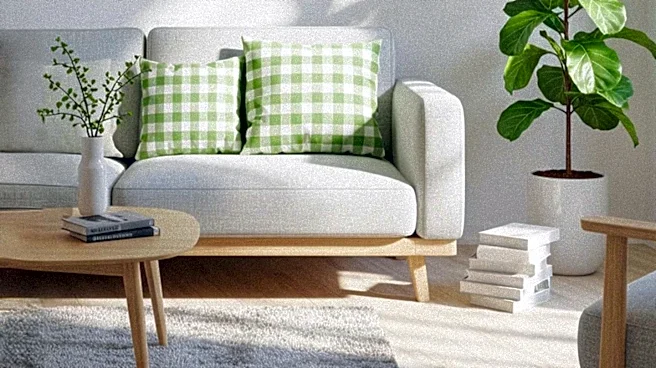
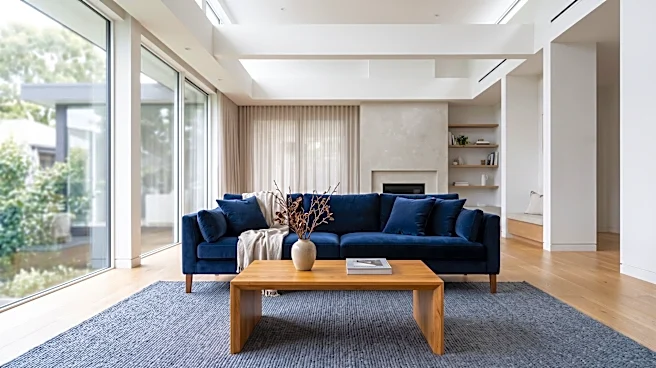
requiring expensive hardware. The platform is designed to quickly and affordably visualize rooms that do not yet physically exist, allowing users to test color palettes and furniture layouts before styling a physical space. MyArchitectAI also features a style transfer capability, which applies the aesthetic of a reference image while maintaining the input geometry. This tool is particularly useful for pitching design concepts to clients before a room is built or photographed, offering 10 free renders to new users.
Why It's Important?
MyArchitectAI's rapid rendering capabilities are significant for the interior design and architecture industries, particularly for professionals and clients in the U.S. The ability to generate photorealistic visualizations quickly and affordably democratizes access to high-quality design presentations. This can lead to faster project approvals, reduced design iterations, and improved client communication, as stakeholders can clearly visualize proposed designs. For designers, it means more efficient workflows and the capacity to take on more projects. For clients, it offers a clearer understanding of the final product, minimizing misunderstandings and potential dissatisfaction. The low barrier to entry, with no need for specialized hardware, makes advanced visualization accessible to a broader market, including small businesses and independent designers.
What's Next?
The trend towards AI-powered, accessible visualization tools like MyArchitectAI is expected to continue growing. Future developments may include more sophisticated AI algorithms that can interpret complex design instructions, generate multiple design options based on user preferences, and integrate with other design software seamlessly. As these tools become more prevalent, they could influence educational curricula for aspiring designers, emphasizing digital visualization skills. The market for virtual staging and pre-construction visualization is likely to expand, with AI tools becoming standard practice for real estate listings and architectural presentations. This could also lead to increased competition among AI rendering providers, driving further innovation and potentially lower costs for users.
Beyond the Headlines
The integration of AI rendering into interior design, as offered by MyArchitectAI, highlights a broader shift in how creative industries approach visualization and prototyping. While these tools offer immense benefits in terms of speed and cost, they also raise questions about the authenticity of visual representations. The distinction between a photorealistic render and an actual photograph of a finished space becomes crucial, especially in marketing and portfolio presentations. Designers will need to clearly label renders as visualizations to maintain transparency and manage client expectations. This technological advancement also underscores the evolving role of the designer, moving from solely manual creation to one that involves orchestrating AI tools to achieve desired outcomes, potentially freeing up time for more conceptual and strategic work.