






What's Happening?
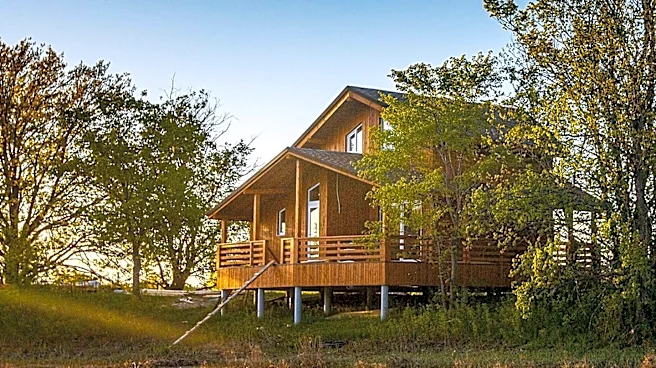
Tiny homes have transitioned from a niche, off-grid lifestyle choice to a mainstream housing option, gaining popularity during the 2008 financial crisis as a cost-effective alternative to traditional homes. Initially seen as a way to live minimally and
reduce debt, tiny homes have become a symbol of sustainable living, often featuring eco-friendly elements like solar power and composting toilets. The movement has been further popularized by television shows and social media, showcasing the adaptability and affordability of these small dwellings. Tiny homes can be detached or attached to existing properties, offering flexible living solutions. Despite their benefits, they come with challenges such as upfront costs for land and zoning fees, and potential maintenance issues due to their mobility.
Why It's Important?
The rise of tiny homes reflects a broader shift towards sustainable and affordable living solutions in the U.S. housing market. As housing costs continue to rise, tiny homes offer a viable alternative for those seeking to minimize expenses and environmental impact. This trend also highlights a growing interest in minimalist lifestyles and the desire for financial freedom. The tiny home movement could influence urban planning and housing policies, encouraging more flexible zoning laws and innovative housing solutions. Additionally, the popularity of tiny homes on social media underscores the cultural shift towards valuing experiences and sustainability over material possessions.
What's Next?
As the tiny home movement continues to grow, it may lead to changes in housing regulations and increased acceptance of alternative living arrangements. Communities specifically designed for tiny homes are emerging, providing infrastructure and support for residents. The trend could also inspire further innovation in sustainable building practices and materials. However, challenges remain, such as ensuring these homes are safe and durable, particularly those on wheels. Stakeholders, including policymakers and developers, may need to address these issues to support the continued growth of the tiny home market.