






What's Happening?
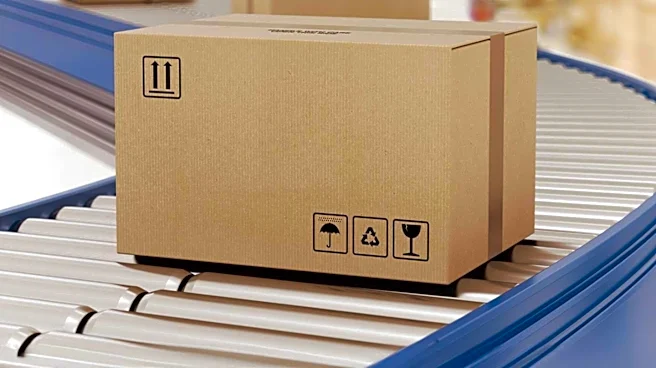
United Parcel Service (UPS) anticipates that nearly 70% of its holiday packages will be processed through automated sorting systems this season. CEO Carol Tomé announced this figure during the third-quarter earnings call on October 27, 2026. This automation
primarily covers sorting and processing within UPS facilities, while drivers will continue to handle deliveries. The company is shifting from a manual scanning network to a 'sensing network' utilizing RFID tags, which are expected to be active at 315 customer locations and process 6 million RFID-labeled packages daily by 2027. This strategic move aims to reduce operational costs, including vehicle rentals and aircraft leases, and minimize the need for temporary workers during peak seasons. UPS intentionally reduced package volume, particularly from its largest customer, Amazon, leading to a projected 1.3% year-over-year decrease in total fourth-quarter daily volume, despite an expected 25% increase from Q3 to Q4 due to seasonal demand.
Why It's Important?
UPS's aggressive push towards automation and its deliberate reduction in package volume, especially from major clients like Amazon, signals a significant shift in its business strategy. This approach prioritizes higher profit margins over sheer volume, aiming to improve financial performance despite a potential decrease in overall shipments. The success of this strategy could set a new precedent for the logistics industry, influencing how other major carriers manage peak season demands and operational costs. For investors, the focus on a 10.5% U.S. Domestic margin target for Q4 is critical, especially given the company's 6.21% dividend yield and tight dividend coverage. If UPS achieves its margin goals and maintains its lead in on-time delivery, it could validate the automation-driven, margin-focused model. Conversely, failure to meet these targets could raise concerns about the sustainability of its dividend and its competitive position in the market.
What's Next?
The upcoming fourth-quarter earnings report will be a crucial indicator of the success of UPS's new strategy. Investors will closely monitor whether the U.S. Domestic margin approaches the targeted 10.5% and if the company maintains its strong record in peak on-time delivery. The market's reaction to these results will determine if the 'less volume, better margins' thesis holds. A close below $90.84 for the stock price would suggest investor skepticism regarding this strategy. Furthermore, the continued rollout of RFID technology and its impact on efficiency and cost reduction will be observed. The logistics industry will also be watching to see if this model, which includes a thinner network and reliance on a smaller group of key customers for peak surge, can withstand unexpected volume fluctuations or operational challenges during its first major test.
Beyond the Headlines
UPS's strategic pivot towards automation and margin optimization has broader implications for the labor market and the future of work in the logistics sector. The 'Driver Choice Program,' which resulted in approximately 1,500 to 1,600 driver exits, along with the closure of certain daily operations at leased and owned buildings, highlights a trend towards reduced human intervention in package handling. This shift could lead to increased efficiency and cost savings for companies but also raises questions about job displacement and the need for workforce retraining in an increasingly automated environment. The reliance on a 'sensing network' and RFID technology also underscores the growing importance of data and advanced technology in supply chain management, potentially leading to more resilient and adaptable logistics systems but also increasing the barrier to entry for smaller competitors.