

What's Happening?
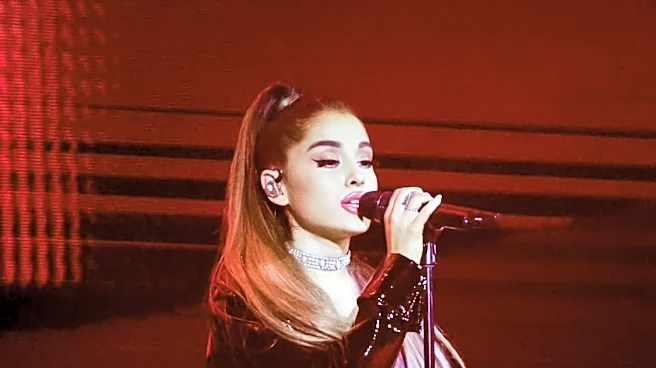
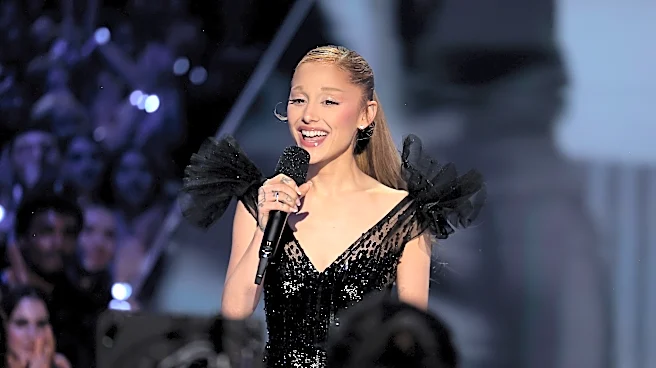
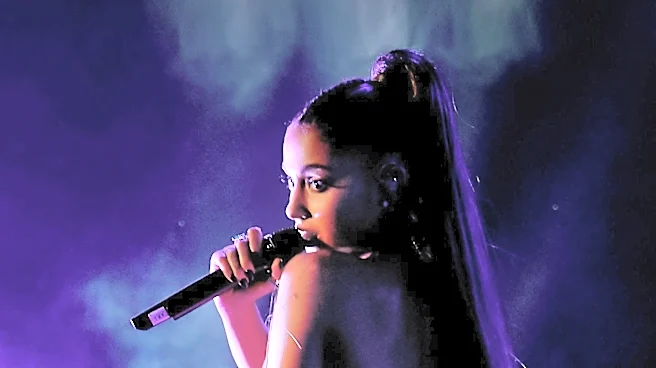
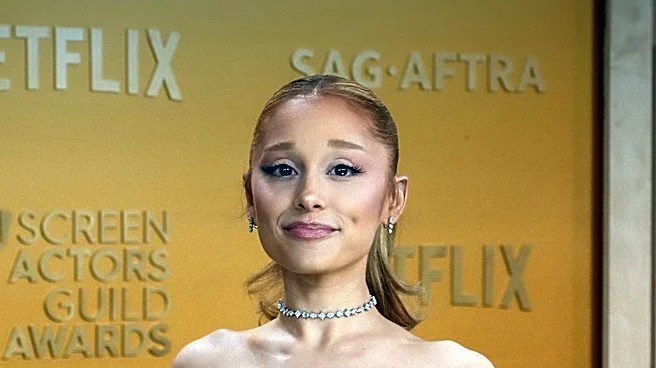
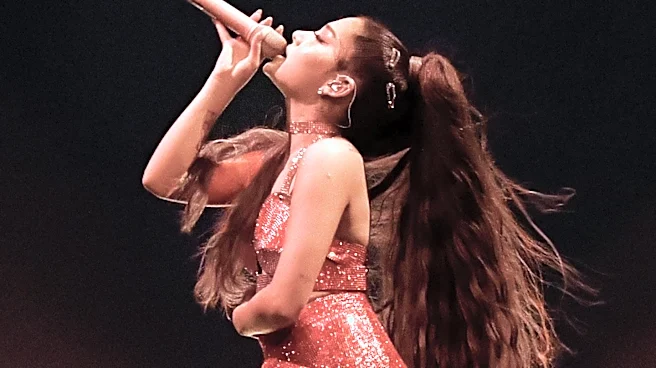
Ariana Grande has publicly addressed the backlash surrounding her music video for the song 'Petal,' drawing parallels between the public's reaction and an episode of the science fiction series 'Black Mirror.' During an appearance on the 'Las Culturistas'
podcast with Bowen Yang and Matt Rogers on November 25, Grande explained that the conversation around the video shifted from its intended artistic message to scrutiny of her physical appearance. The video, released in July, features Grande portraying an aspiring actress named Pepper who faces harsh criticism from Hollywood executives during auditions. This narrative was designed to explore the intense pressures and public judgment experienced by performers in the entertainment industry. Grande noted the irony of receiving similar real-life criticism, especially since the video itself critiques such judgment and public perception. Despite the negative feedback, Grande affirmed her pride in the project and stated she would release the video again without any alterations. She also mentioned that the sonic quality of her album 'Petal' reflects her personal experiences with distorted public perceptions throughout her career.
Why It's Important?
This situation highlights the ongoing challenges artists face in controlling the narrative around their creative works, particularly in the digital age where public interpretation can quickly diverge from artistic intent. Grande's experience underscores the intense scrutiny placed on female artists' physical appearance, often overshadowing their artistic contributions and messages. Her comparison to 'Black Mirror' suggests a broader societal issue where the lines between art, artist, and public perception become blurred, leading to unintended consequences and misinterpretations. For the entertainment industry, this event serves as a reminder of the double-edged sword of public engagement: while it can amplify reach, it also opens artists to immediate and often harsh judgment. Grande's steadfast defense of her work also reinforces the importance of artistic integrity and resilience in the face of public pressure, potentially inspiring other artists to stand by their creative visions despite criticism.
What's Next?
Following Grande's public defense, the conversation around the 'Petal' music video may shift, potentially encouraging a re-evaluation of its artistic merits rather than solely focusing on superficial critiques. Fans and critics might revisit the video with a new perspective, considering Grande's stated intentions and the thematic parallels she drew. This public statement could also spark broader discussions within the entertainment industry and among media consumers about the nature of criticism, body shaming, and the responsibility of audiences in interpreting artistic works. Other artists facing similar scrutiny might draw inspiration from Grande's stance, leading to more open dialogues about the pressures of fame and public image. The incident may also influence how future music videos are conceptualized and promoted, with artists and their teams potentially anticipating and preempting misinterpretations more proactively.
Beyond the Headlines
The controversy surrounding Ariana Grande's 'Petal' music video delves into deeper societal issues concerning media literacy and the consumption of art. It exposes a cultural tendency to prioritize superficial aspects, such as physical appearance, over the substantive messages or artistic intent behind creative works. This phenomenon is exacerbated by social media, where immediate reactions often take precedence over thoughtful analysis. Ethically, the situation raises questions about the responsibility of the audience to engage with art critically and empathetically, rather than resorting to reductive or personal attacks. Legally, while artists have freedom of expression, the public's right to critique often blurs into online harassment, highlighting the ongoing struggle to define boundaries in digital discourse. Culturally, this incident reflects a broader pattern of objectification and unrealistic beauty standards imposed on public figures, particularly women, underscoring the persistent challenges in achieving genuine artistic appreciation free from societal biases.