









What's Happening?
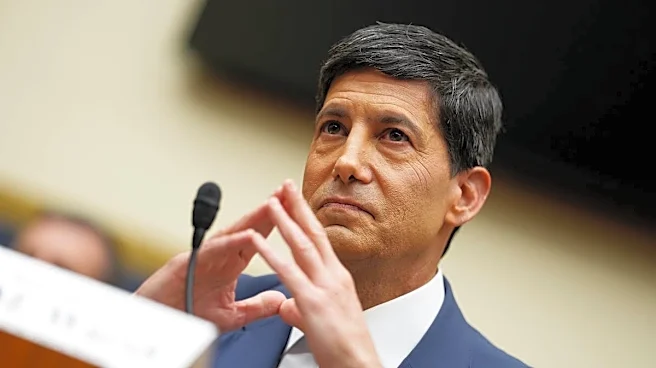
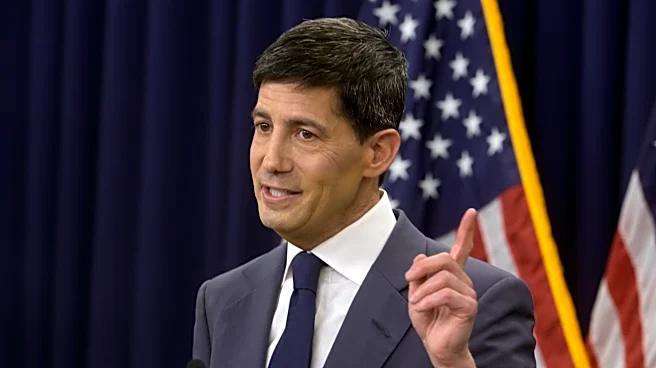
Federal Reserve Chairman Kevin Warsh testified before Congress, emphasizing the central bank's commitment to maintaining a 2% inflation target. Warsh assured lawmakers that the Federal Reserve has 'no tolerance for persistently elevated inflation' and
is determined to address the inflation surge experienced over the past five years. Despite recent data showing a cooling in inflation rates, Warsh cautioned against complacency, stating that the central bank's focus remains on achieving stable price changes. His testimony comes amid ongoing discussions about interest rate policies, with Warsh indicating that rates may remain elevated to ensure inflation is kept in check.
Why It's Important?
Warsh's testimony highlights the Federal Reserve's ongoing efforts to manage inflation and stabilize the economy. The commitment to a 2% inflation target is crucial for maintaining consumer confidence and ensuring economic stability. By signaling a willingness to keep interest rates elevated, the Federal Reserve aims to prevent inflation from becoming entrenched, which could have adverse effects on the economy. Warsh's remarks also underscore the potential for tension between the Federal Reserve and President Trump, who has previously advocated for lower interest rates. The central bank's stance is likely to influence financial markets and impact economic stakeholders, including businesses and consumers.
What's Next?
The Federal Reserve's approach to managing inflation and interest rates will continue to be closely monitored by lawmakers, financial markets, and economic stakeholders. As the central bank evaluates economic data and adjusts its policies, potential rate hikes may be considered if inflationary pressures persist. Warsh's commitment to following the law and data-driven decision-making suggests that the Federal Reserve will remain focused on its inflation target, regardless of external pressures. The evolving economic landscape and the central bank's policy decisions will have significant implications for the U.S. economy, influencing investment strategies, consumer spending, and overall economic growth.