

What's Happening?
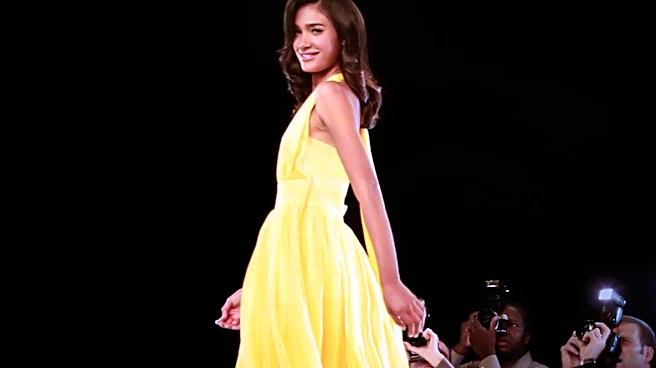
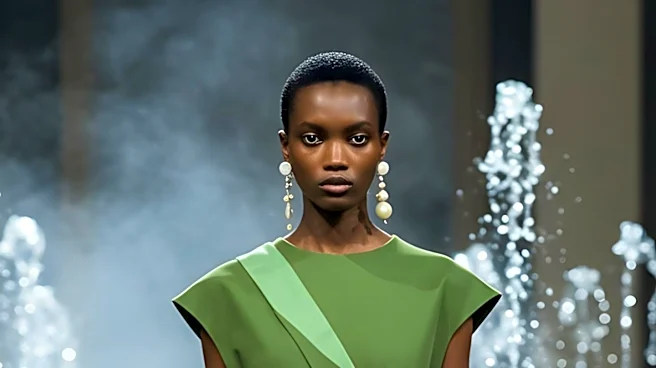
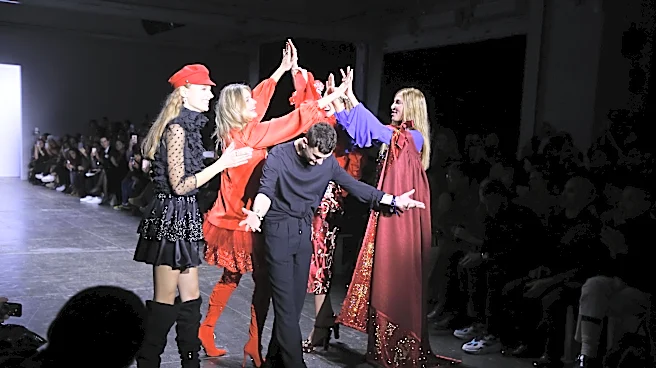
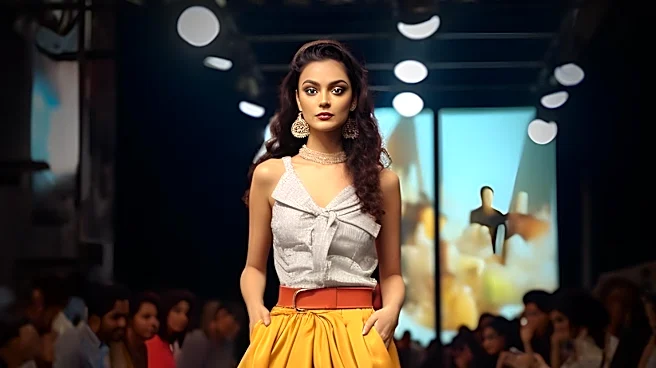
New York Fashion Week (NYFW), a prominent fashion media event, is scheduled to occur twice annually, specifically in February and September. These events are designed to showcase the latest collections from renowned designers and attract a global audience
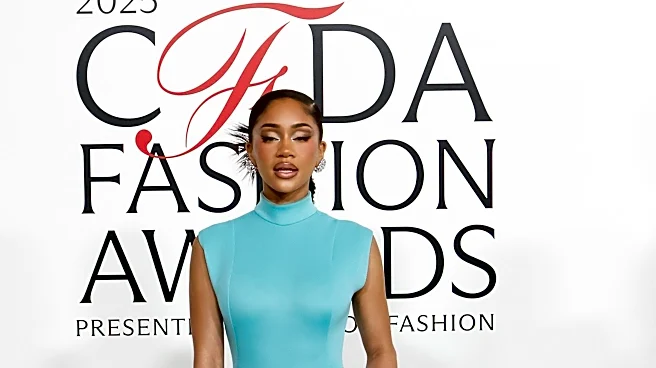
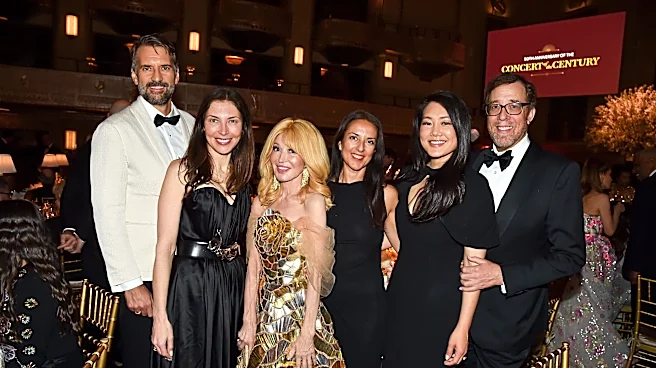
of industry professionals, influencers, and fashion enthusiasts. NYFW features a series of runway shows, presentations, and after-parties, drawing extensive coverage from top-tier fashion media. Beyond NYFW, New York City also hosts other significant fashion events such as the Met Gala, held on the first Monday in May, and the Fashion Media Awards, typically in September. These events collectively highlight New York's status as a major fashion capital, offering opportunities for networking, trend insights, and celebrating achievements within the fashion industry.
Why It's Important?
The consistent staging of New York Fashion Week in February and September is crucial for the U.S. fashion industry, serving as a vital platform for designers to present new collections and set global trends. This bi-annual event significantly impacts the retail sector by influencing consumer demand and purchasing decisions for upcoming seasons. For businesses, NYFW provides unparalleled networking opportunities, fostering collaborations between designers, brands, and media outlets. The event also generates substantial economic activity through tourism, hospitality, and related services. Furthermore, the media coverage surrounding NYFW, including the Met Gala and Fashion Media Awards, shapes public perception of fashion, influences cultural narratives, and highlights the work of fashion journalists and digital content creators, thereby reinforcing New York City's role as a global fashion leader.
What's Next?
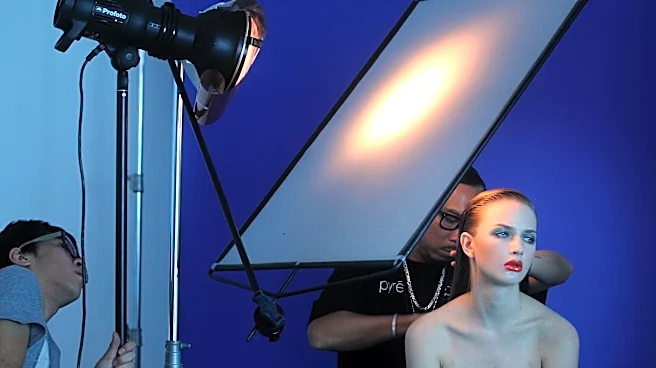
Casting calls for New York Fashion Week shows typically commence months in advance, with November being the start for February shows and July for September shows. This early preparation underscores the extensive planning and coordination required for such large-scale events. Industry professionals and aspiring models will be engaging in these casting processes to secure their participation. Following the events, the fashion media will disseminate trends and analyses, influencing fashion discourse and consumer choices for the subsequent seasons. The continued cycle of these events ensures a steady flow of innovation and commercial activity within the fashion industry, with future dates already set for the upcoming February and September editions.
Beyond the Headlines
The recurring nature of New York Fashion Week and other major fashion events in the city reflects deeper cultural and economic implications. These events are not merely about showcasing clothes; they are significant cultural phenomena that influence art, design, and societal aesthetics. They serve as a barometer for creative innovation and economic health within the fashion sector. The emphasis on networking and media coverage highlights the evolving landscape of influence, where digital content creators and social media play an increasingly critical role alongside traditional fashion journalism. The continuous cycle of these events also underscores the fast-paced, demanding nature of the fashion industry, where designers and brands are constantly under pressure to innovate and capture public attention.