




What's Happening?
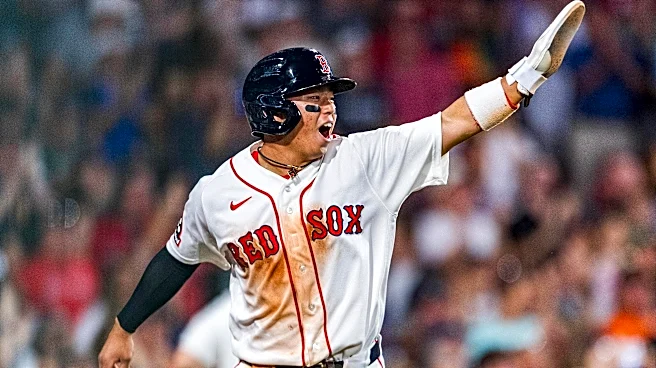
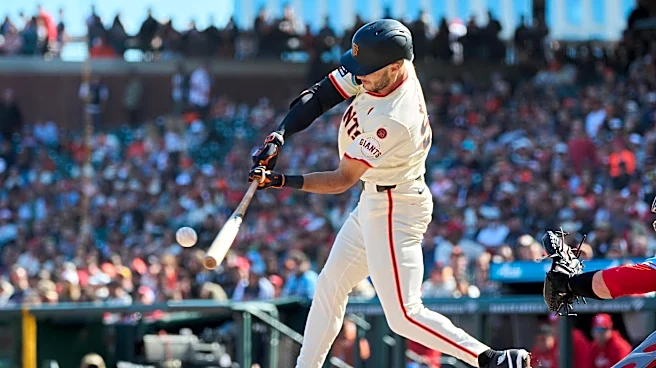
The Boston Red Sox have initiated a series of roster adjustments, including trading infielder Tsung-Che Cheng to the Detroit Tigers for cash considerations and Nate Eaton to the Athletics for minor league pitcher Jareth Rayo. These moves are part of the Red Sox's
effort to manage their 40-man roster, which requires trimming down within five days of the World Series conclusion. The team faced a significant challenge entering the offseason, needing to clear seven spots due to numerous players on the 60-day Injured List. The departure of Patrick Sandoval and Isiah Kiner-Falefa to free agency, combined with these recent trades, has helped clear four of the necessary spots. The Red Sox anticipate clearing another spot if Sonny Gray's mutual option is declined, leaving two more spots to be addressed.
Why It's Important?
These roster transactions are crucial for the Boston Red Sox as they navigate the complexities of Major League Baseball's 40-man roster rules. The need to clear spots is directly linked to players returning from the 60-day Injured List, which mandates their reactivation to the 40-man roster. By trading players like Tsung-Che Cheng, who had limited big-league experience and a crowded path to playing time in Boston's middle infield, the Red Sox are strategically creating flexibility. This allows them to protect other prospects, sign new players, or make further trades without exceeding the roster limit. The decisions reflect a proactive approach to team building and resource management, ensuring compliance with league rules while optimizing the team's future competitive position. For players like Cheng, these trades offer new opportunities for playing time in different organizations.
What's Next?
The Boston Red Sox still need to clear additional spots on their 40-man roster. The anticipated decline of Sonny Gray's mutual option would free up one more spot, leaving two remaining. The team will likely continue to explore options such as additional trades, non-tenders, or outright releases to reach the required roster size. These ongoing adjustments are critical for the Red Sox as they prepare for the upcoming 2027 season, allowing them to finalize their roster and pursue potential free agents or trade targets. The focus will be on balancing immediate needs with long-term player development and organizational depth.
Beyond the Headlines
The strategic management of the 40-man roster highlights a common challenge faced by MLB teams, particularly after seasons with significant injury lists. The Red Sox's actions underscore the continuous evaluation of talent and the difficult decisions involved in maintaining a competitive and compliant roster. Trading a young player like Tsung-Che Cheng, despite his brief stint in the majors, demonstrates the team's commitment to optimizing roster spots for players with clearer pathways to impact the big league club. This process is not just about individual player transactions but reflects a broader organizational strategy to build a sustainable and successful baseball team, often involving tough choices about prospects and veteran players alike.