







What's Happening?
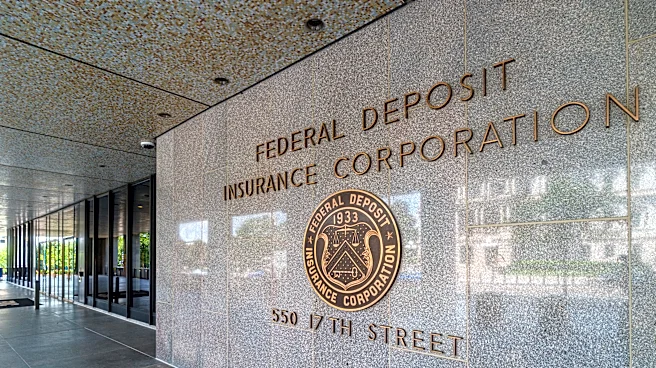
The Federal Deposit Insurance Corporation (FDIC) has proposed a significant change to how deposit insurance is calculated for large banks. The agency plans to rescind 12 C.F.R. part 370 and integrate its requirements into a revised 12 C.F.R. § 360.9 framework.
This proposal aims to shift the responsibility for calculating deposit insurance from the banks' internal systems to the FDIC's own systems. Under the new framework, covered institutions would still need to provide standardized data, but the FDIC would perform the actual insurance calculation. This change is expected to simplify the compliance framework for banks, eliminating the need for them to build, operate, and continuously enhance internal systems for this purpose. The proposal also aims to streamline requirements for certain third-party records, offering banks greater flexibility in managing arrangements with 'alternative recordkeepers' such as broker-dealers or custodial banks. The deadline for public comments on this proposal is January 4, 2027.
Why It's Important?
This proposed change by the FDIC is important for the U.S. financial industry as it could significantly reduce the compliance burden on large banks. By transferring the deposit insurance calculation responsibility to the FDIC, banks may save substantial resources previously allocated to developing and maintaining complex internal systems. This could lead to operational efficiencies and potentially lower costs for these institutions. The simplification of the compliance framework, including the elimination of annual certifications and specific testing regimes under the old Part 370, is a key benefit for banks. While banks will still need robust data aggregation and delivery capabilities, the separation of these functions from the insurance calculation itself represents a meaningful reduction in their regulatory obligations. For 'alternative recordkeepers,' the proposal is primarily a change in the bank's compliance framework rather than a new direct regulatory mandate, though they will still need to ensure their records are accurate and can be mapped to the FDIC's proposed Appendix I data format in the event of a bank failure.
What's Next?
The proposed framework is currently open for public comments until January 4, 2027. Following this period, the FDIC will review the feedback and may make adjustments before finalizing the rule. If adopted, large banks will need to adapt their data management and reporting systems to align with the new requirements, focusing on providing standardized data to the FDIC rather than performing the insurance calculations themselves. 'Alternative recordkeepers' will need to ensure their beneficial-owner records are accurate and compatible with the proposed Appendix I data format to facilitate prompt deposit insurance determinations in the event of a covered institution's failure. The FDIC's goal is to create a more streamlined and efficient process for deposit insurance determinations, which could enhance financial stability and public confidence in the banking system.
Beyond the Headlines
The FDIC's proposal reflects a broader trend towards leveraging technology and data standardization to enhance regulatory oversight and reduce operational complexities within the financial sector. By centralizing the deposit insurance calculation, the FDIC aims to improve its own efficiency in handling bank failures, ensuring quicker access to insured funds for depositors. This move could also lead to a more consistent application of deposit insurance rules across different institutions. The emphasis on standardized data submission highlights the increasing importance of data quality and interoperability in financial regulation. While the immediate impact is on large banks and their recordkeeping, the long-term implications could include a more resilient deposit insurance system and potentially influence how other regulatory bodies approach data-driven oversight in the future. The proposal also underscores the ongoing effort to balance regulatory effectiveness with minimizing the compliance burden on financial institutions.