





What's Happening?
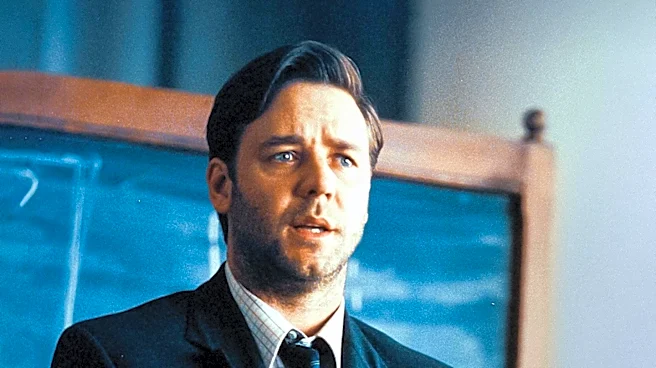
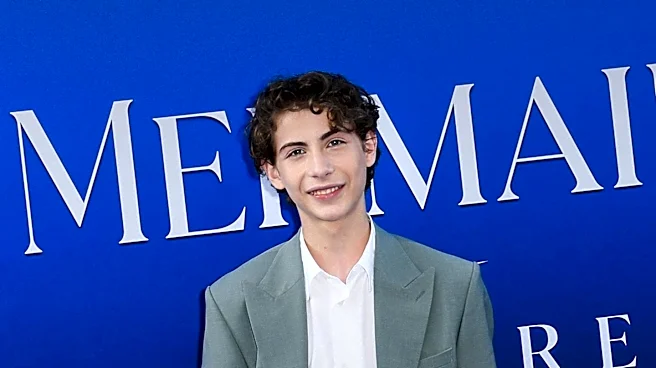
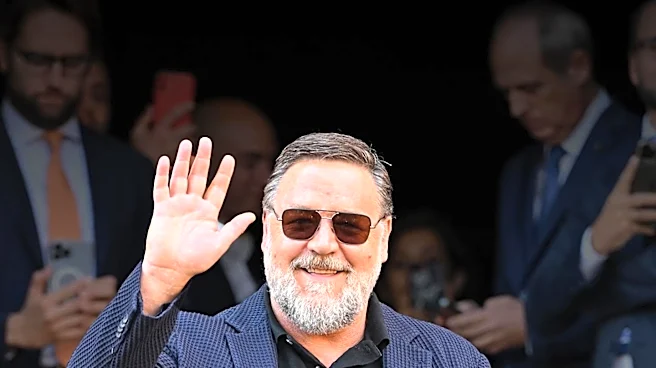
Netflix is set to release a film about the infamous Unabomber, Theodore Kaczynski, with a star-studded cast including Russell Crowe, Jacob Tremblay, and Shailene Woodley. The film, directed by Janus Metz Pedersen, explores Kaczynski's life, focusing on
his early years at Harvard and the psychological experiments conducted by Professor Henry Murray, played by Crowe. These experiments are linked to the controversial MK Ultra project, which allegedly contributed to Kaczynski's radicalization and subsequent bombing campaign. The film aims to provide a nuanced portrayal of Kaczynski's transformation into one of America's most notorious criminals.
Why It's Important?
The film sheds light on a significant chapter in U.S. history, exploring the ethical implications of psychological experiments and their potential impact on individuals. By dramatizing Kaczynski's story, the film may reignite discussions about the balance between scientific research and ethical responsibility. It also highlights the role of media and entertainment in shaping public perception of historical events. The involvement of high-profile actors like Russell Crowe and the film's release on a major platform like Netflix ensure wide visibility, potentially influencing public discourse on related issues such as mental health, privacy, and government accountability.
What's Next?
The film is scheduled for release on September 25, 2026, and is expected to generate significant interest and debate. Viewers and critics will likely scrutinize its portrayal of historical events and characters, potentially leading to renewed discussions about the ethical boundaries of psychological research. The film's reception could influence future projects exploring similar themes, as well as public and academic discourse on the legacy of the Unabomber and related government programs. The release may also prompt further examination of the impact of media portrayals on public understanding of complex historical issues.