





What's Happening?
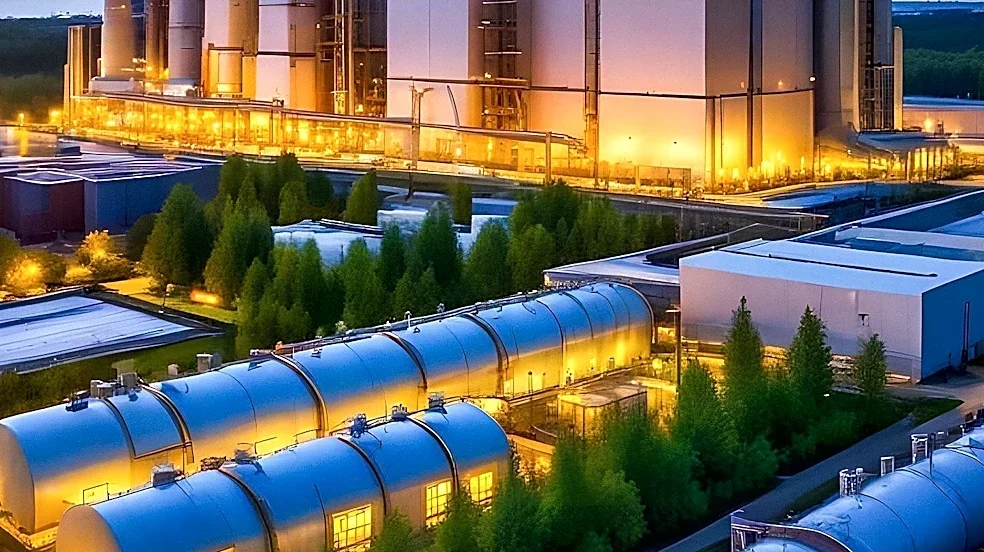
Entergy is pursuing expedited regulatory approval to construct additional gas-fired power plants in Richland Parish, Louisiana. These plants are intended to supply electricity to Meta's Hyperion supercluster, a proposed AI data center in the region. Meta plans
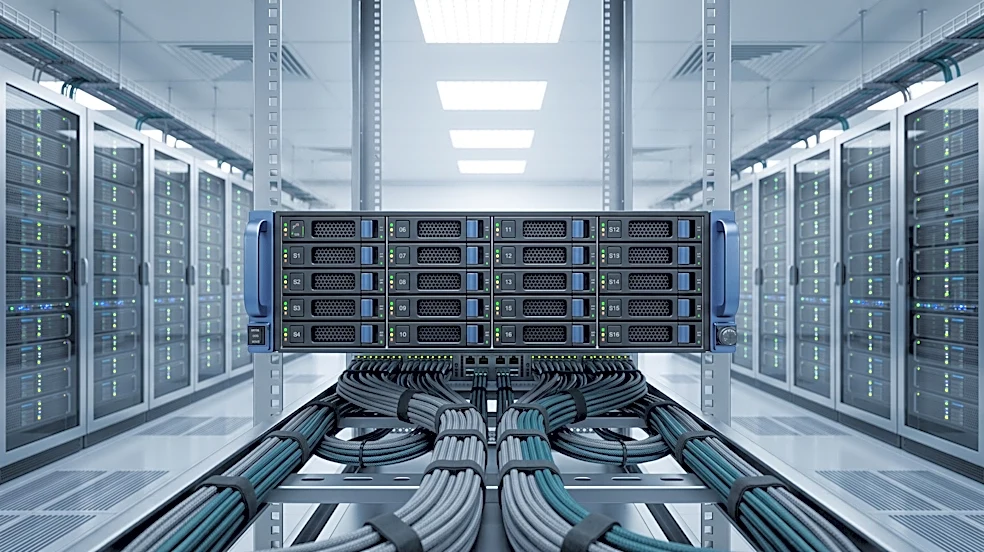
to leverage operational expertise gained from its Prometheus supercomputing center in New Albany, Ohio, for the Hyperion project. The Hyperion facility is being designed with advanced features including closed-loop liquid cooling, next-generation networking, and full grid connectivity through Entergy. Meta's Prometheus supercluster, which has completed its first phase, aims for a capacity of approximately one million GPUs and has already been used to train the company's Muse family of foundation models. The company has focused on reliability, reducing training interruptions significantly and achieving high 'goodput' rates for AI training workloads. Prometheus currently utilizes NVIDIA's GB200 and GB300 NVL72 platforms and plans to integrate NVIDIA's next-generation Vera Rubin NVL72 hardware.
Why It's Important?
This development highlights the escalating energy demands of advanced AI infrastructure and the critical role of utility providers in supporting the expansion of major technology companies. Meta's investment in large-scale AI superclusters like Hyperion signifies a significant commitment to developing more sophisticated AI models, which could have far-reaching implications for various industries and technological advancements. The need for expedited approval for power generation facilities underscores the urgency and scale of these AI projects. For Entergy, securing this contract positions it as a key partner in the burgeoning AI sector, potentially leading to substantial revenue and infrastructure development in Louisiana. However, the reliance on additional gas plants also raises questions about environmental impact and the energy transition, as AI's growing power consumption could strain existing grids and necessitate new generation sources, potentially impacting local communities and energy policies.
What's Next?
Entergy will proceed with its request for expedited approval for the gas plants, which will be subject to regulatory review. If approved, construction of these power facilities will commence to support Meta's Hyperion supercluster in Richland Parish. Meta will continue to apply engineering insights from its Prometheus project to Hyperion, focusing on power management frameworks like Dynamo Dimmer to handle significant power fluctuations inherent in AI training. The company also plans to integrate NVIDIA's next-generation Vera Rubin NVL72 hardware into its expanding supercluster infrastructure. The success and timeline of these projects will depend on regulatory decisions, construction progress, and the continued evolution of AI technology and its associated energy requirements. This could set a precedent for how large-scale AI data centers are powered in the U.S., potentially influencing future energy infrastructure development and regulatory processes.
Beyond the Headlines
The push for expedited approval for gas plants to power AI data centers reveals a broader tension between rapid technological advancement and environmental sustainability goals. As AI models become more complex and require immense computational power, the energy footprint of these technologies is growing exponentially. This situation could lead to increased pressure on energy grids and a potential resurgence in demand for traditional energy sources, even as there's a global push towards renewable energy. The development also highlights the strategic importance of reliable and scalable power infrastructure for national technological competitiveness. Furthermore, the integration of advanced cooling systems and power management frameworks within these data centers points to an evolving landscape where energy efficiency and sustainability are becoming integral to AI infrastructure design, even if the primary power source remains fossil fuel-based. This could spur innovation in energy management and cooling technologies within the data center industry.