




What's Happening?
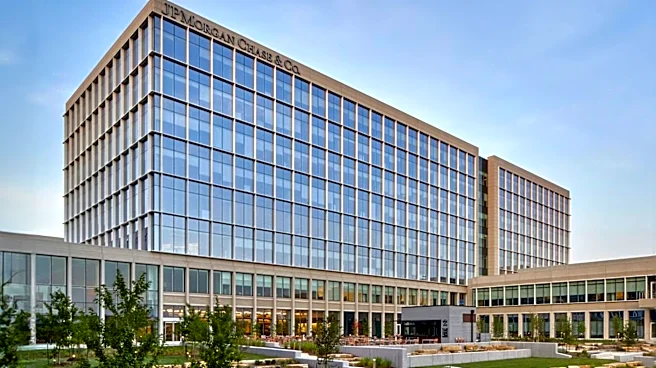
JPMorgan Chase Bank, N.A. played a crucial role in financing the expansion of the Coastal Alabama Farmers and Fishermens Market in Foley, Alabama. The market, which serves as a community gathering place and an incubator for local businesses, was developed
using the New Markets Tax Credit funding mechanism. Mayor Ralph Hellmich of Foley, AL, highlighted JPMorgan Chase's partnership in making the market a reality. The market supports local farmers and fishermen, providing a venue for them to sell their produce and goods directly to the community. Kevin Johnson, owner and grower of Knievil Farms, is one of the local farmers who benefits from the market, using it as his primary sales outlet. The market has become a significant part of the community, attracting regulars who travel long distances to purchase fresh produce.
Why It's Important?
This initiative by JPMorgan Chase demonstrates how financial institutions can contribute to local economic development and community building through strategic investments. The use of the New Markets Tax Credit is particularly significant, as it encourages private sector investment in low-income communities. By financing projects like the Foley Farmers Market, JPMorgan Chase helps create sustainable economic opportunities for small businesses and farmers, fostering local entrepreneurship and job creation. The market not only provides a platform for direct sales but also acts as an incubator, allowing vendors to grow their businesses and potentially expand into other ventures. This model strengthens local food systems, provides fresh produce to residents, and enhances community cohesion, showcasing a tangible impact of financial services beyond traditional banking.
What's Next?
The continued success of the Coastal Alabama Farmers and Fishermens Market, supported by the initial financing from JPMorgan Chase, is expected to further stimulate local economic growth in Foley. As the market continues to thrive, it may attract more vendors and customers, potentially leading to further expansion or the development of similar community-focused initiatives. Local farmers like Kevin Johnson, who are looking to expand their operations, could see increased opportunities for growth and land acquisition, driven by the market's success. The model of using New Markets Tax Credits for community development projects could also serve as a blueprint for other regions seeking to revitalize local economies and support small businesses, potentially encouraging more financial institutions to engage in similar impact banking efforts.
Beyond the Headlines
The involvement of JPMorgan Chase in financing the Foley Farmers Market underscores a broader trend of financial institutions engaging in community development beyond traditional lending. This approach, often termed 'impact banking,' highlights the ethical and social responsibilities of large corporations to contribute to the well-being of the communities they serve. By leveraging financial tools like the New Markets Tax Credit, institutions can address systemic economic disparities and foster inclusive growth. This project also illustrates the cultural significance of farmers' markets as vital community hubs, preserving local agricultural heritage and promoting healthy eating habits. The long-term shift could see more collaborations between the private financial sector and local governments to create sustainable economic ecosystems that benefit both businesses and residents, moving towards a more integrated and socially conscious financial landscape.