



What's Happening?
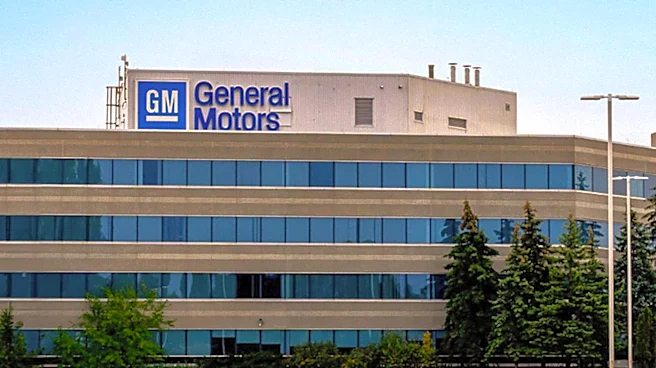
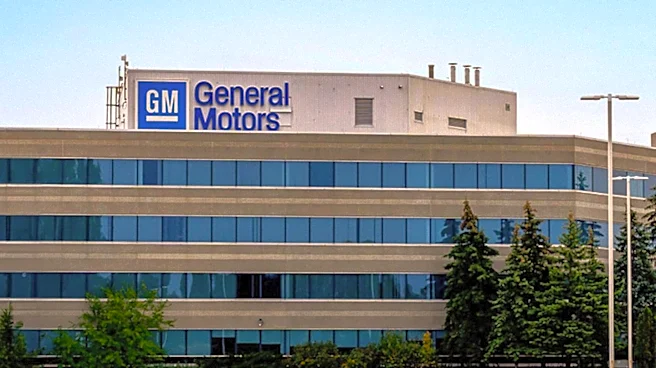
Jason Calacanis, co-host of the All-In podcast, asserts that General Motors (GM) has no future without significant advancements in autonomous driving technology. This statement comes as GM's board is reportedly searching for a successor to CEO Mary Barra,
with a focus on candidates knowledgeable in software and autonomous driving. Sterling Anderson, GM’s global product chief and former head of Tesla's Autopilot, is considered a strong contender. Calacanis previously suggested on X that GM's only viable path was to acquire a company like Rivian, Nuro, or Avride and install its CEO. While GM's current revenue largely stems from trucks and buybacks, with software contributions like OnStar and Super Cruise projected to be less than 2% of expected revenue in 2026, the market values GM at 5.7x forward earnings, consistent with a traditional carmaker. The board's interest in a CEO with self-driving expertise indicates a strategic shift to elevate GM's market valuation.
Why It's Important?
Calacanis's strong stance highlights a critical juncture for traditional U.S. automotive manufacturers like GM and Ford. The emphasis on autonomous driving as a make-or-break factor underscores the transformative pressure facing the industry. A successful pivot to self-driving technology could significantly alter market valuations, potentially moving these companies from being valued as conventional carmakers to tech-driven entities. Conversely, a failure to innovate in this space could lead to long-term stagnation or decline, as newer, more agile tech companies gain market share. The potential leadership change at GM, prioritizing software and autonomy expertise, signals a recognition at the highest levels of the necessity for this technological shift. This strategic direction could impact thousands of jobs, supply chains, and the competitive landscape of the U.S. automotive sector, influencing investment flows and technological development across the nation.
What's Next?
GM's board is actively considering both internal candidates, such as CFO Paul Jacobson and Sterling Anderson, and external candidates for the CEO position. The company aims to introduce a Cadillac with hands-off, eyes-off driving capabilities by 2028, a target year also shared by Ford for its BlueCruise technology. GM's capital spending plans, which were previously reduced after discontinuing its Cruise robotaxi unit, will need to accommodate a renewed push into self-driving technology. The upcoming 2027 outlook, expected with fourth-quarter results in late January, will provide further insight into GM's financial health and its commitment to autonomous vehicle development. This outlook will reveal whether the company's traditional truck sales continue to carry the financial load or if significant capital is being allocated to achieve its 2028 autonomy goals, indicating the board's seriousness about this strategic direction.
Beyond the Headlines
The debate surrounding GM's future and the imperative for autonomous driving extends beyond mere technological adoption; it touches upon the very identity and survival of legacy U.S. industrial giants in an era of rapid technological disruption. The shift from manufacturing-centric operations to software and AI-driven services presents profound challenges in corporate culture, workforce retraining, and investor perception. The valuation gap between traditional automakers and tech companies, as highlighted by Calacanis, reflects a broader market sentiment that prioritizes innovation and future growth potential over established revenue streams. This situation could trigger a wave of mergers and acquisitions in the automotive and tech sectors, as traditional players seek to acquire necessary expertise and intellectual property, potentially reshaping the U.S. industrial landscape and influencing national economic policy on innovation and competition.