




What's Happening?
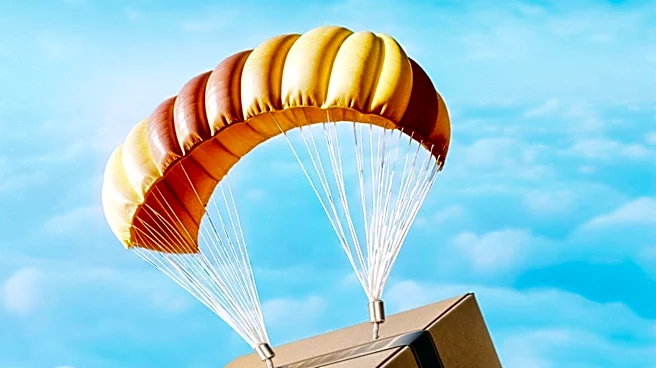
An Amazon drone delivery in Texas resulted in a package being dropped into a customer's swimming pool. Lindsey Austen, the customer, was recording her first drone delivery when the incident occurred. She reported hearing a loud buzzing noise before witnessing
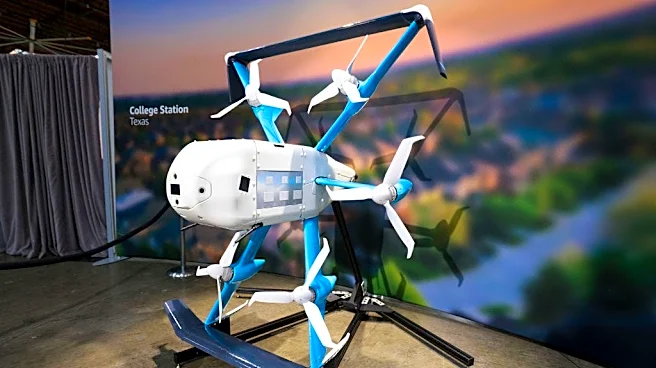
the drone hover over her pool and release the package into the water. Austen expressed her shock and stated that she would not want any more drone deliveries. Amazon has not yet responded to USA TODAY's request for comment regarding the incident. This event comes as Amazon is actively expanding its Prime Air drone delivery service, with plans to reach nearly 500 U.S. cities and towns by the end of 2026. The service currently operates in 11 metro areas, including Phoenix, Tampa, Kansas City, Baton Rouge, Detroit, Omaha, Houston, Dallas, San Antonio, and Waco, Texas, and is set to launch in Chicago, Cleveland, Atlanta, Boise, Idaho, and Syracuse, New York, soon.
Why It's Important?
This incident highlights the ongoing challenges and potential pitfalls associated with the expansion of drone delivery services. While Amazon aims to revolutionize package delivery with its Prime Air service, promising deliveries in as fast as 30 minutes for millions of products, such mishaps can erode consumer confidence and raise questions about the reliability and safety of autonomous delivery systems. For the e-commerce industry, widespread adoption of drone delivery hinges on consistent, error-free service. This event could prompt Amazon to review and refine its drone technology and delivery protocols, especially as it scales up operations across numerous U.S. cities. It also underscores the importance of robust testing and contingency planning in the deployment of new technologies that interact directly with consumers' private property.
What's Next?
Amazon is expected to continue its expansion of the Prime Air drone delivery service, with new launches planned for several metro areas later this year. Following this incident, the company may face increased scrutiny regarding the precision and safety of its drone operations. It is likely that Amazon will conduct an internal investigation into the Texas delivery mishap to understand the cause and implement corrective measures. This could involve software updates, hardware modifications, or adjustments to flight paths and drop-off procedures. Consumer feedback, particularly from those who experience issues, will be crucial in shaping the future development and public perception of drone delivery services. The incident may also spark discussions among regulators about potential standards or guidelines for drone delivery to ensure public safety and property protection.
Beyond the Headlines
The drone delivery incident touches upon broader societal implications concerning the integration of autonomous technology into daily life. It raises questions about privacy, liability, and the psychological impact of machines performing tasks traditionally done by humans. As drones become more common, issues such as accidental damage to property, potential surveillance capabilities, and the noise pollution they generate will become increasingly relevant. This event, though minor, serves as a tangible example of the friction that can arise when cutting-edge technology meets the unpredictable realities of the physical world. It prompts a deeper consideration of the ethical and practical frameworks needed to govern autonomous delivery systems as they become an integral part of the logistics and retail landscape.