


What's Happening?
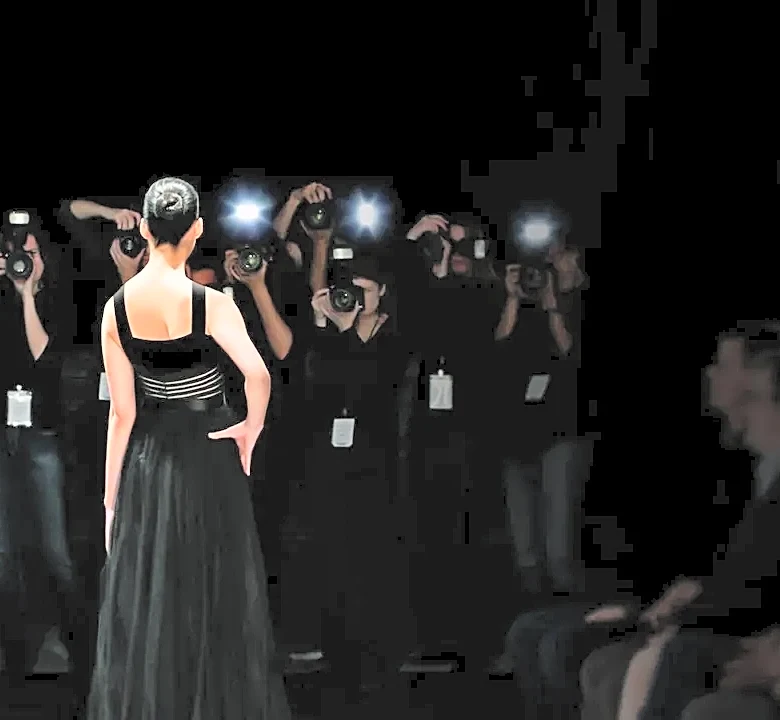
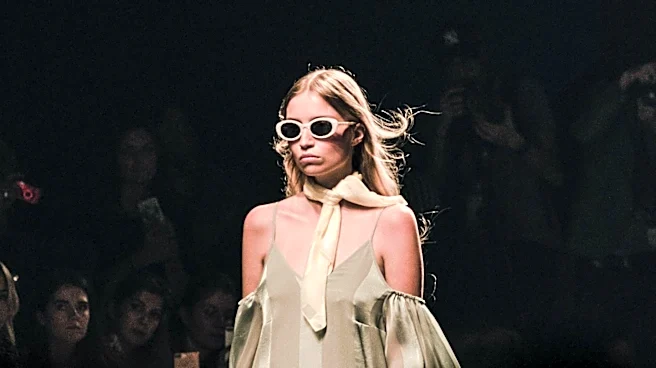
New York Men's Day (NYMD) has announced its 27th event, scheduled for next winter, which will provide a platform for menswear and genderless fashion designers. Founded in 2014 by Erin Hawker, NYMD aims to support emerging designers by offering them an opportunity
to showcase their work without the substantial financial burden typically associated with traditional runway shows. The event occurs every six months, bringing together eight to twelve designers for two-hour group presentations. NYMD covers over 85% of the presentation costs for selected designers, including providing physical space, hair, and make-up teams. This initiative facilitates easier access for editors, buyers, and media to discover new talent and trends in menswear and genderless fashion. The selection committee for this season includes notable figures such as Jian DeLeon, Nordstrom’s men’s fashion and editorial director; stylist Memsor Kamarake; Complex Media editor in chief Aria Hughes; and Grazia editor in chief Joseph Errico. Applications for designers are open until November 6th.
Why It's Important?
This event is significant for the U.S. fashion industry as it champions inclusivity and innovation by actively promoting genderless fashion. By reducing financial barriers, NYMD enables a more diverse range of designers to enter the market, fostering creativity and challenging traditional gender norms in clothing. This support for genderless fashion reflects a broader societal shift towards more fluid expressions of identity, which can influence consumer preferences and retail strategies. For emerging designers, NYMD offers crucial exposure and networking opportunities that can be career-defining, potentially leading to collaborations, increased sales, and wider recognition. The involvement of prominent fashion and media figures on the selection committee further legitimizes these designers and trends, signaling to the industry that genderless fashion is a growing and important segment. This platform also streamlines the discovery process for buyers and media, making it more efficient to identify and invest in new talent and progressive fashion movements.
What's Next?
Following the application deadline on November 6th, the selection committee will choose the designers who will present their collections at the upcoming New York Men's Day event next winter. The selected designers will then prepare their showcases, benefiting from the financial and logistical support provided by NYMD. The event itself will serve as a key moment for fashion industry professionals to observe new trends and talent, particularly in the genderless fashion space. Media coverage and buyer interest generated during NYMD could lead to increased visibility and commercial opportunities for the participating designers. Beyond the immediate event, the continued success and expansion of NYMD could further solidify genderless fashion as a mainstream category within the U.S. market, potentially influencing future fashion weeks and retail offerings. The event's impact will be closely watched by those interested in the evolving landscape of fashion and its intersection with identity.
Beyond the Headlines
The consistent inclusion of genderless fashion at events like New York Men's Day points to a deeper cultural evolution in the U.S. regarding identity and self-expression. This movement challenges long-standing sartorial conventions that have historically dictated clothing choices based on gender. By promoting designs that transcend traditional masculine and feminine categories, NYMD contributes to a more inclusive and accepting society where individuals have greater freedom to express themselves through fashion. This shift has ethical implications, as it supports diversity and reduces the pressure to conform to binary gender presentations. It also has economic ramifications, as brands that embrace genderless fashion may tap into new consumer demographics and foster greater brand loyalty among those who value inclusivity. The long-term impact could be a fundamental reshaping of how clothing is designed, marketed, and consumed, moving towards a more fluid and personalized approach to style that prioritizes individual comfort and identity over rigid gender classifications.