




What's Happening?
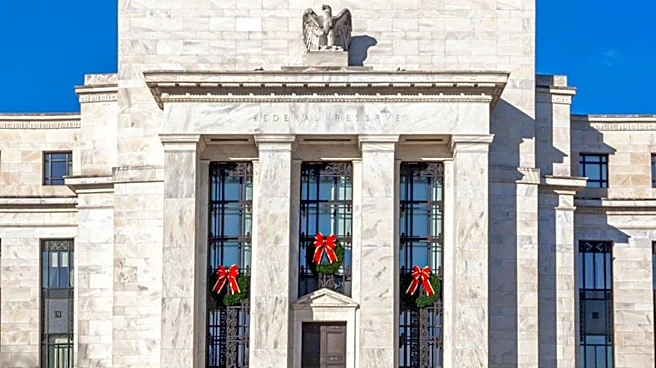
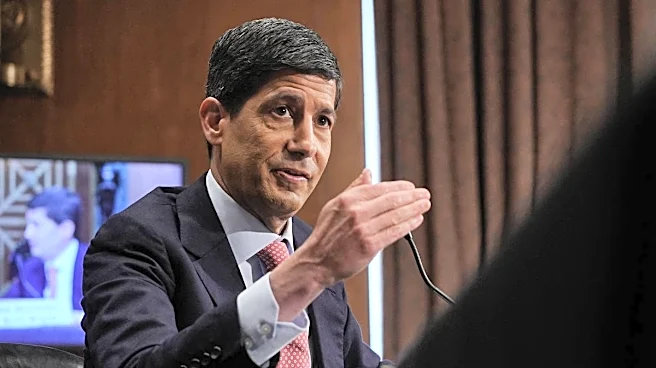
Citadel Securities anticipates that the Federal Reserve will increase interest rates by 25 basis points this week, a move that could strengthen the confidence in Fed Chair Kevin Warsh's commitment to combating inflation. This expectation comes amid market
predictions and reflects a shift away from the Fed's previous reliance on forward guidance. Frank Flight, a strategy manager at Citadel, suggests that if the Fed announces the rate hike on Wednesday, it will further demonstrate Warsh's resolve to stabilize prices. The potential rate hike is seen as a departure from the Fed's past practices of pre-announcing policy adjustments, aiming instead for a more independent policy approach. This change is reminiscent of the era under former Fed Chair Alan Greenspan, where communication with the market was less explicit.
Why It's Important?
The anticipated rate hike by the Federal Reserve is significant as it signals a potential end to the era of forward guidance, which has been a staple of Fed policy communication in recent years. This move could reshape market expectations and influence corporate pricing strategies and wage demands, potentially reducing the need for further tightening measures. The decision also highlights the Fed's independent policy stance, which could impact investor confidence and market stability. Additionally, the ongoing energy price increases could be a critical factor influencing the Fed's decision, as rising costs may necessitate a more aggressive approach to controlling inflation.
What's Next?
If the Fed proceeds with the rate hike, it could lead to a reevaluation of market expectations regarding the Fed's approach to inflation. This decision may also prompt businesses to adjust their pricing and wage strategies in anticipation of tighter monetary conditions. The outcome of the Fed's meeting will be closely watched by investors and policymakers, as it could set the tone for future monetary policy decisions. Furthermore, the Fed's actions may influence global economic conditions, particularly if energy prices continue to rise, adding pressure on inflationary trends.