





What's Happening?
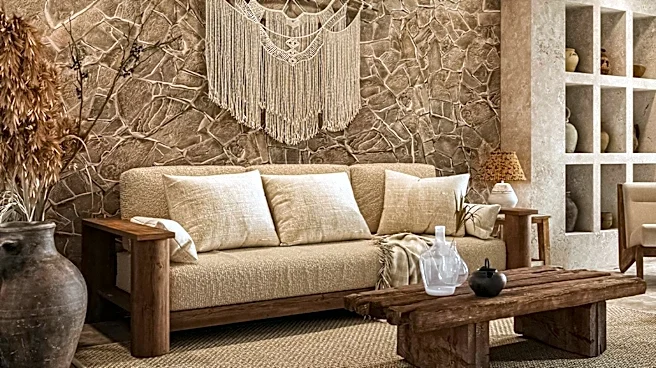
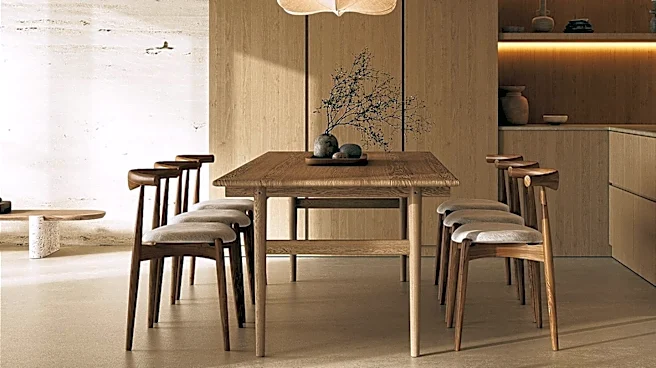
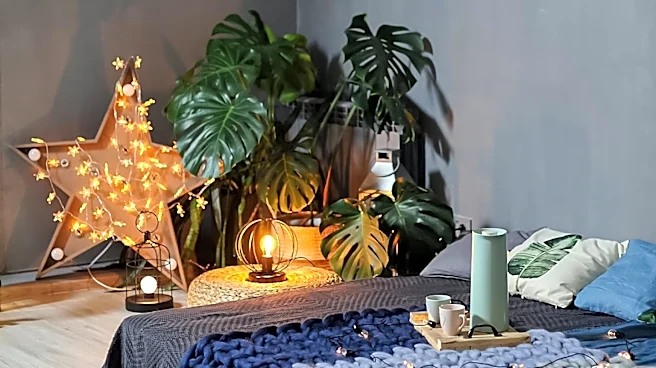
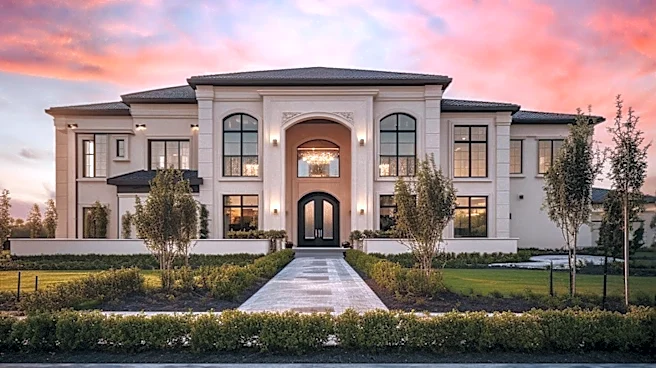
The design of luxury homes is undergoing a significant transformation, moving beyond traditional aesthetics to prioritize health, recovery, and sensory experience. This shift, termed 'wellness architecture,' integrates elements like biophilic design and neuroarchitecture
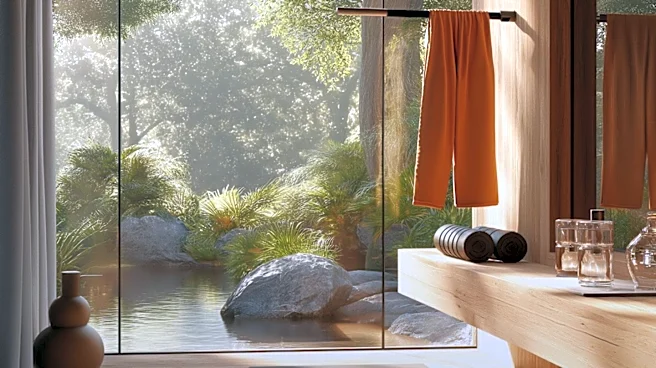
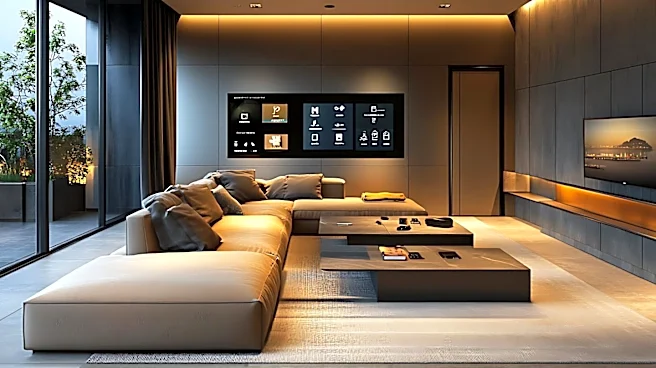
directly into the foundational planning of new constructions and renovations. According to Courtney Lukitsch, founder of the Well Design Summit, homes are now being actively built to shape identity, health, and emotional states through intentional sensory design, nature, light, and materiality. This trend is evident in high-end East End properties, where client conversations now begin with a 'wellness brief' rather than just aesthetic preferences. Features such as circadian lighting systems, hospital-grade air purification, radiant heat flooring throughout the entire home, retractable glass walls, and dedicated spaces for breathwork are becoming standard. The primary bathroom is evolving into a private spa, and natural, low-VOC materials are increasingly expected. The global market valuation for wellness-oriented architecture is projected to reach $6.5 trillion, indicating its growing importance in the real estate sector.
Why It's Important?
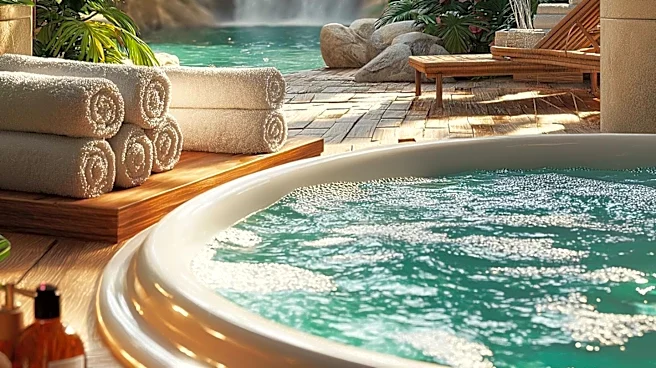
This evolution in architectural design signifies a profound change in consumer priorities, particularly within the luxury real estate market. It reflects a growing awareness and demand for environments that actively contribute to well-being, moving beyond superficial amenities to fundamental design principles. The integration of advanced systems like circadian lighting and hospital-grade air purification highlights a proactive approach to health within the home, potentially setting new standards for residential construction. This trend impacts not only the architectural and construction industries but also manufacturers of building materials, smart home technologies, and wellness products. Companies that adapt to this demand for health-centric design will likely gain a competitive edge, while those that do not may find themselves lagging. The emphasis on recovery infrastructure, such as cold plunge pools and infrared saunas, suggests a broader cultural shift towards incorporating wellness routines into daily home life, influencing consumer spending and lifestyle choices.
What's Next?
The continued growth of wellness architecture is expected to drive further innovation in building materials, smart home technology, and integrated design solutions. Architects and designers will likely need to deepen their understanding of biophilic principles, neuroarchitecture, and advanced environmental control systems to meet evolving client demands. The market will likely see an increase in specialized consultants focusing on wellness integration in residential and commercial projects. Furthermore, as these features become more mainstream in luxury homes, there is potential for trickle-down effects into broader housing markets, making some wellness-oriented elements more accessible. Building codes and certifications may also begin to incorporate more health and wellness criteria, pushing the industry towards more holistic design practices. The focus on 'ownership' of wellness routines, as noted by Austin Laudenslager of Peak Saunas, suggests a future where personal health infrastructure becomes a standard expectation in home design.
Beyond the Headlines
The rise of wellness architecture points to a deeper societal shift in how individuals perceive and interact with their living spaces. It underscores a growing recognition of the profound impact of the built environment on mental and physical health. This trend moves beyond mere comfort or luxury, touching upon ethical considerations in design, such as the use of sustainable and non-toxic materials, and the psychological benefits of natural light and green spaces. It also highlights a potential long-term shift in consumer values, where investment in health and well-being through one's home becomes as crucial as financial or aesthetic considerations. This could lead to a re-evaluation of what constitutes a 'quality of life' in residential settings, fostering a more conscious approach to how spaces are created and inhabited. The integration of advanced wellness technologies also raises questions about data privacy and the potential for homes to become increasingly 'smart' in monitoring and influencing occupant health.