






What's Happening?
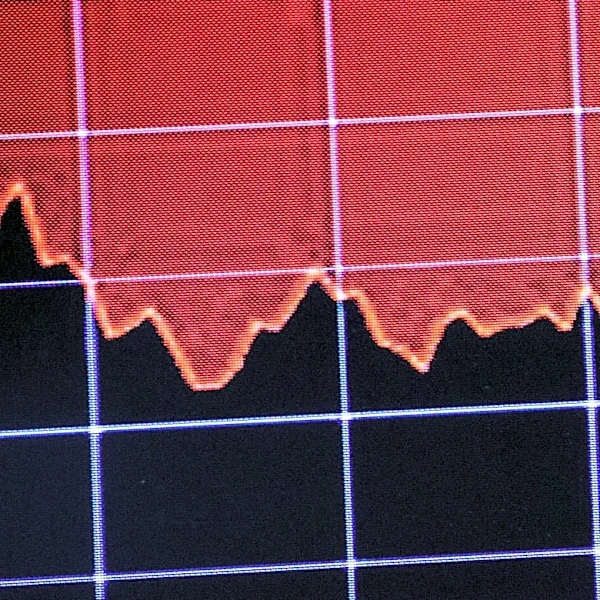
Gold's spot price, its current trading value, is $4,037.72 per ounce as of 9:00 a.m. ET today, according to CNBC's Gold/US Dollar Spot Price. This is slightly lower than Tuesday's price of $4,050.15 per ounce. Gold is widely recognized as a safe-haven
asset, attracting investors during periods of economic and political instability. Its appeal stems from its reliability as a store of value, its ability to hedge against inflation, and its tendency to perform well during market downturns. Despite these advantages, gold does not offer dividends, a characteristic that differentiates it from traditional investments. Investors have various options to include gold in their portfolios, such as purchasing physical gold bullion or coins, opening a gold IRA, or investing in gold exchange-traded funds (ETFs).
Why It's Important?
The current price of gold and its role as a safe-haven asset are particularly important for U.S. investors navigating uncertain economic landscapes. In times of inflation or market volatility, gold provides a tangible asset that can preserve wealth, offering a counterbalance to more volatile investments like stocks. The ability to diversify a portfolio with gold can mitigate risks, especially when traditional financial markets experience downturns. For individuals, the decision to invest in physical gold, a gold IRA, or ETFs depends on their investment goals, risk tolerance, and desire for liquidity. The absence of dividends means that gold's return on investment primarily comes from price appreciation, making it sensitive to market sentiment and economic indicators. Understanding these dynamics is crucial for U.S. investors looking to protect and grow their assets.
What's Next?
Investors interested in gold will continue to monitor economic indicators, geopolitical developments, and central bank policies, as these factors significantly influence gold prices. For those considering physical gold, planning for secure storage and understanding the process of liquidation are essential. Gold IRAs offer tax benefits and secure storage through custodians but come with setup and management fees. Gold ETFs provide an accessible way to invest in gold through brokerage platforms, tracking either bullion prices or shares of mining companies. The choice of investment vehicle will depend on individual preferences for direct ownership, tax advantages, or ease of trading. The ongoing economic environment, including inflation rates and interest rate decisions by the Federal Reserve, will likely dictate the future demand and price movements of gold.
Beyond the Headlines
The enduring appeal of gold as a safe-haven asset reflects a deeper human inclination towards tangible value in times of uncertainty. Beyond its financial utility, gold carries historical and cultural significance as a symbol of wealth and stability. In the modern financial landscape, its role is constantly re-evaluated against new investment opportunities and evolving economic theories. The debate between gold's intrinsic value and its lack of yield highlights a fundamental tension in investment philosophy. As digital assets and new financial instruments emerge, gold's position as a traditional hedge continues to be a subject of discussion, prompting investors to consider its place in a diversified, forward-looking portfolio. The methods of investing in gold, from physical bullion to sophisticated ETFs, also reflect the evolution of financial markets and accessibility for a broader range of investors.