


What's Happening?
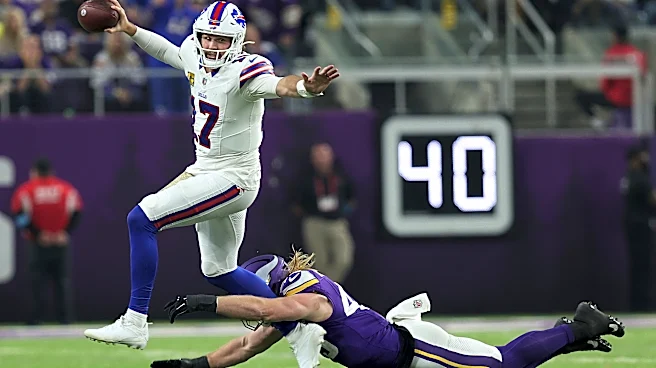
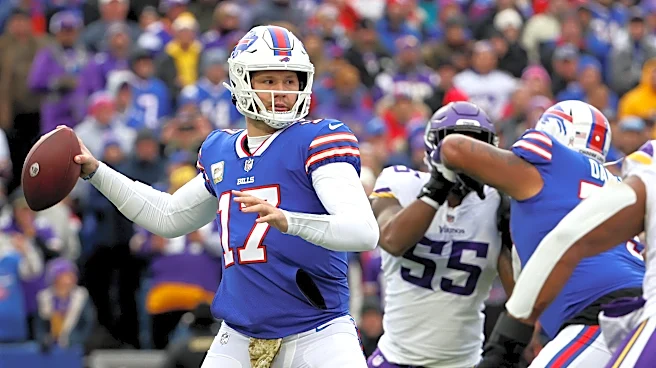
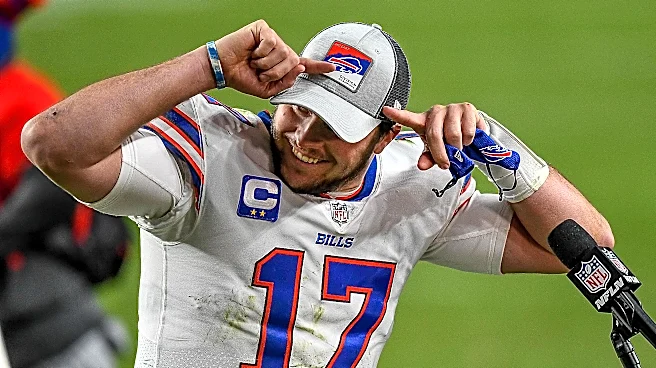
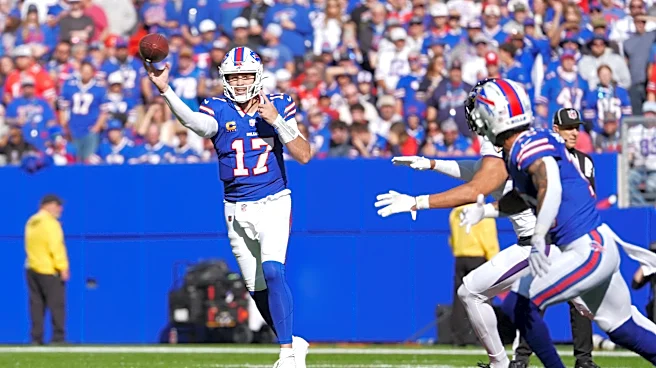
During a live pregame show, Pat McAfee reportedly intervened to prevent Buffalo Bills quarterback Josh Allen from potentially making an inappropriate comment on air. As Allen approached McAfee during a live segment, McAfee repeatedly warned him that they
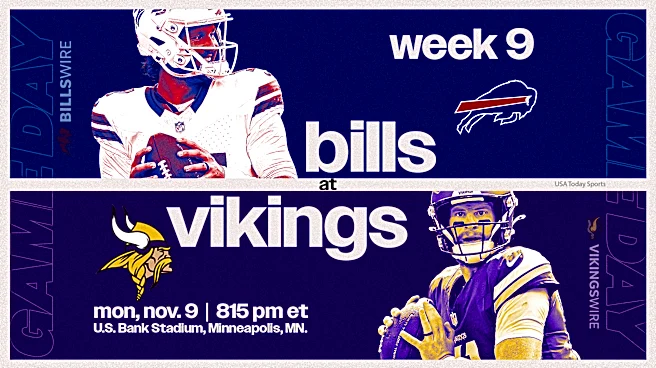
were live on television. This action, described as akin to warning someone they are on speakerphone, was seen as a move to safeguard Allen from a potential public relations misstep. The incident occurred during a Monday Night Football broadcast. While the exact nature of what Allen might have said is unknown, McAfee's quick action suggests he anticipated a remark that could have been deemed offensive or vulgar, thereby averting a possible controversy for the NFL star.
Why It's Important?
This incident highlights the increasing scrutiny and potential pitfalls athletes face in live media environments. In an era where every public statement can be amplified and scrutinized across social media, McAfee's intervention underscores the importance of media training and awareness for high-profile figures like Josh Allen. For athletes, a single misspoken word can lead to significant backlash, damage to personal brand, and even professional repercussions. For broadcasters, it emphasizes the responsibility to manage live segments and protect guests from inadvertent errors. The event also reflects the broader media landscape where 'hot mic' incidents can quickly become viral, impacting public perception and potentially leading to widespread criticism, demonstrating the delicate balance between candidness and caution in live television.
What's Next?
While no immediate consequences are expected for Josh Allen due to McAfee's intervention, the incident serves as a reminder for athletes and media personalities about the constant vigilance required during live broadcasts. It may prompt sports organizations and media outlets to reinforce guidelines for on-air conduct and provide further media training to their talent. For Pat McAfee, this action could further solidify his reputation as a savvy and protective interviewer, capable of navigating the unpredictable nature of live television. The broader implication is a continued emphasis on media literacy and caution for public figures, especially in an environment where digital dissemination of content is instantaneous and far-reaching.
Beyond the Headlines
The event subtly touches upon the evolving relationship between athletes and media, where the lines between professional and personal conduct are increasingly blurred. The expectation for athletes to be authentic and engaging often clashes with the need for them to be polished and controversy-free. This dynamic creates a high-pressure environment where spontaneous interactions can carry significant risk. McAfee's quick thinking also illustrates a form of 'media guardianship,' where experienced broadcasters take on an unofficial role of protecting their guests from the potential pitfalls of live television. This highlights a broader cultural shift where public figures are under constant surveillance, and even minor slip-ups can have disproportionate consequences, leading to a more cautious and curated public persona for many.