







What's Happening?
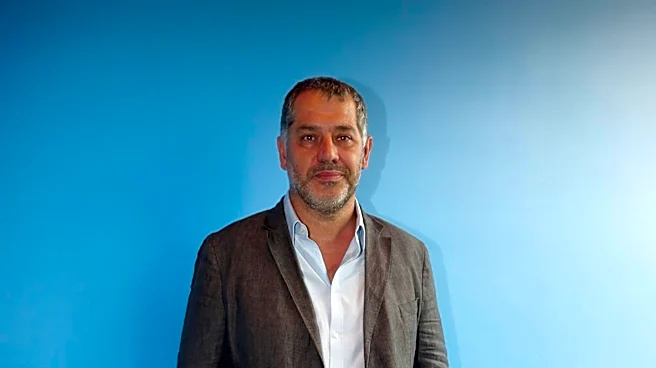
Alex Gorsky, the former CEO of Johnson & Johnson, is now a general partner at ICONIQ and co-founder of Alderline Group. He has participated in a significant investment in Enveda, a clinical-stage biotechnology company that leverages artificial intelligence
for drug discovery. Enveda recently secured a $311 million Series E financing round, which was led by healthcare investor Catalio Capital Management and included technology funds like ICONIQ. This funding has reportedly doubled Enveda's valuation to approximately $2 billion. The Boulder, Colorado-based company plans to use these funds to advance its drug candidates into later-stage human trials. Enveda is part of a growing trend of biotech startups utilizing AI to streamline the early stages of drug discovery, a process traditionally characterized by high costs and extended timelines. According to Enveda Chief Executive Viswa Colluru, PhD, the industry has become proficient at commercializing molecules once identified, but less effective at discovering the right molecules, a gap AI aims to fill by finding answers already present in nature.
Why It's Important?
This investment highlights a significant shift in the U.S. pharmaceutical and biotechnology sectors, emphasizing the increasing role of artificial intelligence in drug discovery. The substantial funding secured by Enveda, with backing from prominent figures like Alex Gorsky, signals growing confidence among investors in AI-driven approaches to medicine. This trend could lead to more efficient and cost-effective drug development, potentially accelerating the availability of new treatments for various diseases. For U.S. industries, this means a potential disruption of traditional R&D models, fostering innovation and competition within the biotech landscape. Companies that fail to adopt AI and other advanced technologies may find themselves at a disadvantage. Economically, successful AI integration in drug discovery could reduce development costs, leading to more affordable medications and potentially boosting the U.S. economy through new job creation in specialized tech and biotech fields. Patients stand to gain from faster access to novel therapies, while investors are looking for high returns from these innovative ventures.
What's Next?
Enveda plans to utilize the recently secured $311 million to fund later-stage human trials for its drug candidates. This move will be a critical test of the efficacy and safety of its AI-discovered medicines, determining their potential for market entry. The success or failure of these trials will significantly influence future investment in AI-driven drug discovery platforms across the U.S. biotechnology sector. Other biotech companies are likely to closely monitor Enveda's progress, potentially accelerating their own adoption of AI technologies if Enveda demonstrates positive outcomes. Furthermore, the increased valuation of Enveda to $2 billion could encourage more venture capital and private equity firms to invest in similar AI biotech startups, fostering a more competitive and innovative environment. Regulatory bodies, such as the FDA, may also need to adapt their evaluation processes to accommodate the unique aspects of AI-discovered drugs, potentially leading to new guidelines or frameworks for approval.
Beyond the Headlines
The involvement of a seasoned pharmaceutical leader like Alex Gorsky in an AI biotech venture underscores a broader strategic pivot within the healthcare industry towards technological innovation. This move suggests a recognition that traditional drug discovery methods are becoming increasingly unsustainable in terms of cost and time. The ethical and societal implications of AI-driven drug discovery are also significant. While AI promises to unlock new therapeutic possibilities, questions may arise regarding the transparency and interpretability of AI algorithms in identifying drug candidates. The long-term shift could see a redefinition of the roles of human scientists and AI in research, potentially leading to a more symbiotic relationship. Moreover, the success of companies like Enveda could influence public policy debates around intellectual property for AI-generated discoveries and the equitable access to these potentially life-saving medications, ensuring that the benefits of these advancements are widely distributed.