





What's Happening?
Adding wild rice to boxed stovetop stuffing is being recommended as a method to enhance both flavor and fiber content. This suggestion comes from a recent observation of a home cook utilizing a Rice-A-Roni wild rice blend in an Italian-style stuffing,
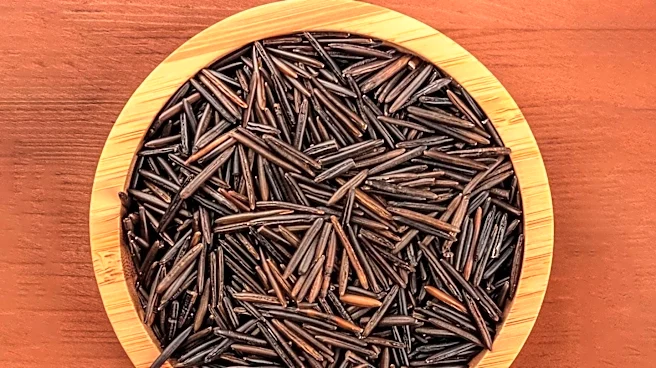
alongside traditional ingredients like sautéed vegetables, Herbes de Provence, and packaged stuffing mix. Wild rice, derived from grasses growing along freshwater marshes, is processed as a grain and offers a nutty, earthy flavor and chewy texture, which can prevent stuffing from becoming mushy. Beyond taste and texture, wild rice is noted for being higher in protein than white rice and contains dietary fiber, contributing to digestive regulation and stable blood sugar. While the four grams of dietary fiber in a box of Rice-A-Roni may not be substantial for an entire pan of stuffing, it represents an added nutritional benefit not present in stuffing without the rice.
Why It's Important?
This culinary tip holds importance for U.S. consumers, particularly during holiday seasons like Thanksgiving, where stuffing is a staple. The recommendation offers a simple and accessible way for home cooks to elevate a common convenience food—boxed stuffing—into a more flavorful and nutritionally beneficial dish. In a society increasingly conscious of health and wellness, incorporating ingredients like wild rice, known for its protein and fiber content, aligns with broader dietary trends. It also provides a practical solution for those seeking to improve the texture of their stuffing, addressing a common complaint of mushiness. For food manufacturers, this trend could signal a demand for more diverse boxed stuffing options or pre-packaged wild rice blends specifically marketed for stuffing enhancement. The emphasis on flavor and fiber also caters to a growing segment of consumers looking for both taste and health benefits in their meal preparations, potentially influencing product development and marketing strategies within the U.S. food industry.
What's Next?
The popularity of such culinary hacks, often disseminated through social media platforms like TikTok, suggests a continued trend of consumers seeking creative ways to customize and improve convenience foods. Food bloggers and culinary influencers may further popularize this and similar ideas, leading to more widespread adoption. Manufacturers of boxed stuffing and rice blends might observe an increase in sales of wild rice products, especially around peak cooking seasons. This could also inspire new product innovations, such as boxed stuffing mixes that already incorporate wild rice or specialized seasoning blends designed to complement it. Additionally, as consumers become more aware of the nutritional benefits, there might be a greater demand for clear labeling of fiber and protein content in convenience food products. The focus on enhancing traditional dishes with healthier components is likely to persist, driving further experimentation and product evolution in the U.S. food market.
Beyond the Headlines
This simple cooking tip reflects a deeper cultural shift in how Americans approach food preparation, balancing convenience with a desire for quality and health. The integration of a 'boxed ingredient' like wild rice into another 'boxed ingredient' like stovetop stuffing highlights a pragmatic approach to cooking that acknowledges modern lifestyles while still valuing homemade taste and nutritional value. It also speaks to the influence of digital platforms in shaping culinary practices, where quick, accessible ideas can rapidly gain traction. Ethically, this trend encourages a more mindful approach to even highly processed foods, suggesting that small additions can significantly improve a dish's profile. Culturally, it reinforces the idea that traditional holiday dishes, while cherished, are not static and can evolve with new ingredients and techniques. This ongoing adaptation of classic recipes through accessible enhancements underscores a dynamic relationship between tradition, convenience, and contemporary dietary preferences in the U.S.