




What's Happening?
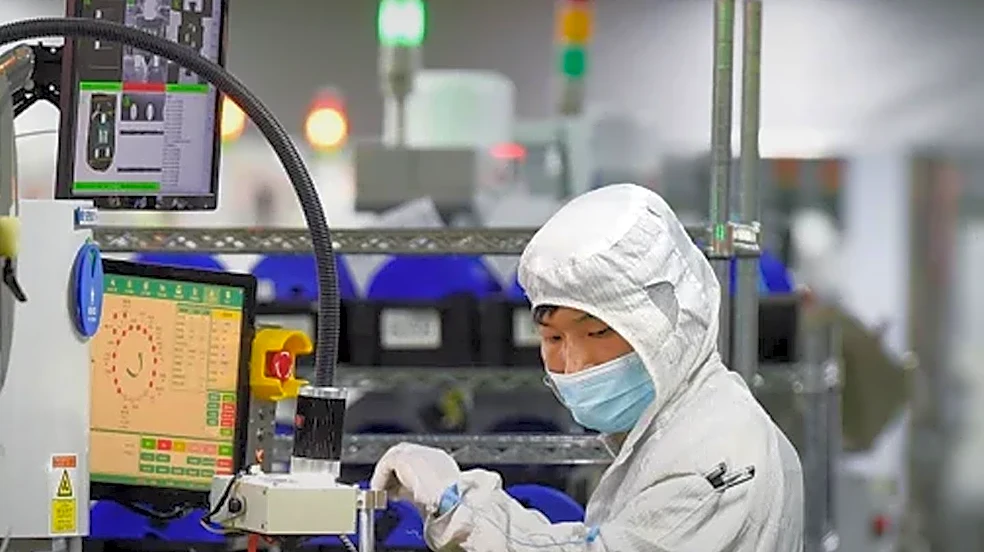
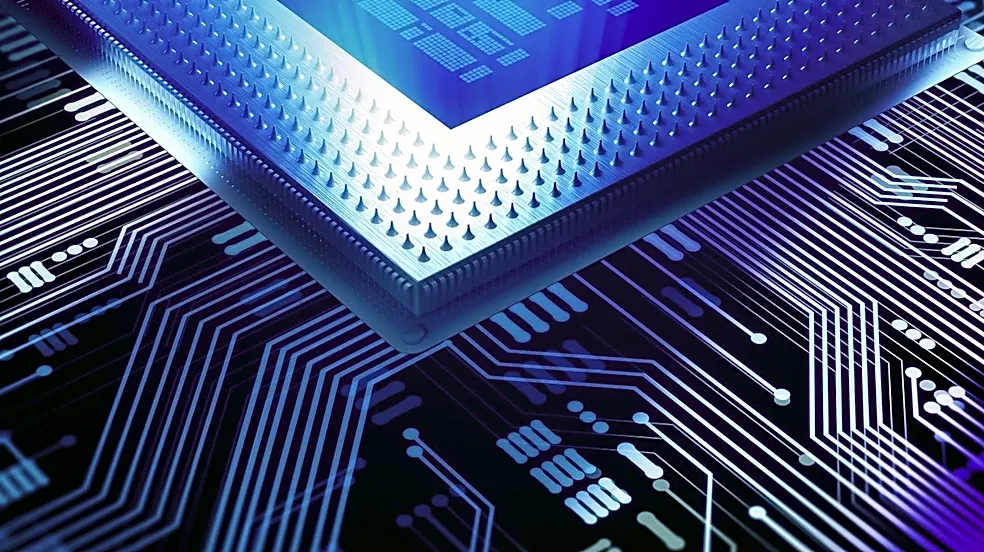
Taiwan Semiconductor Manufacturing Company (TSMC), the world's largest contract chipmaker, is actively seeking alternatives to rare-earth components in its factory equipment. This initiative is a direct response to China's implementation of export controls
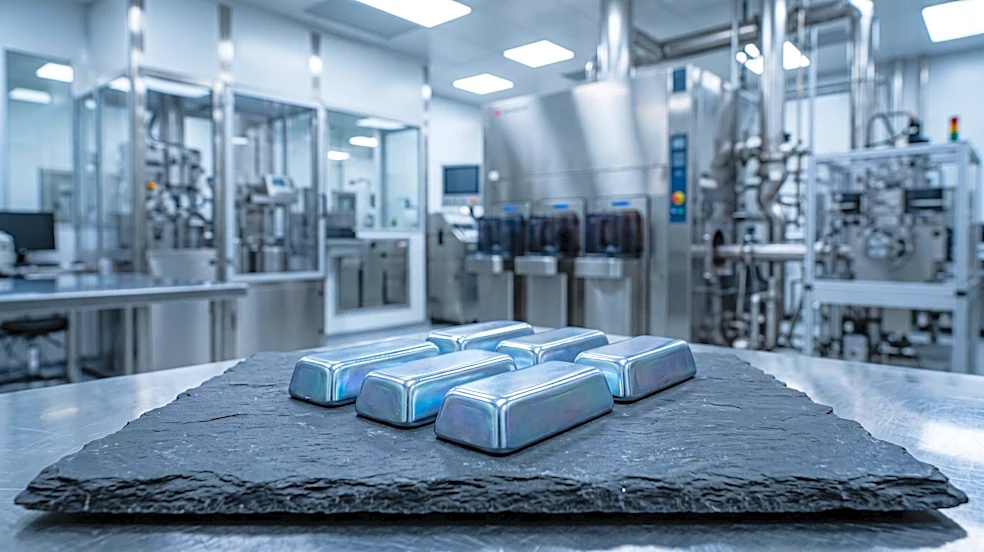
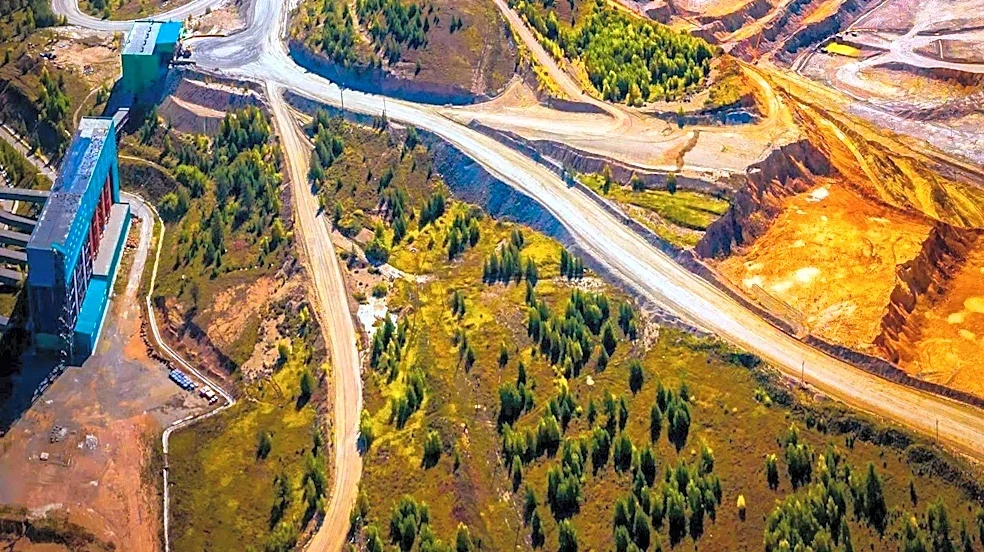
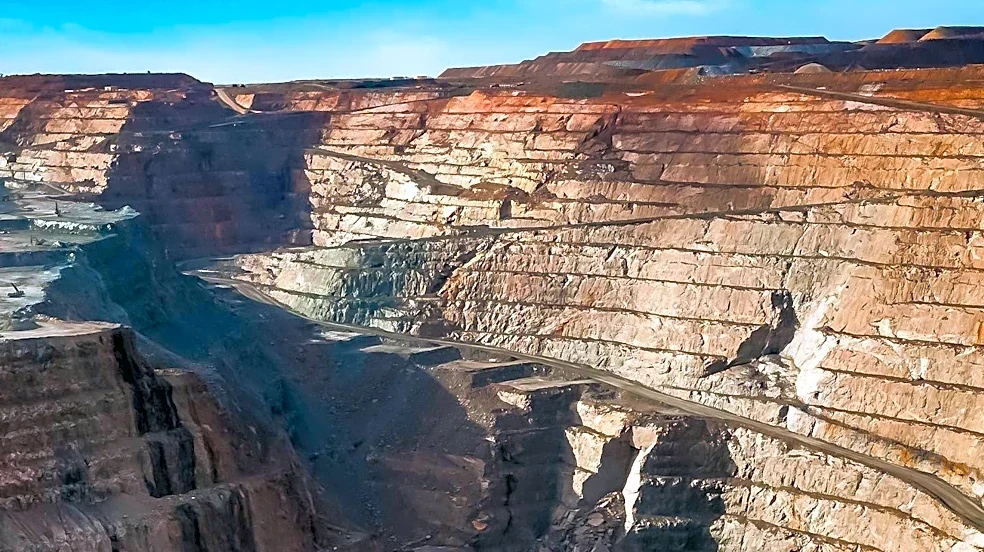
on certain rare-earth materials, magnets, and related processing technology, which began last year. Rare-earth magnets are crucial for motors in industrial equipment, including the highly automated machinery used in chip fabrication plants like TSMC's. The company has reportedly surveyed its suppliers about the feasibility of using rare-earth-free motors in factory automation equipment. These discussions are currently in their early stages and have not yet led to a widespread adoption of such equipment. The move by TSMC aligns with broader efforts by the U.S. and Taiwan to reduce their reliance on Chinese rare-earth and critical mineral supply chains, with both governments exploring alternative sources and processing capacities.
Why It's Important?
This development is significant for the U.S. semiconductor industry and its supply chains, which are heavily dependent on advanced chips produced by companies like TSMC. A potential disruption in the supply of rare-earth materials from China could severely impact the production of semiconductors essential for smartphones, AI systems, data centers, and defense applications. By exploring rare-earth-free equipment, TSMC aims to enhance the resilience of its operations and reduce vulnerability to geopolitical tensions and export restrictions. This strategic shift could lead to increased demand for alternative materials and technologies, potentially fostering innovation and investment in new manufacturing processes within the U.S. and its allied nations. The U.S. government's interest in diversifying critical mineral supply chains, as evidenced by the American Institute in Taiwan's engagement with research organizations, underscores the national security and economic implications of this issue. Success in developing rare-earth-free solutions could safeguard critical technology sectors and reduce reliance on a single dominant supplier.
What's Next?
The discussions between TSMC and its suppliers regarding rare-earth-free motors are expected to continue, with the potential for broader rollout of such equipment in the future, although this is still in early stages. The U.S. and Taiwan will likely intensify their collaborative efforts to develop alternative sources and processing capabilities for rare earths and critical minerals. Taiwan's Industrial Technology Research Institute (ITRI) plans to establish a pilot production line for rare-earth technologies within three years, aiming to meet a significant portion of the island's domestic demand. U.S. officials are closely monitoring ITRI's progress and engaging in discussions to diversify critical mineral supply chains. These initiatives suggest a long-term strategic shift towards greater supply chain independence and resilience in the semiconductor and critical materials sectors.
Beyond the Headlines
The pursuit of rare-earth-free technology by TSMC highlights a broader global trend towards de-risking critical supply chains and reducing dependence on single-source suppliers, particularly in strategically important sectors. This move could accelerate research and development into novel materials and manufacturing techniques, potentially leading to unforeseen technological advancements. The ethical and environmental implications of rare-earth mining, often associated with significant ecological damage and labor concerns, could also gain more prominence as companies seek alternatives. Furthermore, this situation underscores the increasing weaponization of trade and resources in international relations, compelling nations and corporations to re-evaluate their global sourcing strategies and invest in domestic or allied production capabilities to ensure national security and economic stability.