


What's Happening?
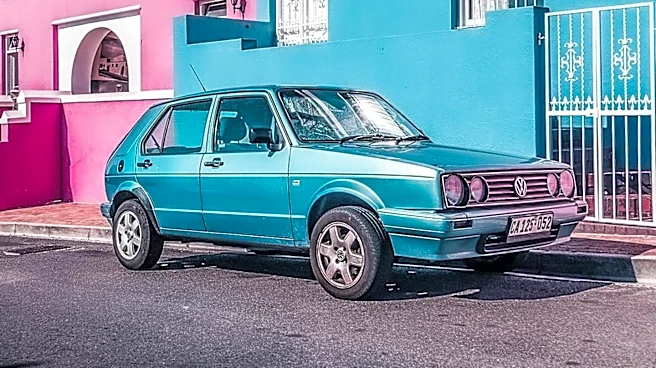
Factorial Energy, a Massachusetts-based company, is making significant strides in solid-state battery technology, securing partnerships with major automotive manufacturers including Mercedes-Benz, Stellantis, Volkswagen (via PowerCo SE), and Hyundai.
The company's semi-solid-state lithium-metal battery cells, known as FEST cells, have already demonstrated a 25% increase in range compared to traditional lithium-ion packs of the same size and weight, as evidenced by a Mercedes-Benz EQS sedan traveling 748 miles on a single charge. Factorial's FEST cells achieve up to 391 watt-hours per kilogram (wh/kg) using a gel-like substance instead of a liquid electrolyte. The company is also developing fully solid-state Solstice cells, which are projected to reach 450 wh/kg and are expected to be production-ready by the end of the decade. Factorial, now a public company listed on NASDAQ, aims to reduce battery weight by 50% with its solid-state technology.
Why It's Important?
Factorial Energy's progress in solid-state battery technology is crucial for the future of the U.S. and global electric vehicle (EV) market. Current lithium-ion batteries face limitations in range, charging time, and safety (thermal runaway). Solid-state batteries promise higher energy density, faster charging, and enhanced safety, which could accelerate EV adoption. The partnerships with major global automakers, representing 40% of the global auto industry outside China, validate Factorial's technology and signal a potential shift in battery manufacturing. This development could significantly impact the automotive supply chain, create new manufacturing jobs, and reduce reliance on traditional battery components. For consumers, it means the prospect of EVs with significantly longer ranges and quicker refueling, addressing key concerns that currently hinder broader EV acceptance.
What's Next?
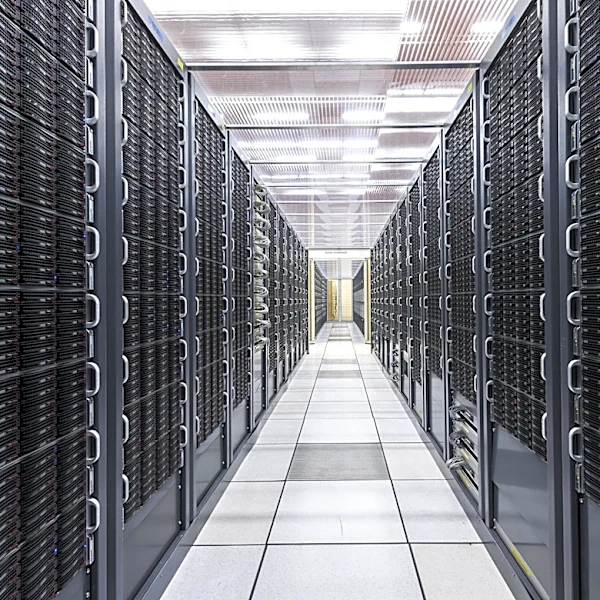
Factorial's semi-solid-state FEST cells are slated for integration into a production car from Karma Automotive by late next year, specifically the Karma Kaveya luxury coupe. This vehicle is expected to transition to full solid-state cells by early 2029, contingent on cell availability. The company's fully solid-state Solstice cells are targeted for production readiness by the end of the decade. Factorial is also expanding its reach beyond automotive, with initial drone orders and potential applications in data centers. The company is collaborating with experienced large-scale battery manufacturers in Korea to scale production. While some industry experts remain cautious about the timeline for widespread solid-state battery adoption, Factorial's OEM partnerships and demonstrated performance suggest a more imminent impact on the EV landscape.
Beyond the Headlines
The pursuit of solid-state batteries by companies like Factorial Energy represents a fundamental shift in energy storage technology, with implications far beyond the automotive sector. The potential to eliminate problematic materials like cobalt, often sourced under adverse labor conditions, could lead to more ethical and sustainable supply chains. Furthermore, the increased energy density and reduced weight of solid-state batteries could revolutionize not only EVs but also portable electronics, grid storage, and aerospace applications. The 'regulatory challenges' in the U.S. for EVs, particularly the preference for larger SUVs and long-distance travel, underscore the need for such technological breakthroughs to align with consumer demands. Factorial's success could position the U.S. at the forefront of advanced battery manufacturing, fostering economic growth and technological leadership in a critical industry.