






What's Happening?
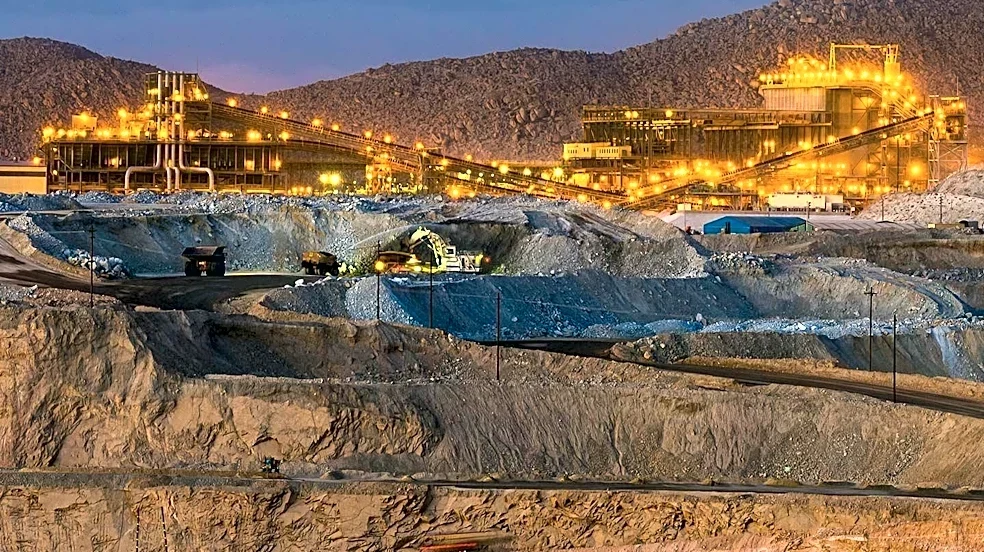
Faraday Copper (TSX:FDY) is set to commence a 24,000-meter drilling program at its San Manuel Project in Arizona, U.S., within days. This development follows the successful acquisition of the San Manuel Project from a BHP (ASX:BHP) subsidiary. The San Manuel Project is strategically
located adjacent to Faraday Copper’s existing Copper Creek Project in Pinal County, approximately 100km northeast of Tucson. Together, these assets form the Redhawk Copper Complex, encompassing approximately 14,164 hectares of private land. As part of the acquisition, BHP received approximately 131.6 million Faraday shares, increasing its total holdings to around 138 million shares, which represents about 32% of Faraday Copper on a non-diluted basis. Additionally, BHP executives Elaina Ware and Dominic Perrottet have joined the Faraday board. Drill crews and rigs are already on-site, preparing for the campaign. The program aims to confirm historical estimates at the San Manuel and Kalamazoo deposits, gather multi-element and mineralogical data, and collect metallurgical and geotechnical samples. Faraday Copper notes that the historical estimates are not compliant with National Instrument 43-101 and are not considered current mineral resource estimates.
Why It's Important?
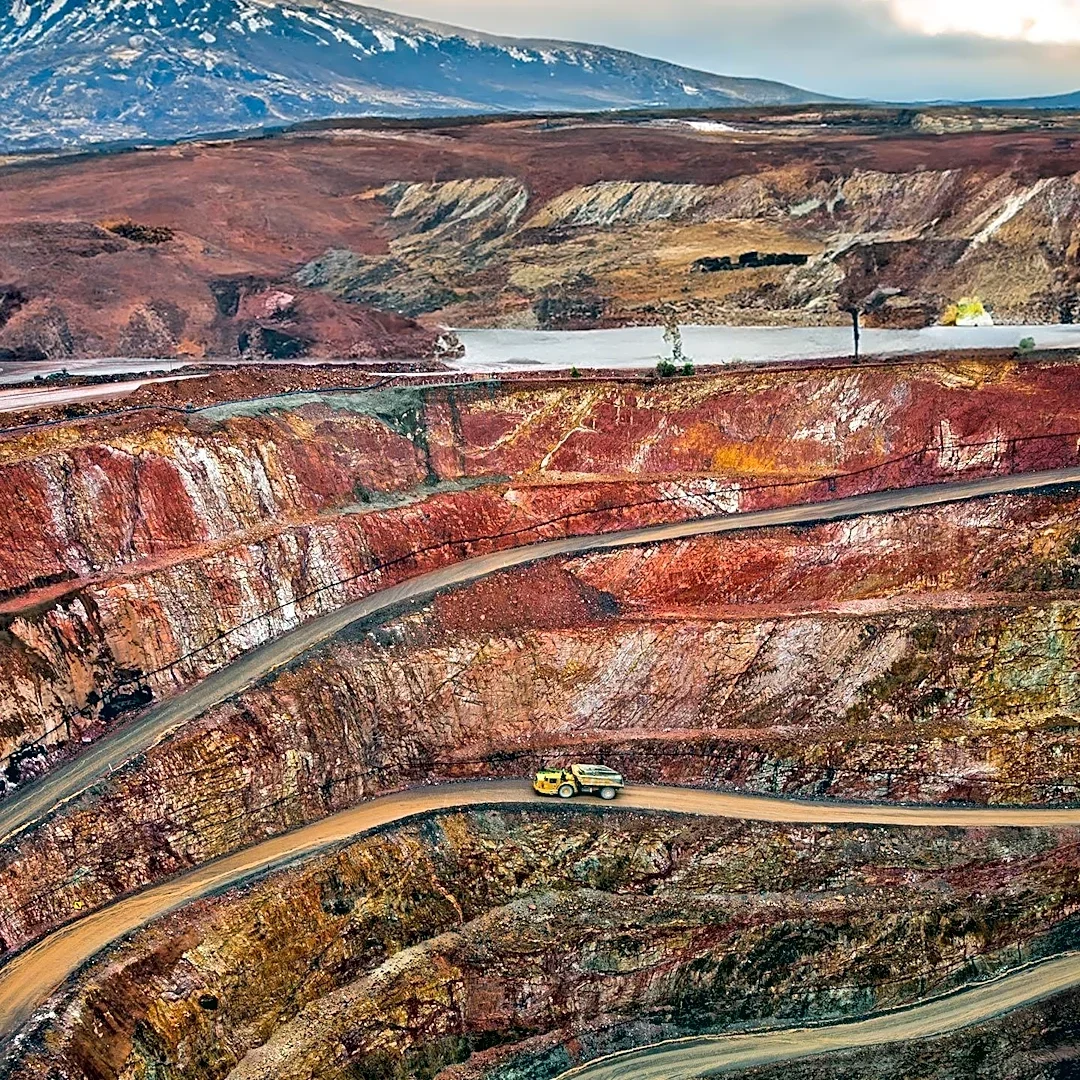
This drilling program is a significant step for Faraday Copper in advancing its Redhawk Copper Complex, which is poised to become a multi-decade source of domestic copper for the U.S. The San Manuel Project has a history of substantial copper production, having operated as a combined underground block cave and open-pit mine from 1955 to 1999, yielding over 4.2 million tonnes of copper. The re-evaluation and potential revitalization of such a historically productive site are crucial given the increasing global demand for copper, driven by the energy transition, electric vehicles, and data centers. The involvement of BHP, a major global mining company, as a significant shareholder and with representation on Faraday's board, lends considerable credibility and potential strategic support to the project. This initiative could contribute to strengthening the U.S. domestic supply chain for critical minerals, reducing reliance on foreign sources, and supporting national economic and strategic interests in renewable energy and advanced technologies. The project's success could also create employment opportunities and stimulate economic activity in Arizona.
What's Next?
Faraday Copper anticipates delivering key milestones in the coming months and years. The immediate next step is the commencement of the 24,000-meter drilling campaign at the San Manuel Project. Following this, the company expects to release Mineral Resource Estimates (MREs) for both the San Manuel and Kalamazoo projects by mid-2027. This will be a critical step in establishing the current economic viability and scale of the deposits. Subsequently, a Phase One Prefeasibility Study (PFS) is planned for 2028, which will focus on copper cathode and open-pit sulphide production. This PFS will provide a more detailed economic and technical assessment of the project, guiding future development decisions. The company's CEO, Paul Harbidge, has expressed excitement about the project's potential to deliver a long-term domestic copper source. The integration of BHP executives into Faraday's board suggests ongoing strategic collaboration and potential for further investment or technical support as the project progresses.
Beyond the Headlines
The revitalization of historical mining sites like San Manuel reflects a broader trend in the mining industry to address the growing demand for critical minerals by leveraging existing infrastructure and known deposits. This approach can potentially accelerate production timelines compared to developing entirely new 'greenfield' projects, which often face extensive permitting processes and environmental reviews. The focus on domestic copper production aligns with national strategies aimed at securing supply chains for materials essential to technological advancement and national security. However, the project will also need to navigate potential environmental and social considerations, especially given the site's long operational history. Modern mining practices, as indicated by the company's plans to confirm historical estimates and collect comprehensive data, will likely incorporate advanced environmental stewardship and community engagement. The success of the Redhawk Copper Complex could serve as a model for other dormant U.S. mining sites, contributing to a more resilient and self-sufficient domestic mineral supply.