





What's Happening?
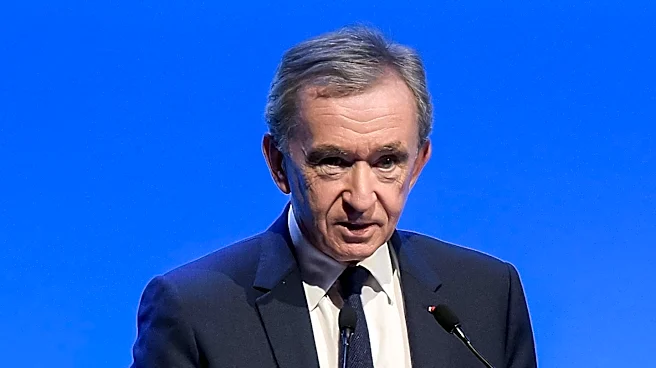
The Arnault family has significantly increased its control over LVMH, the global luxury conglomerate. As of February 19, the family group surpassed the 50% threshold of LVMH’s capital, with its share of voting rights reaching 65.94%. This represents nearly
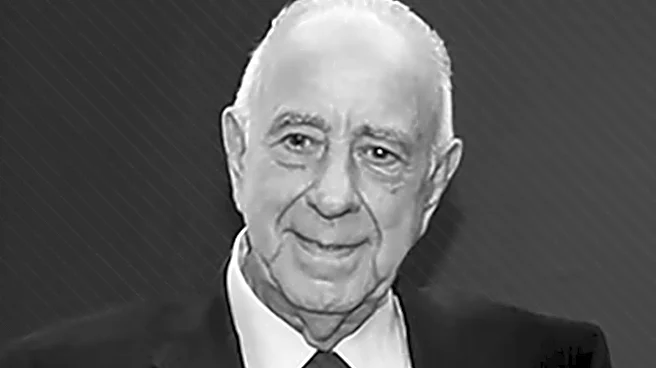
two-thirds of the decision-making power at the general meeting. This consolidation of power is primarily driven by Christian Dior SE, which holds 42.21% of LVMH’s capital. Financiére Agache holds an additional 6.73%, with direct family holdings accounting for smaller percentages. Bernard Arnault, who built LVMH through strategic acquisitions starting in 1984 with the Boussac textile group, has structured the family holding company, Agache, as a limited partnership. In this arrangement, Bernard Arnault serves as the general partner, while his five children equally hold the limited partner structure, ensuring continuity of family control and separating management authority from capital ownership. This move follows years of preparing his descendants for leadership roles within the various LVMH brands.
Why It's Important?
This increased family control over LVMH has significant implications for the luxury industry and corporate governance. By securing a dominant voting share, the Arnault family reinforces its long-term strategic vision for LVMH, potentially allowing for more agile decision-making and insulation from external shareholder pressures. This move ensures the preservation of the family's legacy and business philosophy across its vast portfolio of prestigious brands, including Christian Dior, Louis Vuitton, Tiffany & Co., and TAG Heuer. For the U.S. market, where LVMH has a substantial presence through brands like Tiffany & Co., this solidified control could lead to consistent brand strategies and investment decisions. It also highlights a trend in family-controlled conglomerates to implement robust succession planning and ownership structures to maintain influence across generations, potentially influencing other family-owned businesses globally to adopt similar models for long-term stability and control.
What's Next?
With the Arnault family's control firmly established, the next steps will likely involve continued strategic development and expansion of LVMH's luxury portfolio under the family's unified vision. The five Arnault children are already positioned in key leadership roles across various LVMH brands, indicating a clear succession plan and active involvement in the group's future. Delphine Arnault is CEO of Christian Dior Couture, Antoine Arnault chairs Christian Dior SE and Berluti, Alexandre Arnault holds leadership roles at Tiffany & Co., Frédéric Arnault leads LVMH’s watch division and is CEO of Loro Piana, and Jean Arnault is involved in Louis Vuitton's watchmaking division. This generational transition suggests a continued focus on innovation, brand heritage, and global market penetration. Future acquisitions or divestitures will likely align with the family's long-term strategy, further solidifying LVMH's position as a leader in the global luxury market. The structure also minimizes potential internal conflicts over strategic direction, allowing for a more cohesive approach to market challenges and opportunities.
Beyond the Headlines
The Arnault family's consolidation of power in LVMH extends beyond mere financial control; it represents a strategic blueprint for maintaining dynastic influence in a globalized corporate landscape. This move underscores the growing importance of robust governance structures in family-owned enterprises, particularly those with significant global reach and brand equity. The separation of management authority from capital ownership, as implemented through the Agache limited partnership, offers a model for other family businesses seeking to ensure continuity and mitigate potential succession disputes. Ethically, this structure raises questions about corporate accountability and the balance between family interests and broader stakeholder concerns, though in the luxury sector, a strong family vision is often seen as a guarantor of brand integrity and long-term value. Culturally, it reinforces the narrative of luxury brands being built and sustained by enduring family legacies, a powerful marketing tool in itself. This development could also influence future regulatory discussions around corporate control and transparency in family-dominated conglomerates.