






What's Happening?
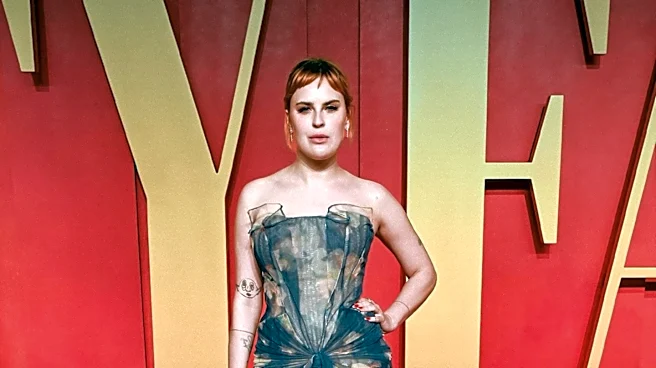
Rumer Willis, daughter of actor Bruce Willis, has undergone genetic testing to assess her personal risk of developing dementia and other hereditary cognitive disorders. This decision comes after her father, Bruce Willis, was diagnosed with frontotemporal
dementia in 2023. Rumer Willis, 38, stated that while receiving such information can be 'terrifying,' she believes that 'information is power.' She acknowledged a family history of various conditions, including breast cancer, and emphasized the importance of proactive health measures. She did not disclose the results of her tests or whether any genetic conditions were identified that might impact her or her three-year-old daughter, Louetta Isley Thomas Willis. Her approach aligns with a growing trend of individuals seeking genetic insights to inform their health strategies.
Why It's Important?
This development highlights the increasing public awareness and utilization of genetic testing for predispositions to serious health conditions, particularly neurodegenerative diseases like dementia. The public disclosure by a prominent figure like Rumer Willis can significantly influence public perception and encourage more individuals to consider proactive health management. For the healthcare industry, this trend could lead to increased demand for genetic counseling services, diagnostic testing, and personalized preventative care strategies. It also underscores the emotional and practical challenges families face when confronted with hereditary health risks, prompting discussions about early intervention, lifestyle modifications, and long-term care planning. The emphasis on 'information is power' suggests a shift towards empowering individuals with knowledge to potentially mitigate risks, even for conditions currently without a cure.
What's Next?
Following her genetic testing, Rumer Willis plans to continue taking proactive steps to ensure her long-term health, regardless of the test results. This includes focusing on reducing inflammation and improving heart health. Her public stance may inspire others to explore similar genetic testing options and adopt preventative health measures. The broader conversation around genetic predispositions to dementia is likely to continue, potentially leading to more research funding for early detection and treatment. For the medical community, this could mean an increased focus on developing accessible and affordable genetic screening programs, alongside comprehensive support systems for individuals and families navigating such diagnoses. The experience of celebrities like Willis and Chris Hemsworth, who also underwent genetic testing for Alzheimer's predisposition, could further normalize these discussions.
Beyond the Headlines
Rumer Willis's decision to undergo genetic testing delves into the complex ethical and psychological dimensions of knowing one's predisposition to incurable diseases. While she views information as power, the knowledge of a potential future diagnosis can also carry significant emotional burdens, including anxiety and existential concerns. This situation also brings to light the evolving role of genetic information in family planning and personal decision-making, especially concerning children. The public nature of her disclosure contributes to destigmatizing genetic testing and hereditary conditions, fostering a more open dialogue about health vulnerabilities. Furthermore, it underscores the societal shift towards personalized medicine, where individual genetic profiles increasingly guide health interventions and lifestyle choices, moving beyond a one-size-fits-all approach to healthcare.