

What's Happening?
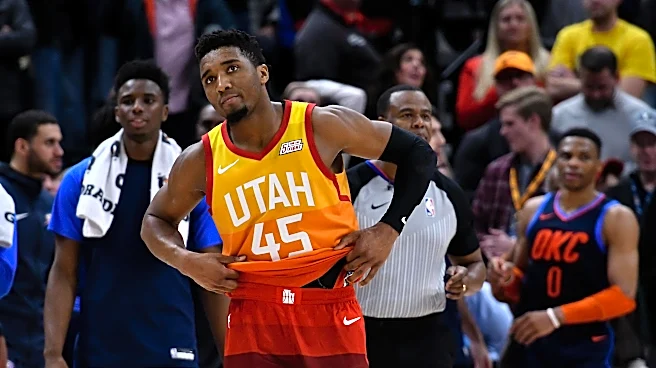
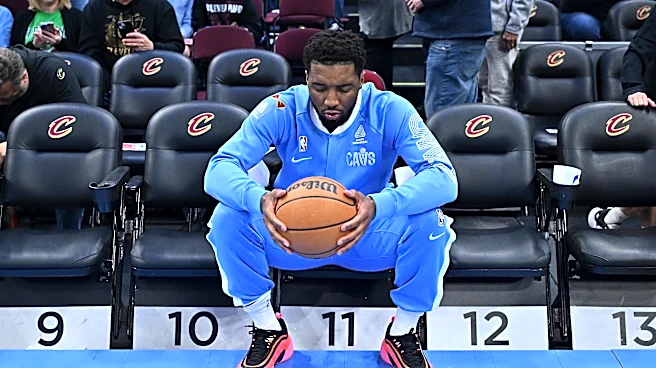
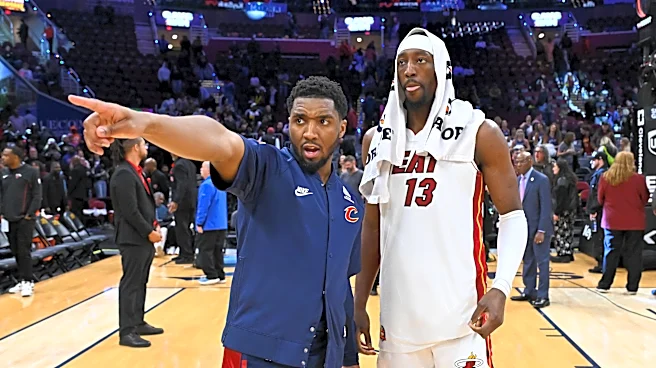
Former NBA champion Kendrick Perkins has publicly criticized Cleveland Cavaliers guard Donovan Mitchell for suggesting that a game against the Dallas Mavericks should have been canceled due to severe travel disruptions. The Cavaliers faced a chaotic travel schedule
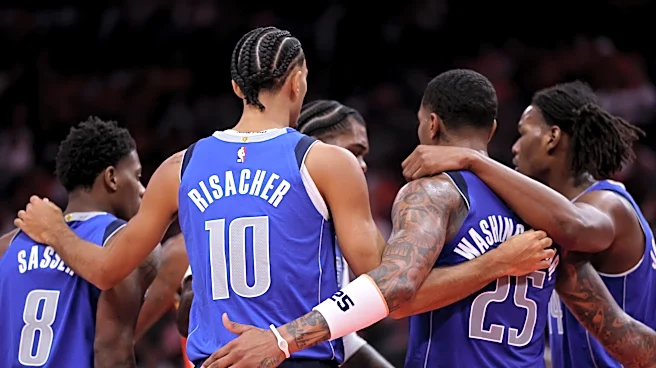
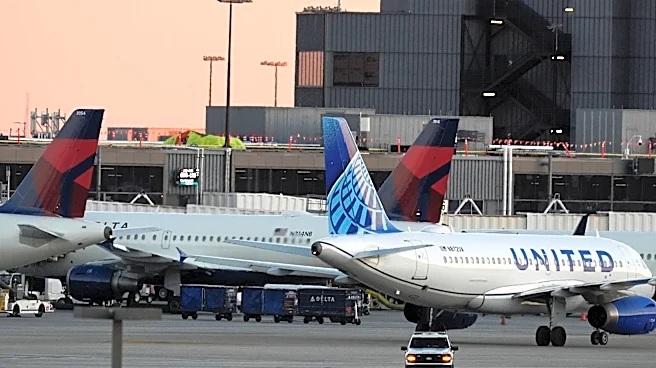
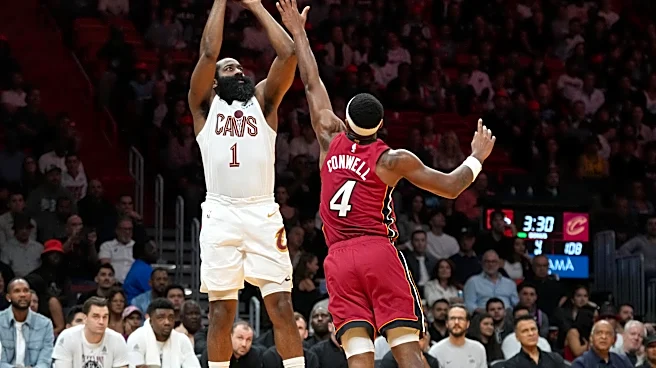
after a nationwide ground stop by the Federal Aviation Administration (FAA) delayed their flight from Miami. Originally, the team planned to depart Miami late Friday night, but the FAA issue forced a schedule change, leading to difficulties in securing hotel accommodations. Head coach Kenny Atkinson even mentioned the team was prepared to 'sleep on the bus.' Ultimately, the Cavaliers arrived in Cleveland with only about eight hours before their scheduled tip-off. Mitchell expressed his frustration, calling the situation 'unprecedented' for a back-to-back game following a three-hour flight. Perkins responded on X, labeling Mitchell's comments as 'Soft as hell!!! Doing all that crying… leave some room for the babies,' implying a lack of resilience compared to previous generations of players. Despite the travel woes and Mitchell's absence due to a left knee bruise, along with three other starters being rested, the Cavaliers surprisingly defeated the Mavericks 127-117.
Why It's Important?
This incident highlights ongoing tensions within professional sports regarding player welfare, competitive fairness, and the expectations placed on athletes. Donovan Mitchell's call for a game cancellation underscores the physical and logistical challenges players face due to demanding schedules and unforeseen external events like widespread travel disruptions. The debate sparked by Kendrick Perkins's comments reflects a generational divide in sports culture, where older athletes often emphasize toughness and playing through adversity, while contemporary players and organizations increasingly prioritize player health and safety. This clash of perspectives can influence how leagues, teams, and player associations approach scheduling, travel protocols, and player rest in the future. The Cavaliers' decision to rest multiple starters, including Mitchell, due to the travel ordeal, despite fan disapproval, indicates a growing emphasis on long-term player health, which could impact team performance and fan engagement in the short term. The unexpected victory by the Cavaliers with a depleted roster also raises questions about team depth and the impact of star players' absences.
What's Next?
The NBA and other professional sports leagues may face increased scrutiny regarding their contingency plans for widespread travel disruptions. This incident could prompt discussions between the league, teams, and the National Basketball Players Association (NBPA) about implementing clearer guidelines or protocols for rescheduling games when significant travel impediments occur. Teams might also re-evaluate their travel logistics and consider more flexible scheduling options to mitigate the impact of such events on player performance and well-being. Individual players like Donovan Mitchell may continue to advocate for better player protections and more reasonable demands on their physical and mental health. Conversely, figures like Kendrick Perkins may continue to voice opinions that challenge what they perceive as a softening of professional sports culture. The ongoing dialogue will likely shape future policies concerning player rest, travel, and game integrity across the league.
Beyond the Headlines
The debate between Mitchell and Perkins touches upon broader societal shifts in attitudes towards work-life balance and employee well-being, even in high-stakes professions like professional sports. The 'tough it out' mentality, historically prevalent in sports, is increasingly being challenged by a greater awareness of sports science, mental health, and the long-term physical toll on athletes. This incident could serve as a microcosm for the evolving understanding of athlete welfare, moving beyond mere physical injury to encompass the cumulative stress of travel, demanding schedules, and the need for adequate recovery. It also highlights the power dynamics between players, who are increasingly vocal about their conditions, and traditional sports figures who may hold different expectations. The public's reaction, including fan booing when starters were rested, further illustrates the complex interplay between player needs, team objectives, and fan expectations, suggesting a continuous negotiation of these values in the modern sports landscape.