







What's Happening?
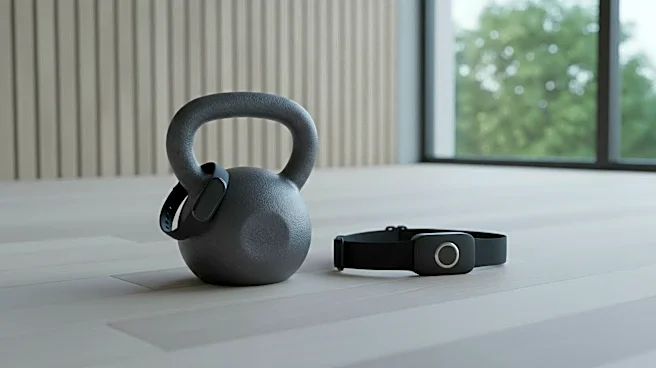
A recent test of the Fitbit Air, a popular health tracker, has revealed potential inaccuracies in its calorie counting capabilities. The test compared the Fitbit Air's heart rate data and calorie estimates against the Polar H10 chest strap, a reliable
heart rate monitor. While the Fitbit Air performed well in tracking heart rate, it underestimated calories burned by up to 30% during strength training sessions. The discrepancies highlight the challenges of using wrist-worn devices for precise calorie tracking, as they may not capture quick fluctuations in heart rate during high-intensity activities.
Why It's Important?
The findings raise questions about the reliability of health trackers for calorie counting, which is a key feature for users focused on fitness and weight management. As wearable technology becomes increasingly popular, consumers rely on these devices for accurate health data. The potential inaccuracies in calorie tracking could impact users' ability to effectively manage their diet and exercise routines. This underscores the need for continued innovation and improvement in wearable technology to ensure accurate and reliable health monitoring.
Beyond the Headlines
The test results suggest that while health trackers like the Fitbit Air are useful for general fitness monitoring, they may not be suitable for users who require precise data for specific health goals. This highlights the importance of understanding the limitations of wearable technology and considering alternative methods, such as chest straps, for more accurate heart rate and calorie tracking. As the market for health wearables continues to grow, manufacturers may need to address these challenges to meet consumer expectations.