




What's Happening?
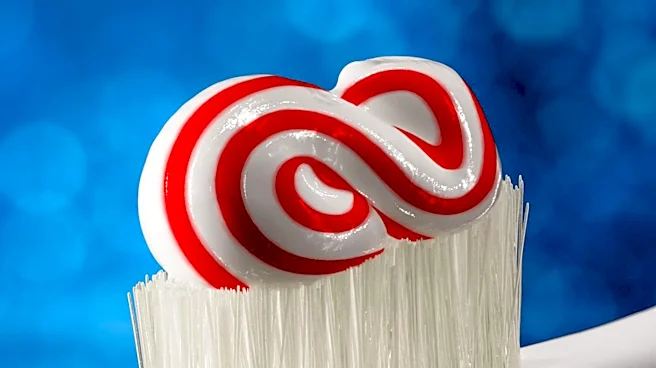
The U.S. toothpaste market is seeing a diversification with the emergence of luxury options, categorized into clinical-grade and design-led products. Clinical-grade luxury toothpastes, priced roughly from $18 to $30 or more, focus on specialized ingredients
like nano-hydroxyapatite (nHAp) for remineralization and often include fluoride. Brands like Dr. Jen Natural fall into this category, emphasizing ingredient quality and specific oral health needs. Design-led luxury toothpastes, ranging from $10 to $50 or more, are marketed as beauty or lifestyle products, featuring unique flavors and attractive packaging, with brands like Marvis and Selahatin. While fluoride toothpastes are regulated as drugs by the FDA, fluoride-free toothpastes marketed for cleaning or beautifying teeth are regulated as cosmetics, meaning they don't undergo the same efficacy review for cavity prevention. Consumers are advised to examine ingredients and claims to determine value.
Why It's Important?
The rise of luxury toothpaste signifies a shift in consumer perception of oral care from a basic necessity to a wellness and beauty ritual. This trend impacts the U.S. business landscape by creating a premium segment within the oral care market, attracting consumers willing to pay more for perceived benefits, unique experiences, or aesthetic appeal. For manufacturers, it opens opportunities for product innovation, ingredient research, and sophisticated branding. However, it also raises questions about consumer education, as the regulatory differences between fluoride and fluoride-free toothpastes mean that not all expensive products offer the same level of proven oral health benefits. This market segmentation challenges traditional toothpaste brands to innovate or risk losing market share to premium competitors.
What's Next?
The luxury toothpaste market is likely to continue its growth, with more brands entering the space and further segmenting offerings based on specific oral health concerns, ingredient preferences (e.g., natural, organic), and aesthetic appeal. We may see increased marketing efforts emphasizing the 'experience' of brushing and the 'wellness' aspect of oral hygiene. Regulatory bodies might face pressure to clarify guidelines for cosmetic toothpastes, especially those making implied health claims. Consumers will become more discerning, relying on ingredient transparency and scientific evidence to justify higher prices. Dental professionals may also play a larger role in guiding patients through the expanding array of options, recommending products based on individual needs rather than price or branding alone.
Beyond the Headlines
The luxury toothpaste trend reflects broader societal values that prioritize self-care, personalized wellness, and the aestheticization of everyday routines. Ethically, it prompts discussions about equitable access to advanced oral care, as premium products may be out of reach for some consumers. Legally, the distinction between drug and cosmetic regulation for toothpastes highlights potential gaps in consumer protection regarding efficacy claims for non-fluoride products. Culturally, it signifies a move towards integrating health and beauty, where oral hygiene is no longer just about preventing cavities but also about enhancing overall well-being and personal image. This shift could influence product development in other personal care categories, pushing for more specialized, ingredient-focused, and aesthetically pleasing options.