






What's Happening?
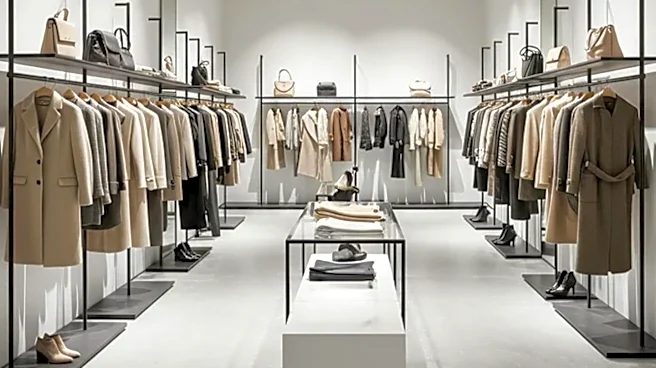
Zara, the Spanish fashion retailer, has finished a seven-month, top-to-bottom overhaul of its 15-year-old Fifth Avenue flagship store in New York. The 42,000-square-foot, three-level store, with 32,000 square feet of selling space, has been modernized
with Zara’s latest technology for customer service and merchandise handling. The redesign features an open, brighter environment and interior details that evoke New York City’s architectural heritage. Located at 660 Fifth Avenue by 52nd Street, the store is considered Zara’s U.S. flagship and reopened on Thursday. Dilip Patel, president of Zara USA, stated that the investment reflects the importance of their New York customers and the significant traffic the Fifth Avenue location receives. The store now includes features like concealed automated clothing sorting systems, sophisticated checkout and return technology using RFID tags, and real-time product availability checks via the Zara app. The renovation also incorporated high-performance heating and cooling installations and LED track lighting, with materials selected to reduce environmental impact.
Why It's Important?
This significant investment in Zara's U.S. flagship store underscores the brand's commitment to the American market and its strategy to enhance the in-store shopping experience. By integrating advanced technology and a redesigned environment, Zara aims to streamline operations, improve customer service, and create a more engaging retail space. This move is particularly important in the competitive U.S. retail landscape, where physical stores are increasingly challenged to offer unique experiences to attract and retain customers. The focus on rapid product turnover, with new garments and styles introduced in short runs, allows Zara to stay current with fashion trends and maintain customer interest. The technological upgrades, such as automated sorting and efficient checkout systems, are designed to reduce 'shopping friction' and make the experience more seamless, potentially setting a new standard for retail efficiency and customer satisfaction in high-traffic urban locations. This strategic upgrade could influence other retailers to invest in similar technological and experiential enhancements to remain competitive.
What's Next?
Zara plans at least 20 projects in the U.S. for 2027, which will involve new locations, refurbishments, or relocations, indicating a continued expansion and modernization effort across the country. The success of the Fifth Avenue flagship's technological and design innovations will likely inform future store developments. The brand's emphasis on rapid product turnover means customers can expect a constant refresh of merchandise, encouraging frequent visits. Zara will also continue to offer exclusive collections for its flagship store, such as the '660 Fifth Avenue' labeled leather designs and New York City-themed children's items, to create a unique draw. The integration of the Zara app with in-store features, allowing customers to check product availability and locate items, will further bridge the gap between online and physical shopping experiences. The company's parent, Inditex, also plans to selectively open Bershka and Massimo Dutti stores in U.S. cities like Miami and New York, signaling a broader strategic push in the American market.
Beyond the Headlines
The overhaul of Zara's Fifth Avenue flagship reflects a broader trend in retail where physical stores are evolving beyond mere transaction points to become experiential hubs. The integration of advanced technology, such as automated sorting and RFID-enabled checkout, highlights a shift towards operational efficiency and a seamless customer journey, which could become a benchmark for the industry. The store's design, which subtly incorporates elements of New York's architectural heritage, speaks to a growing desire for localized and authentic retail environments, moving away from generic store layouts. This approach also touches upon the ethical implications of 'fast fashion,' a term Zara executives reportedly reject, by focusing on rapid introduction of new styles rather than simply pushing more garments. The emphasis on customer experience and reducing 'friction' in shopping suggests a recognition that convenience and engagement are paramount in retaining consumers in an increasingly digital world. This strategic direction could influence how other global brands approach their flagship locations, prioritizing technology, localized design, and an enhanced customer journey.