




What's Happening?
Dart Container is actively recruiting an Automation Field Service Technician to support its manufacturing facilities across North America. This role involves extensive travel to various Dart plants to troubleshoot, optimize, and maintain cutting-edge
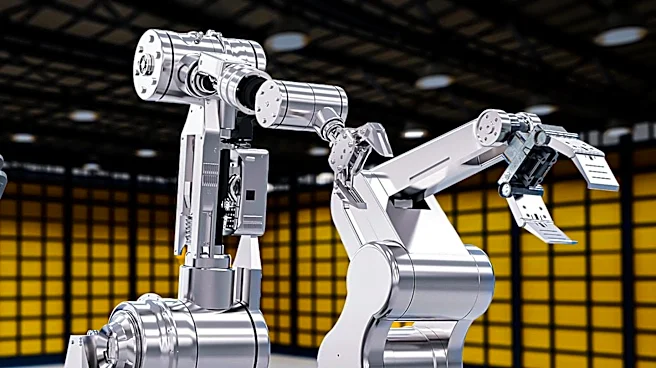
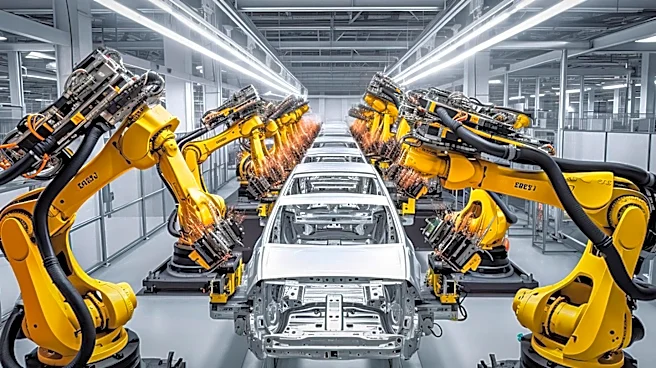
automation equipment. The technician will be responsible for providing service and support to ensure production startups and corporate service goals are met. Key duties include assembling, disassembling, installing, setting up, operating, testing, and troubleshooting moderately complex equipment and control systems. The position also requires identifying machine failure trends, working with engineers to develop solutions, and performing modifications and retrofits to existing electrical, mechanical, pneumatic, and hydraulic equipment. Candidates need to possess a strong understanding of automated production equipment, electrical and hardware schematics, Programmable Logic Controllers (PLC) ladder logic, Human-Machine Interface (HMI), and controls software. The role emphasizes continuous improvement, technical support to production plants, and collaboration with various departments to enhance efficiency, quality, safety, and compliance.
Why It's Important?
This recruitment highlights the ongoing demand for skilled automation technicians within the U.S. manufacturing sector, particularly in industries like packaging and consumer goods. Dart Container's investment in optimizing its automation equipment underscores a broader trend of companies leveraging advanced technology to improve production efficiency, reduce costs, and maintain competitiveness. The extensive travel requirement for this position reflects the distributed nature of modern manufacturing operations and the need for specialized expertise to be deployed across multiple sites. For the U.S. economy, a robust workforce in automation and field service is crucial for supporting domestic manufacturing, ensuring operational continuity, and driving innovation. The role's focus on troubleshooting and implementing solutions directly impacts production throughput and product quality, which are vital for meeting consumer demand and maintaining market share. Furthermore, the emphasis on continuous improvement and collaboration suggests a commitment to operational excellence that can set industry benchmarks and foster technological advancements within the sector.
What's Next?
The successful candidate will embark on a highly travel-focused role, providing critical support to Dart Container's manufacturing operations. This will involve frequent travel, often requiring Monday morning departures and Friday afternoon returns, with potential Sunday evening travel. The position offers significant overtime opportunities, with pre-approved overtime of up to 12 hours per day while in plants, allowing top performers to substantially increase their earnings. The technician will be expected to mentor and train lower-level technicians, contributing to the development of the company's skilled workforce. Dart Container will continue to invest in its automation infrastructure, and the insights gained from field service technicians will likely inform future equipment upgrades and process improvements. The company's commitment to employee benefits, including medical, dental, vision, 401(k), and tuition assistance, indicates an ongoing effort to attract and retain talent in a competitive labor market.
Beyond the Headlines
The demand for Automation Field Service Technicians like the one Dart Container is seeking points to a significant shift in the U.S. manufacturing landscape towards increased automation and advanced robotics. This trend has profound implications for the future of work, requiring a workforce with specialized technical skills in areas such as PLC programming, HMI development, and complex equipment troubleshooting. The extensive travel associated with this role also highlights the evolving nature of technical support, where expertise is often mobile and deployed on-site across geographically dispersed facilities. This can lead to challenges and opportunities related to work-life balance, professional development, and the integration of remote support technologies. Furthermore, the emphasis on continuous improvement and collaboration within the role suggests a move towards more integrated and data-driven manufacturing processes, where technicians are not just repair personnel but active contributors to process optimization and innovation. This evolution in job roles underscores the need for ongoing education and training programs to equip the workforce with the necessary skills for the automated factories of tomorrow.