





What's Happening?
A co-authored piece by Marcel Le Roux of IOSH and Daniel Hatton of the Commonwealth Fashion Council highlights the critical need for the fashion industry's circular economy initiatives to extend beyond material recycling and durability to include the protection
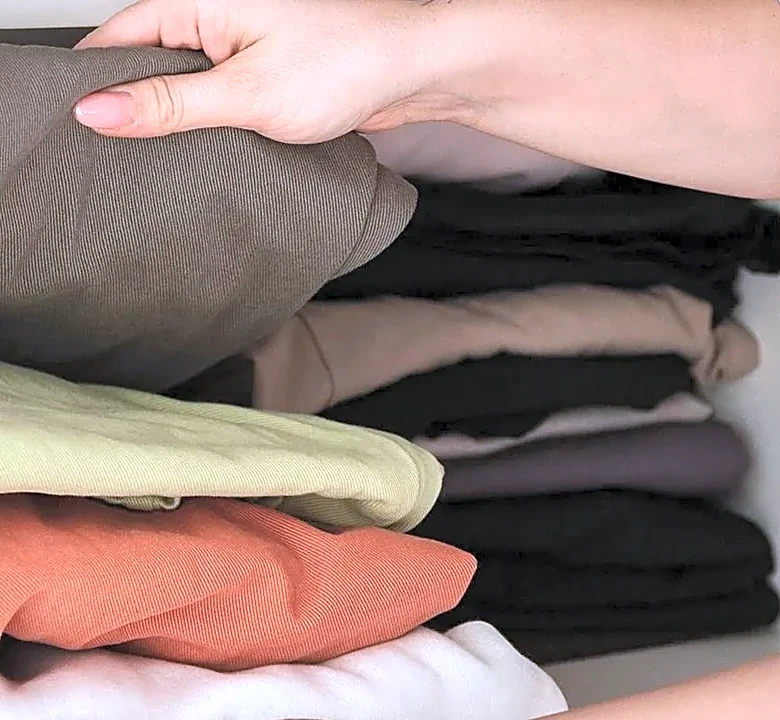
and well-being of workers throughout the supply chain. The authors argue that the rapid demand fueled by social media trends often obscures the true costs absorbed by workers, leading to production pressure, excessive working hours, and unsafe processes. They emphasize that a garment cannot be considered truly sustainable if its extended life comes at the expense of the health and safety of the people involved in its creation, movement, repair, and recycling. The article points out that while there's a growing focus on circularity, resale, and garment durability, the prevailing 'disposable culture' driven by fast fashion and microtrends undermines these efforts. The authors advocate for a shift in influencer marketing from promoting constant purchasing to encouraging reuse, repair, and conscious consumption.
Why It's Important?
This perspective is crucial for the U.S. fashion industry and its consumers, as it challenges the superficial understanding of 'sustainability' often presented in marketing. Many U.S. brands source globally, and the ethical implications of their supply chains directly impact their reputation and consumer trust. The emphasis on worker welfare highlights potential legal and ethical liabilities for companies that fail to ensure safe and fair labor practices. For consumers, it encourages a more critical evaluation of fast fashion's true cost, potentially shifting purchasing habits towards more ethically produced and durable goods. This could lead to increased demand for transparency and accountability from U.S. fashion retailers and manufacturers, influencing policy discussions around labor standards and supply chain oversight in the industry. The report suggests that without addressing human well-being, the circular economy model remains incomplete and unsustainable.
What's Next?
The authors propose a new toolkit, developed by IOSH and Leeds Beckett University, to assist independent designers and small fashion businesses in understanding their influence over worker health, safety, and well-being. This toolkit aims to guide designers in setting clear expectations for suppliers, mitigating risks, and making ethical purchasing decisions. Influencers are encouraged to pivot their content from promoting 'hauls' and constant new purchases to advocating for restyling, repair, resale, and garment longevity. This shift could lead to greater transparency in the industry, with consumers asking more questions about garment origins and brands being held more accountable for their sustainability claims. The long-term goal is to foster interconnected longevity across product, business, and human aspects of the fashion industry, ensuring garments are valued longer, businesses are resilient, and workers are safe and healthy.
Beyond the Headlines
The article delves into the ethical and cultural dimensions of fast fashion, highlighting how social media's influence has normalized rapid consumption and disposability. It suggests that the current model, which prioritizes speed and low cost, externalizes significant human and environmental costs. The call to reframe influencers as part of the solution, rather than just a driver of consumption, points to a potential cultural shift in how fashion is perceived and consumed. This could lead to a broader societal re-evaluation of consumerism and the value placed on goods, moving towards a model that values craftsmanship, durability, and ethical production. The emphasis on 'de-influencing' and conscious consumption could trigger a long-term shift in consumer behavior, impacting not just fashion but other industries reliant on rapid turnover and low-cost production.