







What's Happening?
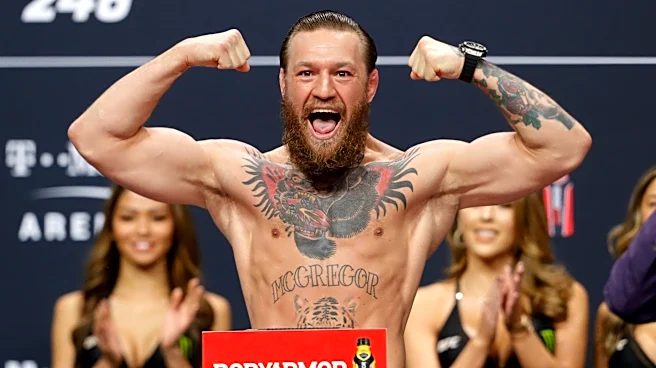
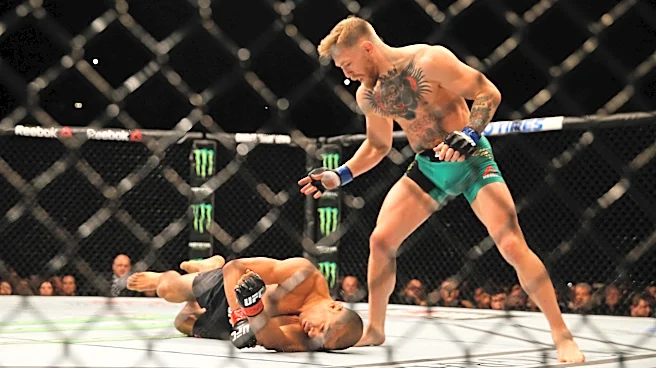
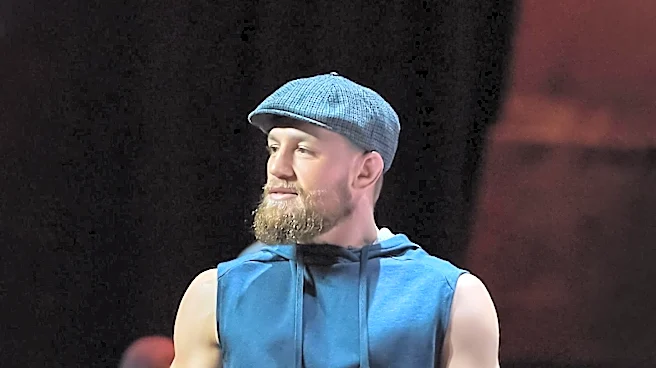
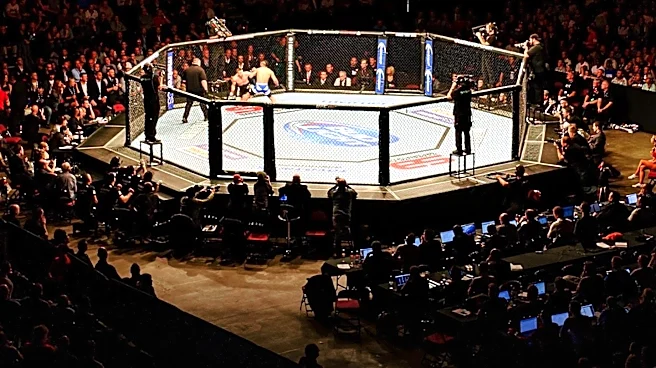
Conor McGregor is set to return to the UFC octagon for the first time in five years, facing Max Holloway at UFC 329. During a media day event, McGregor reflected on the personal and professional challenges he has faced over the past few years, including
legal issues and the impact of fame. He expressed a renewed sense of appreciation for the opportunity to fight again and addressed past controversies, including a highly-publicized sexual assault case. McGregor's return is marked by a mix of humility and the trademark bravado that has characterized his career, as he aims to prove his critics wrong and reestablish his position in the sport.
Why It's Important?
McGregor's return to the UFC is significant for both the fighter and the organization. As one of the most recognizable figures in mixed martial arts, McGregor's presence in the octagon draws substantial attention and has the potential to boost viewership and revenue for the UFC. His return also provides an opportunity for redemption and a chance to reshape his legacy after a period marked by legal and personal challenges. For fans and the sport as a whole, McGregor's comeback adds excitement and intrigue to the UFC landscape, as his performance could influence future matchups and the overall dynamics of the welterweight division.
What's Next?
Following the fight, the outcome will likely determine McGregor's future trajectory in the UFC. A victory could pave the way for high-profile matchups and a potential title shot, while a loss may prompt questions about his competitive viability after a long hiatus. The fight's result will also impact Holloway's standing in the division, as he seeks to establish himself at welterweight. Stakeholders, including UFC officials and sponsors, will be closely monitoring the event's success and its implications for future events. Additionally, McGregor's performance and conduct may influence public perception and his marketability as a fighter.