







What's Happening?
In 1983, Jack Nicholson was initially slated to star in 'The Mosquito Coast,' a film directed by Peter Weir. Nicholson had even discussed the project publicly, expressing enthusiasm for certain scenes. However, he eventually dropped out of the literary
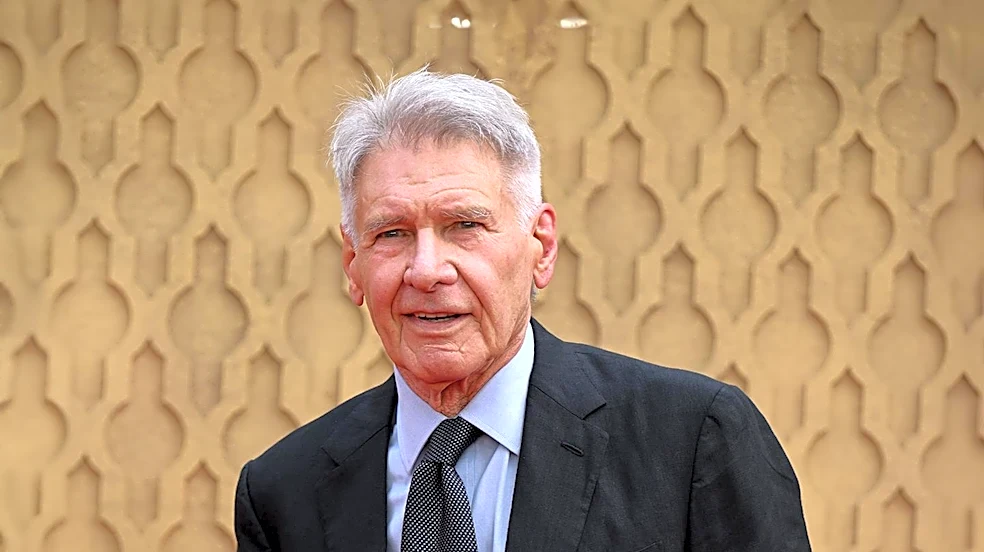
adaptation due to a pay dispute with the producers. Screenwriter Paul Schrader indicated that Nicholson's departure was a 'pissing contest' over salary. Subsequently, Harrison Ford was cast in the lead role of Allie Fox, reportedly receiving the same salary Nicholson had requested. Ford later recalled the film as some of his best work, despite mixed critical and audience reception. He was unaware that Nicholson was the original choice for the role until after he had taken it.
Why It's Important?
This casting change highlights the complex dynamics of Hollywood productions, where financial negotiations can significantly alter a film's trajectory and creative outcome. The incident underscores how A-list actors' demands and producers' willingness to meet them can shape cinematic history. For audiences, it offers a glimpse into the 'what if' scenarios of film, as Nicholson's portrayal of Allie Fox would likely have been vastly different from Ford's, given their distinct acting styles. The fact that Ford received the same salary Nicholson was denied also points to the often-unpredictable nature of talent negotiations and the perceived value of stars in the industry. This event showcases how business decisions in film production directly impact artistic choices and the final product seen by the public.
What's Next?
While this event is historical, it continues to be a point of discussion in film retrospectives and analyses of actor careers. Such stories contribute to the lore of Hollywood, influencing how future casting decisions are perceived and negotiated. The anecdote serves as a reminder for industry professionals about the potential consequences of salary disputes and the impact of star power on project development. For film enthusiasts, it encourages speculation about alternative cinematic universes where different actors took on iconic roles, fostering ongoing critical discussion about performance and interpretation. The legacy of 'The Mosquito Coast' is partly defined by this behind-the-scenes drama, adding another layer to its cultural footprint.
Beyond the Headlines
The story of Nicholson's replacement by Ford in 'The Mosquito Coast' delves into the broader themes of artistic integrity versus commercial viability in filmmaking. Schrader's comment about the film potentially being 'much better' with Nicholson raises questions about the true cost of financial disagreements in creative industries. It also highlights the power dynamics between actors, producers, and directors, where ego and money can sometimes overshadow artistic vision. This situation exemplifies how the business side of Hollywood can directly influence the creative output, leading to debates about whether the 'right' actor was ultimately cast. It also subtly touches on the idea of an actor's 'type' and how casting against type, as Ford did in this role, can lead to both critical re-evaluation and personal satisfaction for the performer, regardless of public reception.