







What's Happening?
Traders on the prediction market platform Kalshi believe that inflation in the U.S. may have peaked in May 2026, as energy prices have started to decline. The Consumer Price Index (CPI) for May showed an annual inflation rate of 4.2%, but with the partial
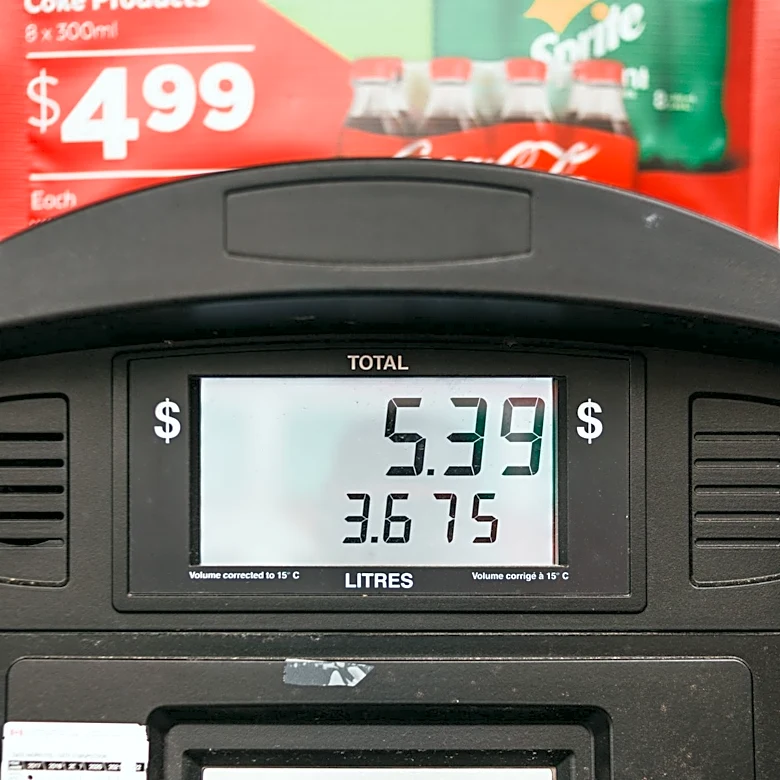
reopening of the Strait of Hormuz, oil and gas prices have fallen, leading to a decrease in inflationary pressures. As of late June, national gasoline prices have dropped to $3.84 per gallon, down from over $4.50. Kalshi traders estimate a 28% chance that inflation will exceed 4.2% this year. The next CPI report, which will provide data for June, is expected from the Bureau of Labor Statistics on July 14.
Why It's Important?
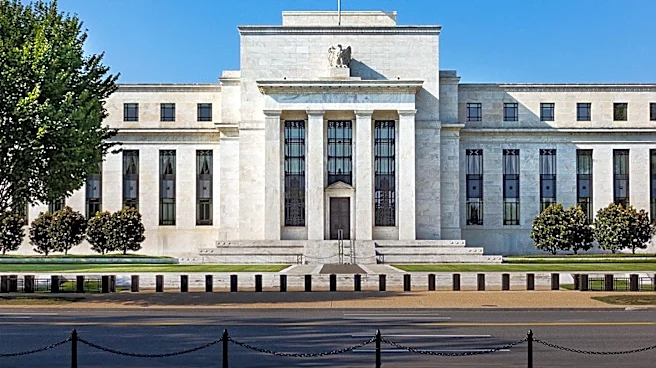
The potential peaking of inflation is significant for the U.S. economy as it may influence the Federal Reserve's monetary policy decisions. Lower inflation could reduce the need for aggressive interest rate hikes, which have been a concern for businesses and consumers. The decline in energy prices, a major driver of inflation, could alleviate cost pressures on households and businesses, potentially boosting consumer spending and economic growth. However, the ongoing geopolitical tensions, particularly the U.S.-Iran conflict, continue to pose risks to energy markets and inflation stability.
What's Next?
The upcoming CPI report for June will be crucial in confirming whether inflation has indeed peaked. If inflation continues to decline, it may lead to a more stable economic environment, allowing the Federal Reserve to adjust its policy stance. Market participants and policymakers will closely monitor energy prices and geopolitical developments, as these factors will significantly impact inflation trends and economic forecasts.