




What's Happening?
Ayurvedic Panchakarma therapies are being utilized to address knee pain, with a focus on individualized treatment plans. These traditional Ayurvedic procedures, such as Janu Basti, Abhyanga (oil massage), Swedana (herbal steam therapy), and Basti treatment,
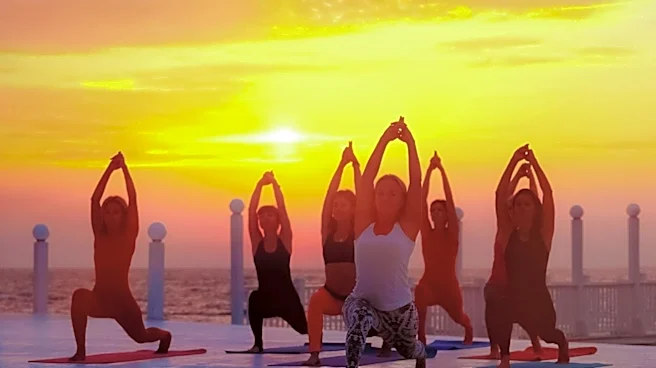
are selected based on a person's specific condition, constitution, age, lifestyle, digestion, and doshic balance. The goal of these therapies is to improve joint comfort and function, reduce stiffness, and support general musculoskeletal health, rather than offering an instant cure for structural changes like those seen in osteoarthritis. For instance, Janu Basti involves retaining warm herbal oil on the knee, while Abhyanga uses specific oils and techniques for muscle relaxation. Swedana provides heat therapy, and Basti treatment addresses Vata dosha imbalances. Kewalya Yogshala, for example, integrates these Ayurvedic practices with yoga and other wellness knowledge, promoting a comprehensive approach to managing knee discomfort.
Why It's Important?
The application of Ayurvedic Panchakarma therapies for knee pain is significant as it offers a complementary or alternative approach to conventional pain management, particularly for chronic conditions like arthritis and osteoarthritis. This individualized, holistic method considers the patient's entire physiological and lifestyle context, which can lead to more personalized and potentially sustainable relief. For the U.S. healthcare system, where chronic pain is a major public health issue, the exploration of such traditional therapies could provide valuable insights and expand treatment options beyond pharmaceuticals and surgery. It highlights the growing interest in integrative medicine and the potential for ancient practices to address modern health challenges. The emphasis on natural methods and lifestyle modifications also aligns with a broader movement towards preventive care and patient empowerment in managing their own health.
What's Next?
Individuals experiencing knee pain, including those with recurrent stiffness, mild joint pain, or certain cases of arthritis/osteoarthritis, may consider Panchakarma therapies after a professional assessment. The selection of therapies will continue to be tailored to the individual's age, health status, medications, and overall condition. It is crucial that these treatments are undertaken under the guidance of a qualified Ayurvedic practitioner and are not considered a substitute for necessary medical evaluation, especially for pain resulting from major injury or infection. The integration of yoga and gentle movement with Ayurvedic wellness plans is also expected to continue. This approach suggests a future where traditional therapies are increasingly recognized for their potential in managing chronic conditions, prompting further research and collaboration between conventional and alternative medicine practitioners to optimize patient care.
Beyond the Headlines
The use of Ayurvedic Panchakarma for knee pain delves into the deeper philosophical underpinnings of health and healing, where the body is viewed as an interconnected system rather than a collection of isolated parts. This holistic perspective challenges the Western medical model's tendency to treat symptoms in isolation, instead focusing on restoring balance within the body's fundamental energies (doshas). Ethically, it promotes a patient-centered approach, respecting individual differences and empowering patients to engage in their healing journey through lifestyle and dietary adjustments. Culturally, it underscores the enduring relevance of ancient wisdom in addressing contemporary ailments, fostering a dialogue between traditional knowledge and modern scientific understanding. The long-term implications could include a paradigm shift in pain management, moving towards more natural, less invasive, and personalized interventions, and a greater appreciation for the role of lifestyle and environment in chronic disease. This could also lead to a more integrated healthcare system that values and incorporates diverse healing traditions.