




What's Happening?
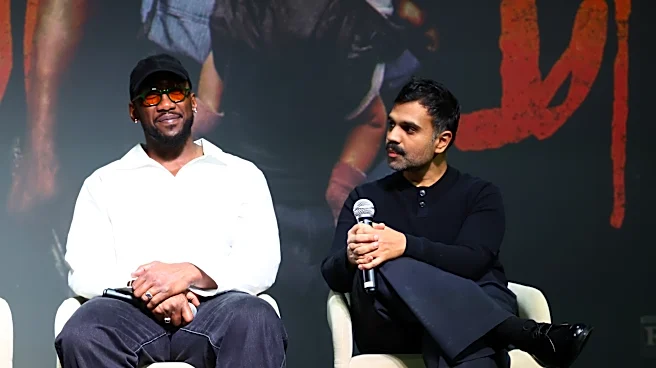
Bassam Tariq, who was previously attached to direct Marvel's 'Blade' film starring Mahershala Ali, has revealed his reasons for exiting the project. In an interview with The New Arab, Tariq stated, "Life’s too short to make sh** films," emphasizing his need
for full creative control over the script. He expressed frustration with the process of casting and building the film without a finalized script, which he felt compromised his integrity and credibility with actors. Tariq explained that being the bearer of bad news to actors about decisions made by a corporate entity, rather than himself, was not a healthy way to operate as a filmmaker. He noted that while he had high hopes for the project, disagreements over creative direction led to his departure. Despite not directing Ali in 'Blade,' they later collaborated on Tariq's film 'Your Mother Your Mother Your Mother.' A silver lining from his exit was that some of the costumes intended for 'Blade' were repurposed for the film 'Sinners.'
Why It's Important?
Bassam Tariq's candid explanation for his departure from Marvel's 'Blade' project highlights a recurring tension within the film industry, particularly between creative talent and major studios like Marvel. The issue of creative control versus corporate oversight is a critical factor that can influence the quality and artistic integrity of a film. Tariq's insistence on script control and his concern for maintaining credibility with actors underscore the challenges directors face when working within large franchise systems, where creative decisions can be centralized and subject to multiple layers of approval. This situation is important because it sheds light on the internal dynamics of blockbuster productions and the potential for creative differences to lead to significant personnel changes. For Marvel, such high-profile exits can raise questions about their collaborative process and their ability to retain top directorial talent, potentially impacting future projects and their reputation within the creative community. It also emphasizes the value that filmmakers place on artistic freedom, even when offered the opportunity to direct a major studio tentpole.
What's Next?
Following Bassam Tariq's departure, Marvel will continue with the 'Blade' project, likely seeking a new director who aligns with their creative vision and production process. The film, starring Mahershala Ali, has faced several delays and creative shifts, and finding a stable directorial hand will be crucial for its progression. Tariq, meanwhile, will continue to focus on projects where he can maintain full creative control, as evidenced by his work on 'Your Mother Your Mother Your Mother.' His experience with 'Blade' may influence his future choices, potentially leading him to prioritize independent films or projects with clearer creative boundaries. The 'Blade' film's future will depend on Marvel's ability to secure a director who can navigate the complexities of a major studio production while delivering a compelling vision for the character. The repurposing of 'Blade' costumes for 'Sinners' also suggests a practical approach to resource management in the industry.
Beyond the Headlines
Bassam Tariq's decision to walk away from a high-profile Marvel project like 'Blade' due to creative control issues speaks to a broader ethical and artistic debate within Hollywood. It challenges the notion that directing a major superhero film is the ultimate career aspiration for every filmmaker. Tariq's emphasis on integrity and the desire to avoid making 'sh** films' highlights a commitment to artistic quality over commercial opportunity, a stance that resonates with many independent filmmakers. This situation also brings to light the often-opaque nature of studio development processes, where projects can move forward without fully fleshed-out scripts, creating an unstable environment for directors and actors. The ethical dilemma for directors becomes whether to compromise their artistic vision for the sake of a large platform or to prioritize creative freedom, even if it means stepping away from a lucrative opportunity. This incident could serve as a cautionary tale for aspiring directors about the realities of working within major studio systems and the importance of negotiating creative autonomy.