





What's Happening?
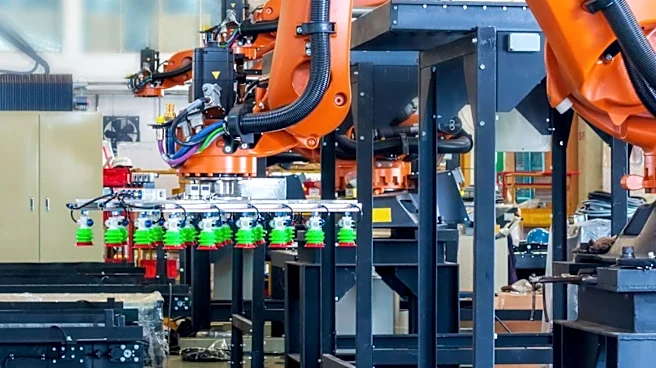
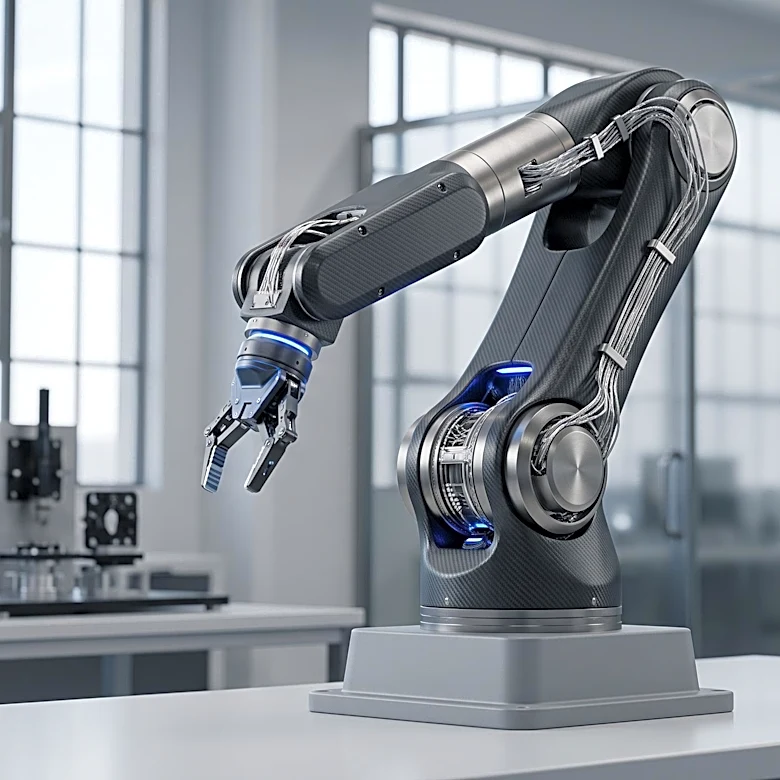
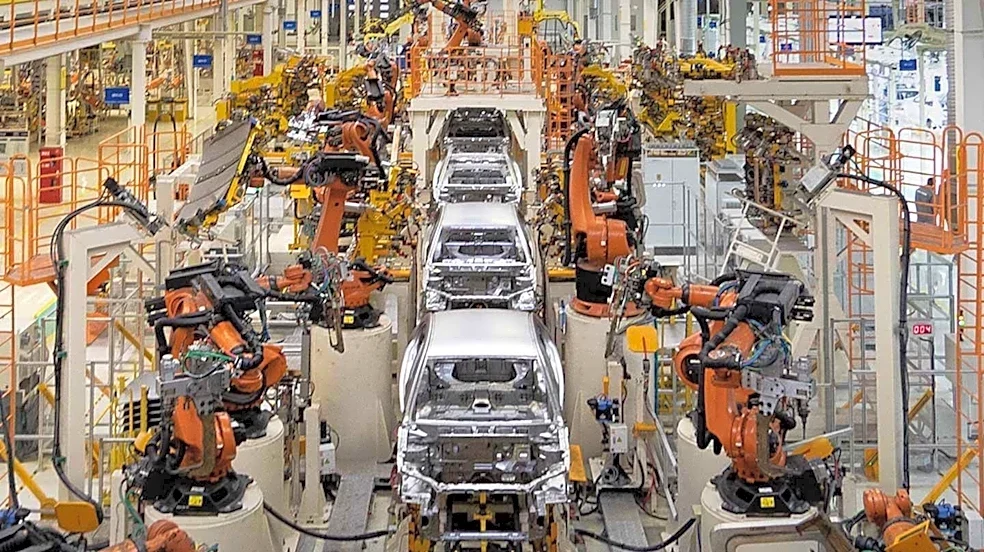
South Korean robot manufacturers are significantly increasing their involvement in factory production lines through the integration of artificial intelligence (AI) and advanced automation technologies. Companies like Power Auto Robotics are expanding
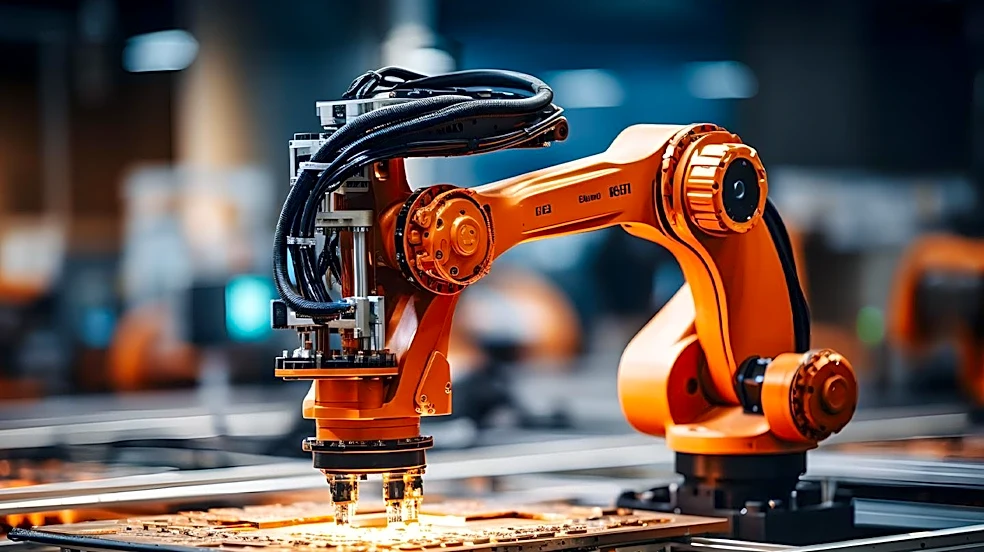
their 'dark factory' business model, which aims to remove human workers from entire plants. Power Auto Robotics' i-Series robots, for instance, utilize cameras to identify and insert components into printed circuit boards, having supplied 97 units to 22 customers, including major electronics manufacturers like Samsung Electronics and LG Electronics. They are now extending their reach into automotive electronics and semiconductors. Neuromeka is also advancing with its Physical Skill Foundation (PSF), an in-house developed physical AI platform that enables robots to recognize objects and determine necessary movements autonomously, reducing the need for individual configuration by engineers. Samhyun, initially a specialist in automotive drive components, is now moving into finished robots and comprehensive manufacturing and logistics automation solutions, including humanoid actuators and heavy-payload autonomous mobile robots.
Why It's Important?
The aggressive push by South Korean robot makers into AI-based factory automation signifies a major shift in global manufacturing paradigms. This trend is crucial for the U.S. as it impacts global supply chains, manufacturing competitiveness, and the future of labor. Increased automation can lead to higher efficiency, reduced production costs, and improved quality, potentially making products more competitive internationally. However, it also raises questions about job displacement in traditional manufacturing sectors and the need for workforce retraining. For U.S. industries, this advancement means either adopting similar technologies to remain competitive or facing potential disadvantages in cost and speed of production. The development of 'dark factories' and advanced AI-driven robots could accelerate the reshoring of manufacturing to countries with high automation capabilities, influencing trade balances and industrial policy discussions in the U.S. The global demand for industrial robots, which exceeded 600,000 units last year, underscores the widespread adoption of these technologies.
What's Next?
The ongoing advancements in AI-based robotics suggest a future where manufacturing processes are increasingly autonomous. Companies like Neuromeka are conducting trials to apply physical AI to mass-production lines by 2027, indicating a rapid commercialization timeline. Samhyun has already secured an initial mass-production order from a North American humanoid manufacturer, with deliveries expected to begin in December, signaling the global reach of these technologies. The integration of AI, robotics, logistics, and data into single production lines is expected to widen the scope of unmanned operations. This will likely lead to further investment in research and development, as well as the establishment of new industry standards for safety and interoperability. The U.S. will need to monitor these developments closely, potentially investing in domestic robotics capabilities and addressing the societal implications of widespread automation, such as workforce adaptation and ethical considerations.
Beyond the Headlines
Beyond the immediate economic and industrial implications, the rise of AI-powered factory automation raises profound ethical and societal questions. The concept of 'dark factories' where human presence is minimal challenges traditional notions of work and employment. While proponents argue for increased productivity and safety, critics voice concerns about the long-term impact on human labor and the potential for widening economic inequality. The ability of robots to learn and adapt through physical AI, as demonstrated by Neuromeka's PSF, blurs the lines between automated tasks and intelligent decision-making, prompting discussions about accountability and control in highly autonomous systems. Furthermore, the global race in robotics, with countries like China scaling humanoid robot production rapidly, highlights the geopolitical dimensions of technological leadership. The U.S. will need to navigate these complex issues, balancing innovation with social responsibility and strategic competitiveness.