





What's Happening?
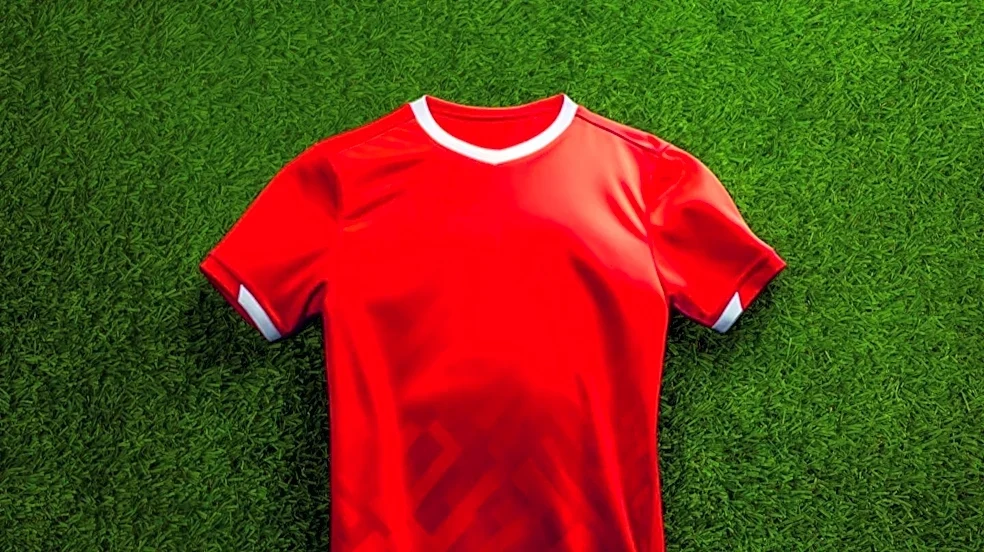
An article provides a comprehensive guide to sports T-shirts, detailing various types, key considerations for selection, and principles for choosing the right product to meet athletic needs. It emphasizes that sports T-shirts are specialized garments
designed for comfort and breathability during physical activities, distinguishing them from regular cotton T-shirts. These specialized shirts are typically crafted from technical fabrics such as polyester, nylon, or blends, which are engineered to wick moisture away from the body. This functionality helps regulate body temperature, keeping the wearer cool and dry. The guide also notes that sports T-shirts come in various designs, from fitted to loose, to accommodate different athletic requirements and preferences.
Why It's Important?
Understanding the types and selection criteria for sports T-shirts is important for athletes and active individuals as it directly impacts performance, comfort, and injury prevention. Choosing the correct athletic wear can enhance a person's ability to train and compete effectively by managing body temperature and reducing chafing. The use of moisture-wicking fabrics is crucial for maintaining a dry and comfortable state, which can prevent skin irritation and improve overall focus during exercise. For the sports apparel industry, this guide highlights the ongoing innovation in fabric technology and design, driven by consumer demand for high-performance and specialized gear. This focus on functional apparel contributes to a healthier and more active lifestyle for the general public, making physical activity more accessible and enjoyable. Furthermore, the emphasis on durability and weather appropriateness ensures that consumers make informed purchasing decisions, leading to greater satisfaction and value from their athletic wear.
What's Next?
The sports apparel industry is expected to continue evolving with further advancements in material science and design. Future trends indicate a shift towards sustainability, with innovations such as biodegradable materials and the use of recycled ocean plastics becoming more prevalent. Additionally, the integration of smart technology into sports T-shirts, such as built-in heart rate monitors and other wearable tech, is gaining popularity. This evolution caters to increasing consumer demands for eco-friendly and multifunctional sportswear. Manufacturers will likely focus on developing products that offer enhanced performance, comfort, and environmental responsibility. Consumers can anticipate a wider range of specialized T-shirts tailored to specific sports and environmental conditions, making it easier to find the perfect gear for their athletic pursuits. The market will also see continued competition among brands to offer the most innovative and effective athletic wear.
Beyond the Headlines
Beyond the practical benefits of performance and comfort, the evolution of sports T-shirts reflects broader societal trends in health, wellness, and environmental consciousness. The demand for specialized athletic wear underscores a growing commitment to physical fitness and an active lifestyle among the U.S. population. The industry's move towards sustainable materials and ethical manufacturing practices highlights a growing consumer awareness of environmental impact and social responsibility. This shift can influence other sectors of the fashion industry to adopt more sustainable practices. Moreover, the integration of technology into apparel signifies a broader trend of smart textiles and wearable technology, blurring the lines between clothing and personal electronics. This convergence has implications for data collection, personalized health monitoring, and the future of human-technology interaction, potentially transforming how individuals approach their health and fitness routines.