





What's Happening?
A recent review of over 350 studies suggests that consuming less protein might be linked to healthier ageing by slowing down the biological ageing process in cells. The review, which primarily draws from animal studies, indicates that reducing protein intake
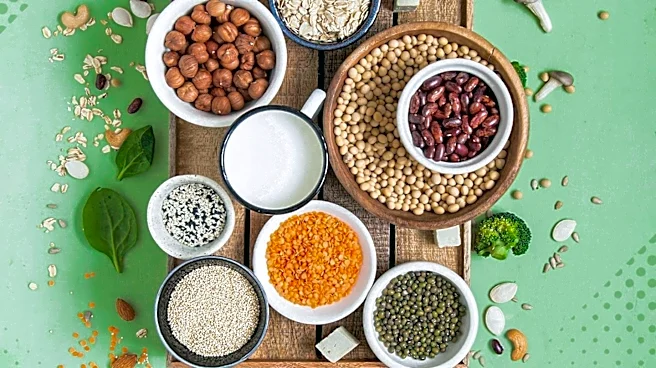
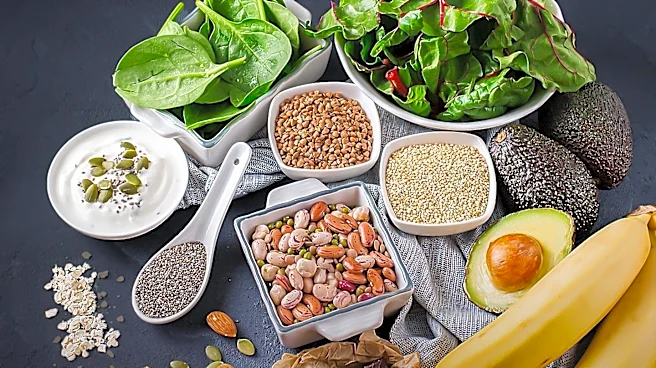
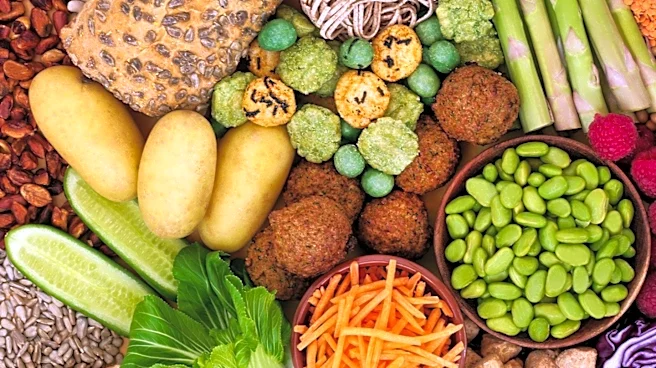
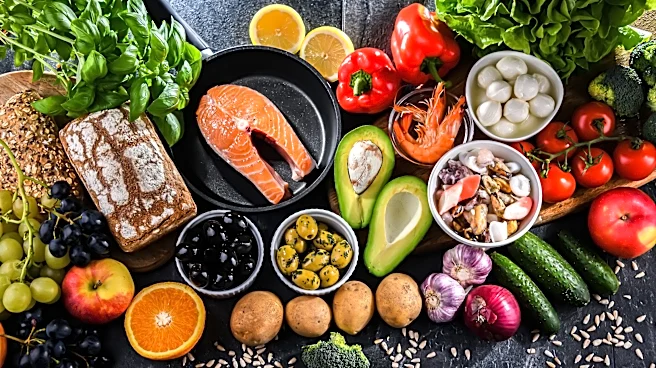
could alter energy use in the body, help remove damaged cellular components, and decrease the accumulation of ageing cells. However, the evidence is not definitive, especially for humans, as most data comes from controlled animal environments. The review highlights that while lower protein diets in animals have shown benefits, translating these findings to human dietary recommendations remains complex. The study emphasizes the importance of a balanced diet, noting that high-protein diets from sources like red and processed meats are linked to health risks, whereas plant-based proteins offer additional nutrients.
Why It's Important?
The findings could influence dietary guidelines and public health recommendations, particularly concerning ageing populations. If further research supports these findings, it could lead to a shift in how protein intake is managed, especially in older adults. The potential for dietary adjustments to impact longevity and healthspan is significant, as it could reduce healthcare costs and improve quality of life. However, the complexity of human biology and the need for more human-based research means that current protein recommendations remain unchanged. The study underscores the need for a holistic approach to diet, considering the source and type of protein consumed.