

What's Happening?
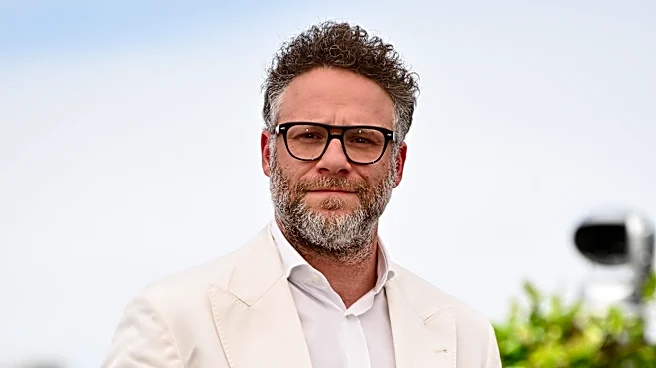
Seth Rogen has openly discussed the creative challenges he faced while co-writing and starring in Sony Pictures' 2011 film, 'The Green Hornet.' Rogen, known for his R-rated comedic work, expressed his dissatisfaction with the PG-13 restrictions imposed
on the movie, stating he "hated" knowing it could have been funnier but was not allowed to make it so. He shared these insights on the 'Happy Sad Confused' podcast. Rogen also recounted the film's early development, which initially involved Hong Kong filmmaker Stephen Chow as director and actor for the role of Kato. The project ultimately saw Jay Chou cast as Kato and Michel Gondry as director. Rogen views the experience as a significant learning curve, particularly in understanding film direction, despite the finished product not being an "elegant fit." The film's production also preceded a strained relationship between Rogen and Sony following the controversy surrounding his film 'The Interview,' which led to a major email hack at the studio.
Why It's Important?
Rogen's reflections highlight the ongoing tension between creative vision and studio commercial demands within the U.S. film industry. His experience with 'The Green Hornet' underscores how PG-13 ratings, often sought by studios to maximize audience reach and box office potential, can stifle the artistic integrity and comedic style of filmmakers known for more mature content. This dynamic affects not only the quality of individual films but also the career trajectories of artists and the types of projects they pursue. For Rogen and his creative partner Evan Goldberg, this experience solidified their preference for projects where they have greater creative control, leading them to focus more on television and animated films. This shift can influence the landscape of comedic content available to audiences, potentially leading to more diverse and creatively uninhibited storytelling in other mediums, while major studio blockbusters might continue to prioritize broader appeal over distinct artistic voices.
What's Next?
Following his experience with 'The Green Hornet,' Seth Rogen and Evan Goldberg have largely shifted their focus to television and animated projects, such as their Emmy-winning Apple TV show 'The Studio' and their involvement in new 'Teenage Mutant Ninja Turtles' animated films. Rogen has indicated that the 'Green Hornet' experience serves as a cautionary tale, influencing their decisions to decline involvement in other large-scale action franchises. While there have been attempts to reboot 'The Green Hornet' franchise with new live-action projects, such as a proposed film by Universal Pictures and director Leigh Whannell in 2022, these have not yet materialized. Rogen's current trajectory suggests a continued emphasis on projects that allow for more creative freedom, potentially leading to more innovative and less commercially constrained content from his production company, Point Grey Pictures.
Beyond the Headlines
The narrative surrounding 'The Green Hornet' extends beyond a simple box office disappointment, touching upon deeper implications within Hollywood's creative ecosystem. Rogen's candid admission about the constraints of a PG-13 rating for a comedic film raises questions about the industry's risk aversion and its impact on artistic expression. This situation reflects a broader trend where studios often prioritize established intellectual property and broad demographic appeal, sometimes at the expense of a director's or writer's unique voice. The subsequent strain in Rogen's relationship with Sony after 'The Interview' further illustrates the complex interplay between creative freedom, corporate interests, and geopolitical events. This incident, leading to a major studio hack, highlighted the vulnerabilities of corporate entities and the unexpected consequences that can arise from artistic endeavors, influencing how studios approach controversial subjects and manage talent relationships in the future.