




What's Happening?
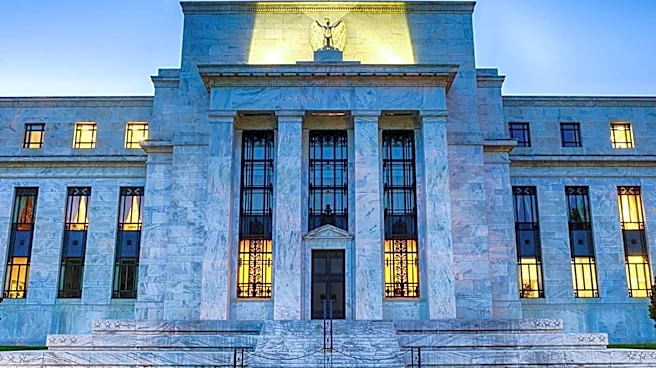
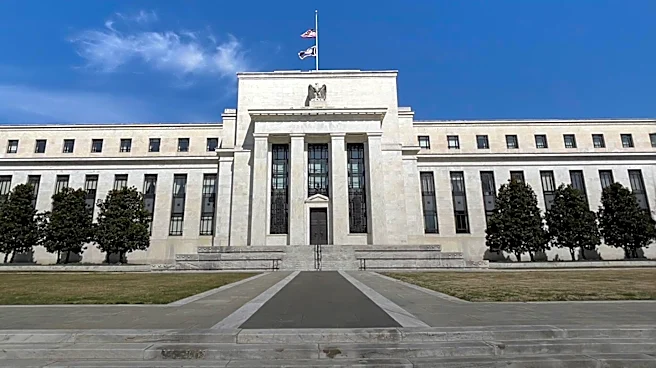
U.S. mortgage rates have reached their highest level in a year, with the average rate on a 30-year fixed mortgage climbing to 6.66% for the week ending July 30, 2026. This increase is attributed to rising Treasury yields following the Federal Reserve's
decision to keep its policy rate unchanged, despite some members advocating for a rate hike. Inflation concerns and geopolitical tensions, particularly involving Iran, have contributed to the upward pressure on long-term borrowing costs. The Federal Reserve's preferred inflation gauge, the Personal Consumption Expenditures (PCE) price index, showed a slowdown in June, but inflation remains above the central bank's 2% target.
Why It's Important?
The rise in mortgage rates poses a challenge to housing affordability, impacting prospective homebuyers and the broader housing market. Higher borrowing costs can deter home purchases and reduce housing market activity, which is a critical component of the U.S. economy. The Federal Reserve's commitment to restoring price stability is being tested as inflationary pressures persist. The geopolitical situation in the Middle East adds another layer of uncertainty, potentially affecting energy prices and further influencing inflation. The market's anticipation of future rate hikes could lead to continued volatility in financial markets.
What's Next?
Market participants will be closely monitoring upcoming economic data releases and Federal Reserve communications for indications of future policy moves. Any significant changes in inflation data or geopolitical developments could influence the Fed's decision-making process. The potential for additional rate hikes later in the year remains a key concern for financial markets and the housing sector. Stakeholders will also be watching for any policy measures aimed at addressing housing affordability and mitigating the impact of rising mortgage rates.