




What's Happening?
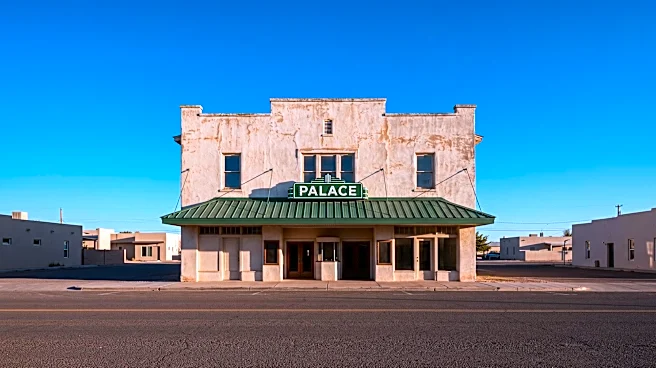
Marfa, Texas, a town with approximately 1,700 residents, is highlighted as a distinctive fall travel destination due to its unique blend of minimalist art, unusual installations, and unexplained phenomena. The town is home to the Chinati Foundation, a museum
established by artist Donald Judd in the 1970s, featuring large-scale minimalist art installations on a former army base. Another notable attraction is Prada Marfa, a non-functional art installation resembling a Prada store, permanently stocked with real Prada items but not for sale, situated in the desert scrubland. Fall is considered the optimal time to visit Marfa because the brutal West Texas summer heat subsides, making outdoor activities more comfortable. This includes viewing the Marfa Lights, mysterious glowing orbs that have been reported in the plains for over a century, from an official viewing platform east of town. The cooler evenings of October enhance the experience of observing these unexplained lights.
Why It's Important?
Marfa's recognition as a unique travel destination underscores the growing interest in niche tourism and cultural experiences beyond traditional vacation spots. For the U.S. tourism industry, towns like Marfa represent a valuable segment that attracts visitors seeking art, history, and the unconventional, contributing to local economies through hospitality, retail, and cultural institutions. The Chinati Foundation's international significance in minimalist art positions Marfa as a cultural hub, drawing art enthusiasts and scholars, which can lead to increased funding and support for the arts. The phenomenon of the Marfa Lights also taps into a broader public fascination with unexplained mysteries, potentially boosting local tourism during the fall season. This trend highlights how small towns can leverage unique assets, whether artistic or enigmatic, to create distinct identities and economic opportunities, offering an alternative model to mass tourism.
What's Next?
As Marfa continues to gain recognition as a fall travel destination, local businesses and the Chinati Foundation may anticipate an increase in visitors during the cooler months. This could lead to further development in local infrastructure, such as accommodations, dining options, and guided tours, to cater to the growing influx of tourists. The town might also explore additional ways to promote its unique attractions, potentially through art festivals, cultural events, or enhanced viewing experiences for the Marfa Lights. Continued interest in the town's quirky appeal could also inspire other small U.S. towns to identify and market their own distinctive characteristics to attract tourism, fostering a trend of 'experience-based' travel. Local authorities and community organizations will likely focus on managing the balance between preserving Marfa's unique character and accommodating increased tourism.
Beyond the Headlines
Marfa's appeal extends beyond its immediate attractions, touching upon deeper themes of artistic expression, environmental interaction, and the human fascination with the unknown. The presence of internationally significant minimalist art in a remote desert town challenges conventional notions of art exhibition spaces and accessibility, promoting a more immersive and site-specific engagement with art. Prada Marfa, as a permanent, non-commercial art installation, provokes thought on consumerism, luxury, and the juxtaposition of high fashion with a desolate landscape. The enduring mystery of the Marfa Lights taps into a collective human curiosity about unexplained phenomena, fostering local folklore and drawing visitors who seek experiences that transcend the ordinary. This blend of high art, social commentary, and unexplained natural occurrences positions Marfa as a microcosm for exploring the boundaries of culture, nature, and perception in the American landscape.