



What's Happening?
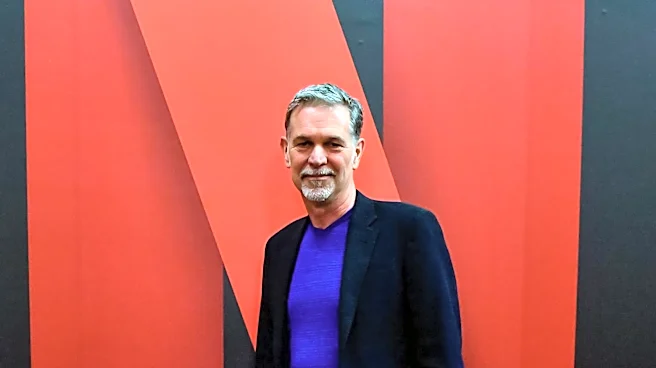
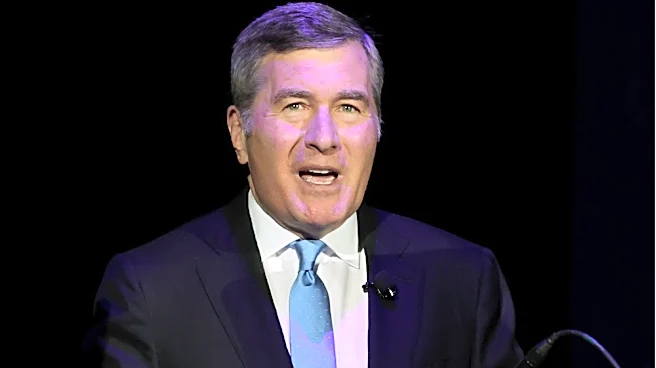
Netflix co-CEO Ted Sarandos emphasized the streaming giant's significant contributions to the French entertainment industry during the Paris premiere of 'Call My Agent! The Movie.' Sarandos stated that Netflix is 'vital' to the local entertainment community,
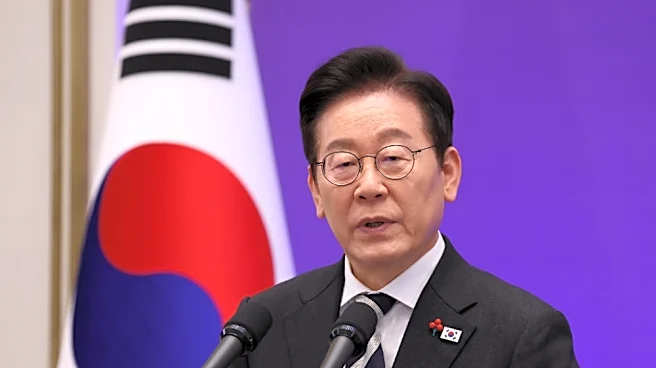
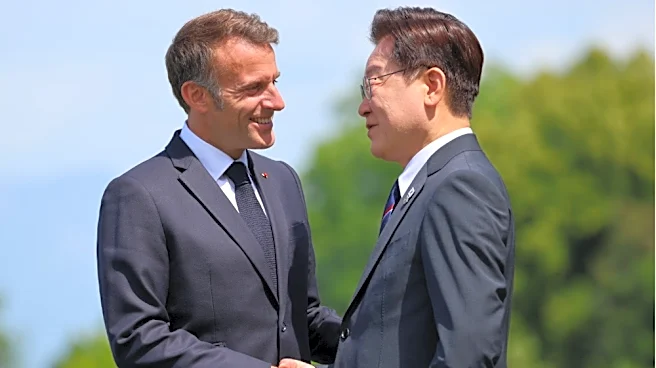
citing investments of $250 million in series and films, and an additional $50 million specifically in French cinema. This assertion comes amidst ongoing regulatory disputes in France, where Netflix, along with Amazon and Disney, has appealed to the Council of State, France's highest court, regarding new sub-quota requirements and the 17-month release window for newly released movies. Sarandos indicated that discussions with the French government are ongoing regarding these appeals. He also attended the Lumière Summit, co-hosted by French President Emmanuel Macron and South Korean President Lee Jae Myung, prior to the premiere event. The 'Call My Agent!' film, produced by Mediawan-owned Mon Voisin Productions and Mother Production with participation from France Télévisions, is a continuation of the popular series that gained global recognition after Netflix began streaming it.
Why It's Important?
This situation highlights the growing tension between global streaming platforms and national regulatory bodies, particularly in countries like France that have strong cultural protection policies. Netflix's substantial investment in French content demonstrates the economic impact and job creation potential that these platforms bring, but also underscores the challenges of balancing global business models with local content quotas and release windows. The outcome of these appeals could set a precedent for how international streaming services operate within regulated markets, influencing their investment strategies, content acquisition, and distribution models worldwide. For U.S. entertainment companies, the French regulatory environment serves as a case study for navigating similar challenges in other international markets, potentially affecting their global expansion and profitability. The debate also touches upon the broader discussion of cultural sovereignty in the digital age, as countries seek to preserve and promote their local creative industries against the backdrop of dominant global players.
What's Next?
Netflix will continue its ongoing conversations with the French government regarding the appeals to the Council of State concerning sub-quota requirements and the 17-month release window. The outcome of these legal challenges will be closely watched, as they could significantly impact Netflix's operational framework in France and potentially influence regulatory approaches in other European Union member states. Depending on the resolution, Netflix may need to adjust its investment strategies and content release schedules to comply with French law, or a compromise might be reached that allows for more flexibility. The success of 'Call My Agent! The Movie' and its potential sequel could further solidify Netflix's position as a key partner in French content production, potentially strengthening its leverage in future negotiations. Additionally, Sarandos hinted at a possible return to the Cannes Film Festival for its 80th edition, which would signify a thawing of relations following Netflix's absence since 2017 due to France's strict windowing rules.
Beyond the Headlines
The regulatory battle in France extends beyond mere financial investment and release schedules; it delves into fundamental questions about editorial freedom and cultural identity in the age of global streaming. Netflix's argument that French investment obligations are becoming too rigid and detrimental to its editorial freedom points to a broader conflict between the platform's global content strategy and national efforts to foster local narratives and talent. This struggle reflects a worldwide trend where countries are grappling with how to support their domestic film and television industries while benefiting from the reach and resources of international streamers. The 'Call My Agent!' series itself, which transitioned from a local French production to a global hit via Netflix, exemplifies the dual nature of this relationship: Netflix can amplify local content globally, but its operations are simultaneously subject to local regulations designed to protect cultural output. The resolution of these issues in France could influence how other nations approach similar challenges, shaping the future landscape of global entertainment production and distribution.