







What's Happening?
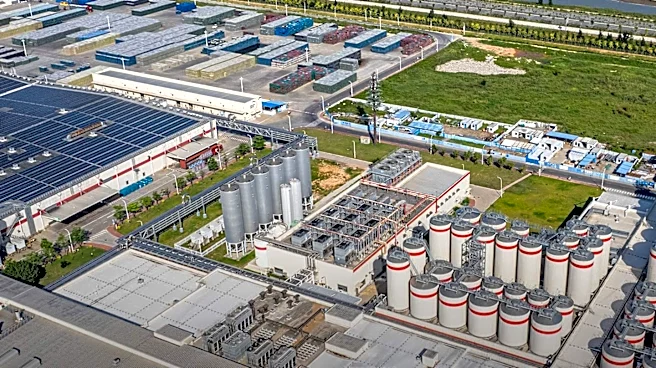
The U.S. Department of Commerce (DOC) has highlighted significant export opportunities for U.S. industrial technology suppliers as Mexico undergoes a major industrial transformation towards smart factories. Mexico, historically known for product assembly,
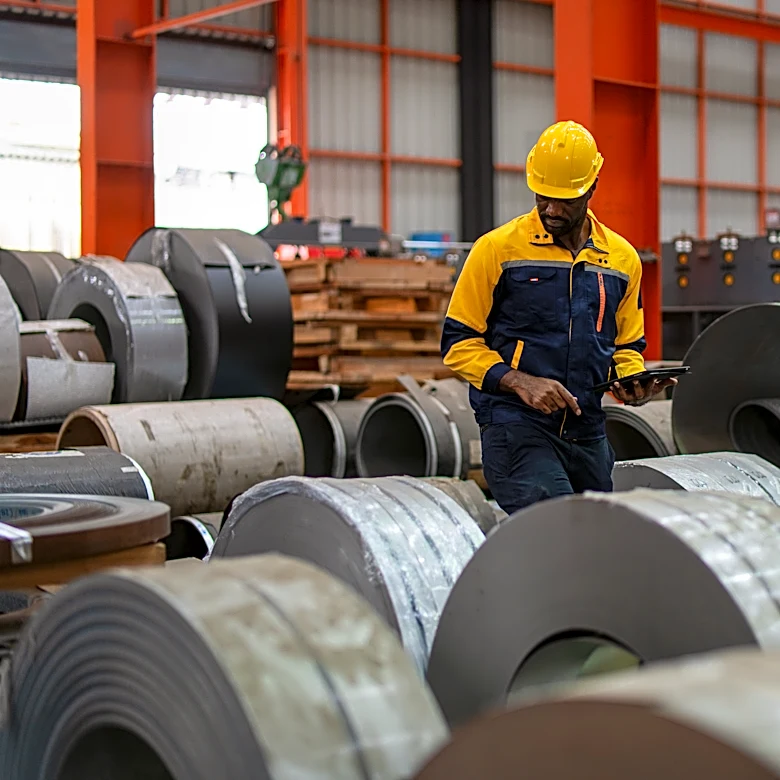
is modernizing its manufacturing plants with advanced automation, IoT, AI, data analytics, and cybernetics to boost productivity and innovation. This shift requires extensive technological upgrades in Mexican facilities, creating a substantial market for U.S. providers of advanced manufacturing solutions. Key sectors driving this demand include the automotive industry, which is transitioning to electric vehicle production, requiring new plant configurations and equipment modernization. Additionally, Mexico is expanding its semiconductor packaging and testing facilities, aerospace hubs in Querétaro and Chihuahua are demanding high-precision components, and the medical device cluster in Baja California needs highly automated and sterile assembly processes. These developments are further supported by new tax incentives in Mexico, offering immediate deductions on fixed assets for high-tech sectors and a fast-track authorization process for strategic supply chain projects.
Why It's Important?
This development is crucial for U.S. industrial technology suppliers, as it opens a lucrative export market for advanced manufacturing solutions. The modernization of Mexican factories directly translates into increased demand for U.S.-made automation equipment, IoT devices, AI software, and other related technologies. This can lead to job creation and economic growth within the U.S. manufacturing and technology sectors. For Mexico, the transition to smart factories signifies a move towards higher-value manufacturing, potentially enhancing its global competitiveness and attracting further foreign investment. The tax incentives offered by Mexico are designed to accelerate this transformation, making it an attractive destination for manufacturers looking to upgrade their operations. The focus on sectors like electric vehicles, semiconductors, aerospace, and medical devices also aligns with global trends towards advanced manufacturing and could strengthen North American supply chains, making them more resilient and efficient.
What's Next?
U.S. industrial technology suppliers are expected to increase their focus on the Mexican market, leveraging the opportunities presented by the ongoing industrial transformation. This could involve expanding sales operations, establishing partnerships with Mexican manufacturers, and tailoring solutions to meet the specific needs of sectors like automotive, aerospace, and medical devices. The Mexican government's continued implementation of tax incentives and streamlined investment processes will likely further accelerate the adoption of smart factory technologies. As Mexican manufacturing plants upgrade, there will be a continuous demand for maintenance, software updates, and new technological integrations, creating long-term business prospects for U.S. companies. The success of these upgrades could also influence other developing economies to pursue similar industrial modernization strategies, potentially opening up new markets for U.S. technology exports in the future.
Beyond the Headlines
The shift towards smart factories in Mexico, driven by U.S. technological input, has broader implications for regional economic integration and technological advancement. It signifies a deepening of economic ties between the U.S. and Mexico, moving beyond traditional trade in finished goods to a more integrated technological ecosystem. This modernization could also lead to a more skilled workforce in Mexico, as the adoption of advanced technologies necessitates new expertise in areas like AI, IoT, and robotics. Furthermore, the emphasis on high-tech sectors like semiconductors and electric vehicles could position Mexico as a critical player in global supply chains for these strategic industries, reducing reliance on other regions. This technological convergence could also foster greater collaboration in research and development between the two countries, driving innovation and setting new standards for manufacturing efficiency and sustainability in North America.