








What's Happening?
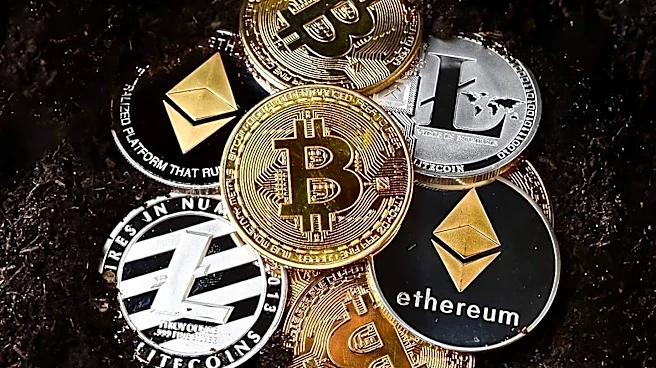
Ethereum (ETH) functions as the native currency for transaction fees on its blockchain network and underpins a broad ecosystem of decentralized applications (dApps). This includes decentralized finance (DeFi) platforms for lending and trading, non-fungible
tokens (NFTs) for digital assets, play-to-earn gaming, and decentralized autonomous organizations (DAOs). The Ethereum network operates on a blockchain where transactions are signed with a sender's private key and executed by the Ethereum Virtual Machine (EVM) across all network nodes. To manage network congestion and incentivize transaction validation, ETH is used as a fee, known as 'gas.' Users must specify a gas limit and a fee they are willing to pay to network validators for their transactions to be included in the blockchain. Ethereum also introduced the concept of smart contracts, which are self-executing agreements with terms directly coded onto the blockchain, ensuring transparency and immutability without third-party enforcement. The network can also host other cryptocurrencies, or tokens, created using its ERC20 compatibility standard.
Why It's Important?
The widespread adoption and utility of Ethereum are critical for the ongoing development and expansion of the decentralized digital economy in the U.S. and globally. Its role as a foundational platform for DeFi, NFTs, and DAOs signifies a shift towards more transparent, immutable, and user-controlled financial and organizational structures. For U.S. industries, this means new avenues for innovation in finance, gaming, and digital asset creation, potentially disrupting traditional sectors by offering alternatives to centralized systems. The 'gas' fee mechanism is vital for network security and efficiency, preventing spam and ensuring that validators are compensated for their computational efforts. This economic model directly impacts the cost and speed of transactions, influencing user adoption and developer activity. The ability to host ERC20 tokens further solidifies Ethereum's importance as an interoperable platform, fostering a diverse and interconnected blockchain ecosystem that can attract significant investment and talent.
What's Next?
The future of Ethereum will likely involve continued evolution of its underlying technology and expansion of its use cases. Ongoing developments, such as upgrades to improve scalability and reduce transaction costs, will be crucial for its sustained growth and broader adoption. As the ecosystem matures, regulatory bodies in the U.S. may increasingly focus on how to classify and oversee various aspects of the Ethereum network, including DeFi protocols and NFTs, which could introduce new compliance requirements for businesses and users. The competition from other blockchain platforms offering similar functionalities will also drive innovation within the Ethereum community. Furthermore, the increasing integration of Ethereum-based solutions into traditional industries could lead to new partnerships and investment opportunities, potentially accelerating the mainstream acceptance of decentralized technologies.
Beyond the Headlines
Beyond its immediate applications, Ethereum represents a significant paradigm shift in how value is exchanged and agreements are made in the digital realm. The concept of smart contracts, in particular, has profound implications for legal frameworks and trust mechanisms, potentially reducing the need for intermediaries in various transactions. This could lead to a re-evaluation of traditional business models and legal practices. The decentralized nature of Ethereum also raises questions about governance and accountability, as DAOs challenge conventional corporate structures. The environmental impact of blockchain technology, particularly the energy consumption associated with transaction validation, remains a critical ethical consideration, prompting ongoing efforts to transition to more sustainable consensus mechanisms. Ultimately, Ethereum's continued development could reshape not only financial systems but also broader societal interactions, fostering a more open, programmable, and interconnected digital world.