






What's Happening?
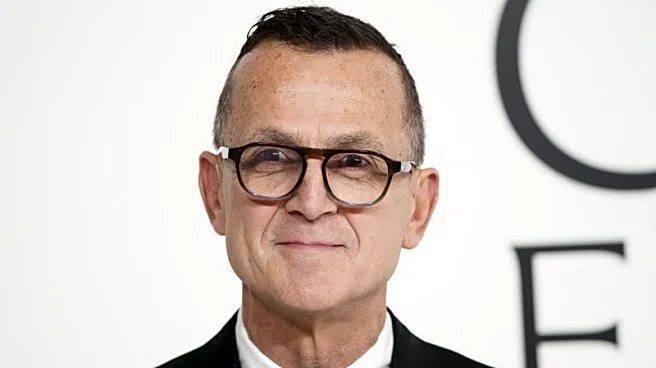
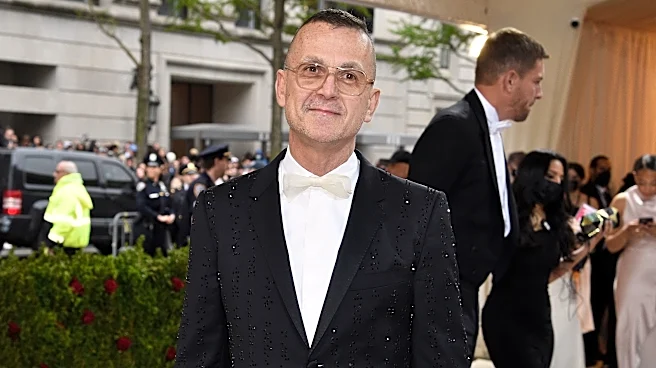
People for the Ethical Treatment of Animals (PETA) is planning a meeting with Steven Kolb, the chief executive of the Council of Fashion Designers of America (CFDA), after Kolb was filmed physically restraining two PETA protesters at a New York Fashion Week
runway show. Moira Colley, PETA's senior director of media relations in New York, confirmed the planned meeting, stating that the organization aims to discuss ending the use of wool and animal skins in clothing. Kolb has since apologized for his actions, which included forcefully restraining two PETA employees and covering their mouths, and is currently on leave from his position pending an investigation. PETA initially considered filing a police report but decided to pursue a meeting with Kolb instead, hoping to reach an understanding that benefits animals.
Why It's Important?
This incident highlights the ongoing tension between animal rights activism and the fashion industry, particularly concerning the use of animal products. Steven Kolb's actions, captured on video, brought significant public attention to the issue and sparked debate within the fashion world about appropriate responses to protests. The CFDA, as a prominent industry organization, faces scrutiny regarding its stance on ethical sourcing and animal welfare. PETA's decision to engage in dialogue rather than solely pursue legal action suggests a strategic shift towards direct negotiation with industry leaders. This meeting could potentially influence future policies within the fashion industry regarding the use of animal materials, impacting designers, manufacturers, and consumers. It also underscores the power of public demonstrations and media coverage in bringing animal welfare concerns to the forefront of public discourse.
What's Next?
The upcoming meeting between PETA and Steven Kolb will be a critical next step. PETA intends to present Kolb with videos demonstrating the mistreatment of sheep for wool production, aiming to persuade him to advocate for the elimination of animal skins and wool from fashion. Kolb's response and the CFDA's subsequent actions will be closely watched by both animal rights activists and the fashion industry. Depending on the outcome of the meeting, there could be further protests, policy changes within the CFDA, or increased pressure on designers to adopt cruelty-free alternatives. The incident may also prompt other fashion organizations to re-evaluate their security protocols and engagement strategies with activist groups. The investigation into Kolb's conduct will also determine his future role within the CFDA.
Beyond the Headlines
This event delves into the broader ethical considerations surrounding consumer goods and the responsibility of industries to address animal welfare. The fashion industry, often a trendsetter, is increasingly facing demands for sustainability and ethical practices. The debate over wool and animal skins is part of a larger movement towards plant-based and synthetic alternatives, driven by both ethical concerns and environmental impact. Kolb's past involvement in banning fur from CFDA runway shows suggests a potential for influence within the industry, making PETA's engagement with him strategically significant. The incident also raises questions about the boundaries of protest and the appropriate responses from individuals and organizations when confronted with disruptive activism, highlighting the delicate balance between freedom of expression and maintaining order.