
What's Happening?
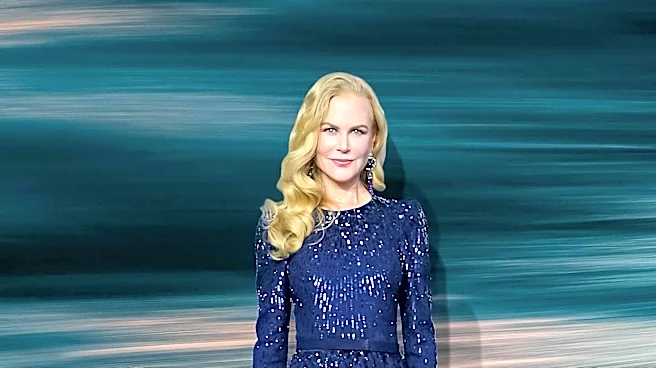
At Paris Fashion Week Spring/Summer 2027, Tom Ford presented a collection characterized by sleek, dark, and sexy designs. The runway featured perfectly tailored suits and gowns that emphasized the body.
This presentation was part of a larger event that included 68 runway shows and 33 presentations, aiming to redefine the fashion industry. The season highlighted how luxury houses maintained their identity amidst leadership changes, incorporated climate-conscious designs, and allowed designers to express their stances through their collections. Other notable brands like Chanel, Dior, Saint Laurent, and Victoria Beckham also showcased their latest creations, contributing to the diverse aesthetic of the week. The event took place against a backdrop of extreme temperatures in France, influencing a prevalence of light fabrics in many collections.
Why It's Important?
Tom Ford's continued presence and distinct aesthetic at Paris Fashion Week reinforce the brand's influence in the global luxury fashion market. The emphasis on tailored, body-conscious designs signals a potential trend direction for high-end fashion, influencing consumer preferences and retail strategies. For the U.S. fashion industry, these trends often translate into future collections from American designers and retailers, impacting manufacturing, marketing, and sales. The broader context of Paris Fashion Week, with its focus on designer identity and climate-conscious designs, reflects evolving consumer values and industry priorities. This shift can encourage U.S. brands to adopt more sustainable practices and to consider how their collections communicate broader cultural and social messages, affecting their market positioning and brand perception.
What's Next?
Following the Paris Fashion Week Spring/Summer 2027 showcase, the trends and styles presented by designers like Tom Ford are likely to influence upcoming fashion seasons globally. Retail buyers and fashion editors will analyze these collections to inform their purchasing decisions and editorial content for the coming year. Consumers can expect to see interpretations of these runway trends, particularly the sleek tailoring and body-conscious silhouettes, appearing in both high-end boutiques and mainstream retail outlets. The broader industry conversation around climate-conscious design and designer expression is also expected to continue, potentially leading to more sustainable practices and socially aware collections from U.S. fashion brands in the near future. Designers will begin preparing for subsequent fashion weeks, building upon the themes and innovations introduced in Paris.
Beyond the Headlines
Tom Ford's consistent aesthetic of sleek sophistication at Paris Fashion Week underscores a deeper cultural appreciation for classic tailoring and sensual design in luxury fashion. In an era where fashion often leans towards avant-garde or casual styles, Ford's collection reaffirms the enduring appeal of meticulously crafted garments that celebrate the human form. This approach can influence broader perceptions of elegance and power dressing, potentially shifting consumer desires towards more refined and enduring pieces rather than fast-fashion trends. Furthermore, the collective narrative of Paris Fashion Week, where designers express their identities and values, highlights fashion's role as a significant cultural barometer. It demonstrates how clothing transcends mere utility to become a medium for artistic expression, social commentary, and personal identity, reflecting and shaping societal norms and aspirations.