







What's Happening?
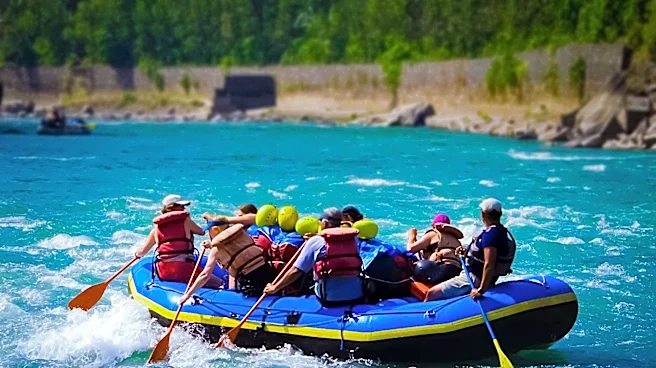
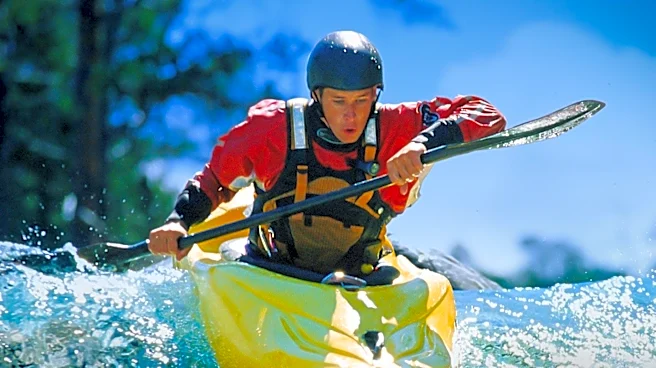
Arkansas is promoting its diverse whitewater kayaking opportunities, catering to both experienced paddlers and beginners. The state features a range of rivers, from challenging Class IV rapids to more relaxed, family-friendly floats. The Cossatot River,
located within Cossatot River State Park–Natural Area, is highlighted as the premier whitewater destination, offering technical challenges like Cossatot Falls with its Class IV rapids during peak flow. Other notable rivers include the Mulberry River in the Ozark National Forest, known for its scenic Class II rapids, and Big Piney Creek, a Class II stream. Richland Creek provides a varied experience with an advanced Class IV upper section and a more accessible Class III lower stretch. The state emphasizes checking river levels and conditions before any outing and paddling safely.
Why It's Important?
The promotion of Arkansas's whitewater kayaking scene is significant for the state's tourism and outdoor recreation industries. By offering a spectrum of experiences, from extreme sports to leisurely family activities, Arkansas can attract a broader demographic of visitors, boosting local economies in areas surrounding these rivers and parks. This initiative also highlights the natural beauty and recreational potential of Arkansas, positioning it as a key destination for outdoor enthusiasts. The availability of various difficulty levels ensures that more people can engage with the sport, potentially increasing participation in kayaking and related outdoor activities, which can have positive impacts on public health and appreciation for natural environments.
What's Next?
As Arkansas continues to promote its whitewater kayaking offerings, it is likely to see an increase in visitors to its state parks and natural areas. This could lead to further development of infrastructure supporting outdoor tourism, such as improved access points, campsites, and potentially more local outfitters offering rentals and guided tours. The emphasis on safety and checking river conditions suggests ongoing efforts to ensure responsible recreation. Local businesses in towns near these rivers may experience a boost in revenue from increased tourism, leading to potential job creation and economic growth in those regions. Continued marketing efforts will likely focus on showcasing the unique features of each river to attract specific segments of the kayaking community.
Beyond the Headlines
The development of Arkansas as a whitewater kayaking destination also touches upon broader themes of environmental conservation and sustainable tourism. As more people visit these natural areas, there will be an increased need for responsible management to protect the delicate ecosystems of the rivers and surrounding forests. This could involve educational programs for paddlers on Leave No Trace principles, stricter regulations on waste disposal, and ongoing monitoring of river health. The balance between promoting tourism and preserving natural resources will be a critical aspect of the state's long-term strategy. Furthermore, the accessibility of different river difficulties could foster a new generation of outdoor enthusiasts, potentially leading to greater advocacy for environmental protection in the future.