




What's Happening?
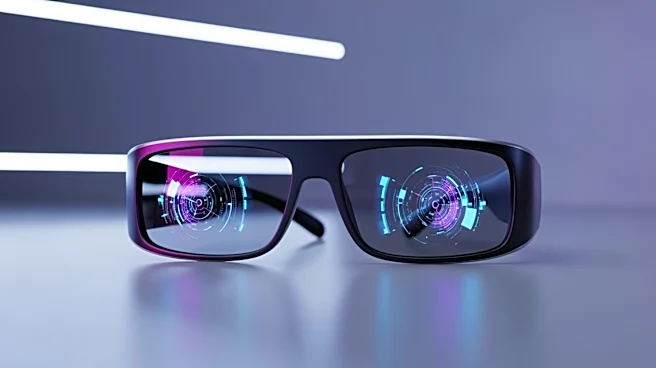
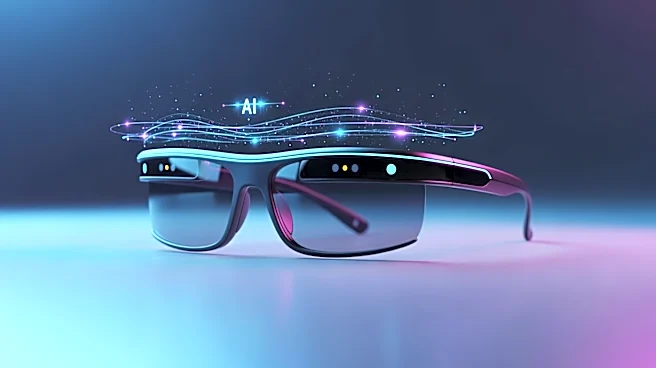
Snap is set to release its new augmented reality glasses, known as 'Specs', to the public this fall. These glasses are described as a 'wearable computer built into see-through augmented reality glasses' and will be priced at $2,195. Preorders are currently
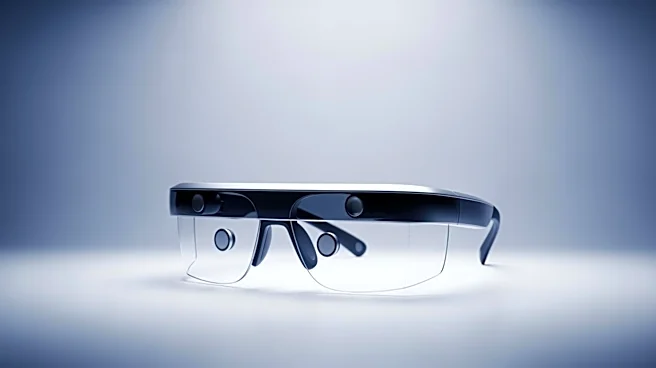
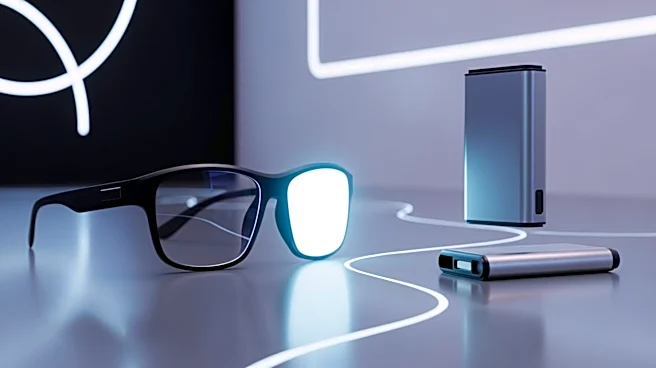
available with a $200 refundable deposit. The Specs are designed to be fully standalone, without the need for a tether or external battery pack, and will be available in two sizes. They feature visible light and infrared cameras, and a proprietary display system that offers a 51-degree field of view. The glasses are powered by two Snapdragon processors, enabling fast hand tracking and low latency interactions. Snap's CEO, Evan Spiegel, highlighted the company's commitment to AR technology, noting that the Specs are a significant step forward from their original Spectacles launched in 2016.
Why It's Important?
The launch of Snap's Specs represents a significant advancement in consumer augmented reality technology. By offering a standalone AR device, Snap is positioning itself as a leader in the AR market, potentially setting a new standard for wearable technology. The high price point suggests a focus on premium features and performance, which could appeal to tech enthusiasts and early adopters. This move could influence other tech companies to accelerate their own AR developments, potentially leading to increased competition and innovation in the sector. Additionally, the Specs' ability to integrate with other devices and provide immersive experiences could have implications for various industries, including gaming, education, and remote work.
What's Next?
As Snap prepares to ship the Specs this fall, the market will be watching closely to see how consumers respond to the high price and advanced features. The success of the Specs could encourage other companies to invest more heavily in AR technology, potentially leading to a wider adoption of AR glasses in everyday life. Snap's approach to privacy and data security will also be scrutinized, as concerns about smart glasses and personal data continue to grow. The company's ability to address these concerns could impact the overall acceptance and success of the Specs.