




What's Happening?
Woody Johnson, owner of the New York Jets, is under increasing scrutiny as the team continues a significant period without a winning record since 2015 and has not reached the playoffs since 2010. This comes as former NFL quarterback Tom Brady, now a part-owner
of the Las Vegas Raiders, is set to face the Jets. Brady's Raiders hold a 5% stake, and he has reportedly gained significant influence with majority owner Mark Davis. The Jets' current struggles are highlighted by their 2-5 record, with fans expressing discontent and the team recently losing to a previously winless Dolphins squad. The comparison to Brady's success, even in retirement, further emphasizes the Jets' ongoing challenges under Johnson's ownership.
Why It's Important?
The prolonged underperformance of the New York Jets under Woody Johnson's ownership has significant implications for the team's brand, fan engagement, and financial health. A lack of competitive success can lead to decreased ticket sales, merchandise revenue, and overall fan loyalty, impacting the team's market value and the NFL's broader appeal in a major market like New York. The comparison to Tom Brady, a figure synonymous with winning, now entering team ownership, intensifies the pressure on Johnson. This situation could influence future ownership strategies across the league, particularly regarding the balance between long-term stability and immediate competitive results. For the Jets, continued struggles could necessitate significant organizational changes to regain fan trust and competitive relevance.
What's Next?
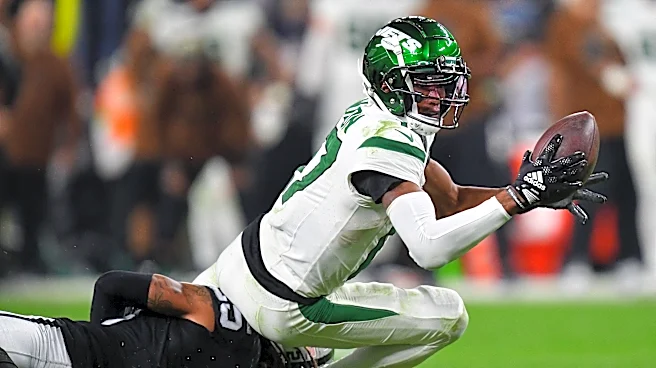
The immediate future for the New York Jets involves their upcoming game against the Las Vegas Raiders, a contest that will further highlight the team's current state. The outcome of this game, particularly against a team partly owned by Tom Brady, could intensify calls for changes within the Jets organization. While no specific actions have been announced, continued poor performance could lead to significant decisions regarding coaching staff and front office personnel. The ongoing fan dissatisfaction and media scrutiny will likely maintain pressure on Woody Johnson to address the team's long-standing issues and potentially implement strategic shifts to improve the team's competitive standing.
Beyond the Headlines
The situation with the New York Jets and Woody Johnson extends beyond mere win-loss records, touching upon the psychological impact of sustained failure on a sports franchise and its fan base. The narrative of Tom Brady, a long-time 'nemesis' of the Jets, now potentially outperforming Johnson as an owner, adds a layer of historical irony and emotional weight. This dynamic highlights the cultural significance of sports ownership and the deep connection fans have with their teams. It also underscores the challenge of maintaining a competitive edge in a league designed for parity, and how ownership decisions can profoundly shape a team's identity and legacy over decades.